Best Bicycle for 2-Year-Old Kids: Size and Fit Guide
Best bicycle for 2-year-old kids: At two, readiness and the ability to put both feet down matter more than owning a pedal bike. Age is only a starting point; measure height and inseam, then confirm stand-over clearance, handlebar reach and braking control on the exact bicycle.
For most 2-year-olds, choose no bike by age alone: measure height and inseam, then accept a bike only if the child can stand over, reach, steer and brake comfortably.
The short answer on wheel size
In the supplied XJD Bikes size standard, the smallest starting point is a 12-inch bike for ages 3–4 and heights 34–40 inches (86–102 cm). That does not automatically make a 12-inch bike suitable for a 2-year-old. It means many children this age may be below the listed range or may not yet have the reach, control or confidence required.
If your child is shorter than 34 inches (86 cm), do not treat a listed 12-inch model as an equivalent fit. If the child falls within the height range, a hands-on fit check is still essential. Never move up to 14 inches merely to leave growing room.
Measure before comparing bikes
- Standing height: Measure the child without shoes, standing straight against a wall. Compare the result with the wheel-size height range rather than relying on the second birthday.
- Inseam: With feet slightly apart, measure from the floor to the crotch. Use this measurement during the stand-over and seat-position checks; a wheel label alone cannot confirm clearance.
- Reach: On the actual bicycle, check whether the child can hold the handlebar without stretching, locking the elbows or leaning excessively forward.
- Control: Confirm that the child can steer deliberately and operate the fitted brakes from a normal riding position. Brake type and adjustment must be checked on the exact bicycle.
Age-relevant XJD bicycles to compare
The following one current options are included as fit examples, not automatic recommendations. At two, readiness and the ability to put both feet down matter more than owning a pedal bike.
Age-two fit note: the current XJD pedal-bike catalog starts its stated fit guidance at age three. A balance bike may be the better first step when a child cannot put both feet down, steer and stop comfortably. The product below is not presented as a confirmed age-two fit.
XJD Boys & Grils Bike white
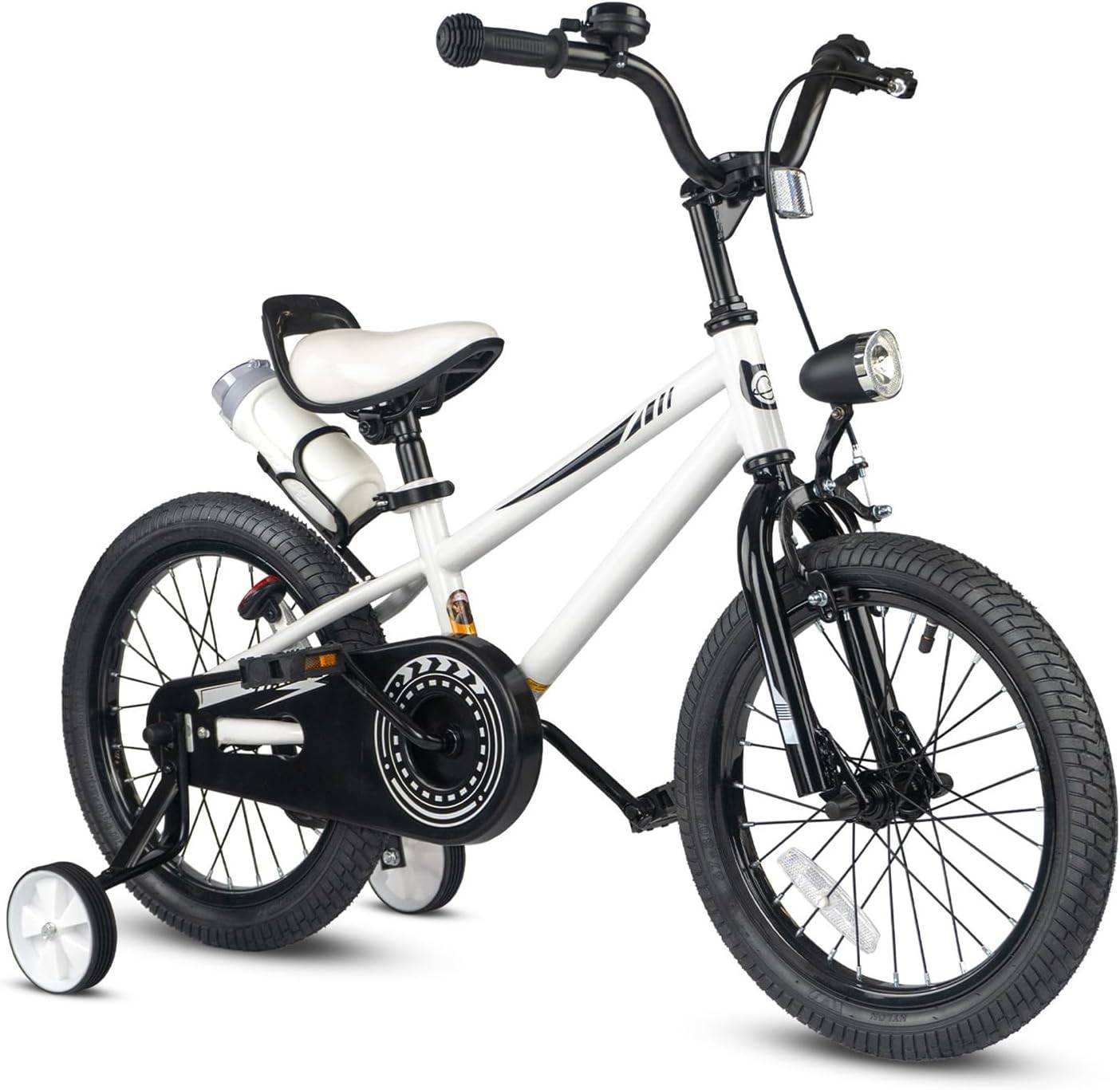
Its smallest listed option is 12-inch, but XJD does not confirm this model for age two. Treat it only as a future-fit comparison after measuring the child and checking readiness in person.
For a wider comparison, use the bicycle guide for 2-year-olds together with the full kids’ bicycles collection. Those pages help compare sizes; the child’s measurements still control the final decision.
How the two supplied products compare
XJD Girls Bike with Training Wheels & Basket – Light Purple is listed in 12 Inch, 14 Inch and 16 Inch. XJD Girls Bike with Training Wheels & Basket – Light Pink is listed in those same three sizes plus 20 Inch. For this specific age-and-fit decision, their shared 12-inch option is the nearest useful comparison point.
The pink model’s additional 20-inch label does not make it more suitable for a 2-year-old. Under the supplied standard, 20 Inch starts at ages 7–12 and heights 48–60 inches (122–152 cm). Color and basket wording are catalog distinctions, not evidence of better fit. Neither product should be chosen until the child tries the exact size.
Perform the in-person fit check
- Have the child straddle the bicycle and confirm there is comfortable stand-over space rather than frame contact.
- Seat the child in a normal riding position. Check that the handlebar is reachable while the body remains balanced and relaxed.
- Ask the child to steer both directions while an adult stabilizes the bike. The movement should be controlled, not a full-body struggle.
- Confirm the child can reach and operate the fitted braking controls. Do not assume that training wheels reduce the need for braking ability.
- Consider current confidence: a child who freezes, cannot follow simple stop instructions or cannot maintain a stable position is not ready for that setup.
Do not buy an oversized bicycle for future growth. For assembly, adjustment, compatibility, maintenance or torque requirements, follow the manual for the exact product or ask a qualified bicycle mechanic; those details cannot be inferred from the size label.
Safety and the final decision
Use a bicycle helmet that fits properly, sits level and has straps adjusted according to its manufacturer’s instructions. Choose a controlled riding area and provide close adult supervision, but remember that equipment and supervision cannot rescue a fundamentally poor bicycle fit.
For your 2-year-old, proceed with a supplied 12-inch model only if measured height is 34–40 inches (86–102 cm) and the child passes the stand-over, reach, steering, brake-control and confidence checks. If any check fails—or height is below the range—wait and remeasure instead of substituting a larger listed size.
Recommended products
-
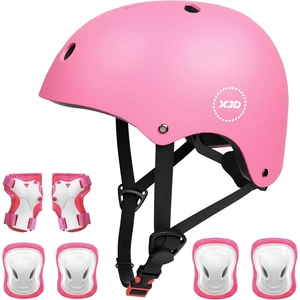
XJD Kids Bike Helmet & Protective Gear Set – Pink
XJD Kids Bike Helmet & Protective Gear Set – Pink makes helmet selection cle…
Bike Helmets S -
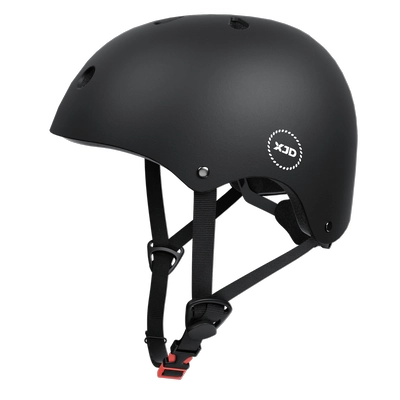
XJD Kids Bike Helmet Protective Gear Set
XJD Kids Bike Helmet Protective Gear Set makes helmet selection clearer: measure…
Bike Helmets Blue / L:21.65"-22.83" / 55-58 cm -
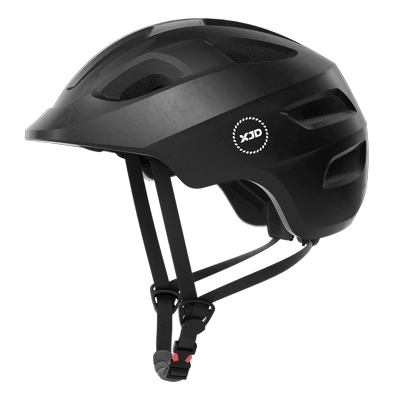
XJD Kids Bike Helmet Black
7 reviews 7 sold
XJD Kids Bike Helmet Black makes helmet selection clearer: measure first, then c…
Bike Helmets Purple / S:18.11"-20.08" / 46-51 cm -
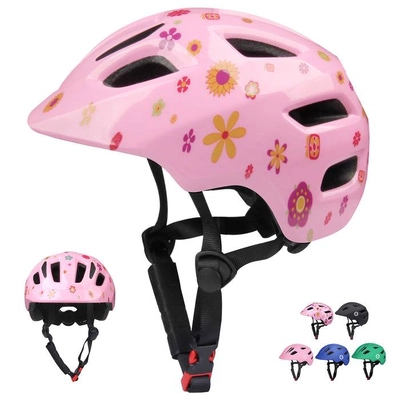
XJD Kids Bike Helmet Pink Flower
7 reviews 3 sold
XJD Kids Bike Helmet Pink Flower makes helmet selection clearer: measure first, …
Bike Helmets S:18.11"-20.08" / 46-51 cm