Best Bicycle for 3-Year-Old Kids: Size and Fit Guide
Best bicycle for 3-year-old kids: For a new rider, favor easy starts, low stand-over height and controls that small hands can reach. Age is only a starting point; measure height and inseam, then confirm stand-over clearance, handlebar reach and braking control on the exact bicycle.
For most 3-year-olds, start by comparing 12-inch and 14-inch bikes, then choose only after checking height, inseam, stand-over clearance, reach, brake control and confidence.
Which wheel size should you check first?
Use age only to identify sizes worth trying. In the XJD Bikes starting points, a 12-inch bike covers ages 3–4 and rider heights of 34–40 in (86–102 cm). A 14-inch bike covers ages 3–6 and heights of 37–45 in (94–114 cm). The overlapping height range means some 3-year-olds may fit either size, but the two sizes are not interchangeable.
| Wheel size | Starting age | Rider height | What to do |
|---|---|---|---|
| 12 Inch | 3–4 | 34–40 in / 86–102 cm | Try first for a smaller or less-confident rider. |
| 14 Inch | 3–6 | 37–45 in / 94–114 cm | Compare when the child is tall enough and can control it comfortably. |
Do not move up simply because a child is nearly four or because a larger bicycle may last longer. A bike that is oversized today can make starting, stopping and steering harder. Measured fit and present control matter more than anticipated growth.
Measure your child before comparing bikes
Measure height without shoes, with the child standing straight against a wall. Then measure inseam from the floor to the crotch while the child stands naturally. Record both measurements in inches or centimeters so you can compare them consistently.
Height helps narrow the wheel-size range, while inseam helps evaluate whether the child can stand over the bicycle comfortably. Wheel size alone does not establish stand-over clearance because bicycle frames can differ. The decisive check must be made on the assembled bicycle the child will ride.
- Use measured height to shortlist 12-inch or 14-inch options.
- Compare the child’s inseam with the bicycle’s actual stand-over position.
- Have the child sit, hold the grips and reach every required control.
- Confirm that starting, stopping, turning and getting off look controlled rather than strained.
Perform the fit check in person
Have the child try the bicycle, following the American Academy of Pediatrics guidance not to buy an oversized bike merely for growth. With the child standing over it, check that the frame does not prevent a comfortable, stable stance. Follow the exact product manual for the intended riding position and permitted adjustments.
Next, watch the upper body. The child should be able to hold the grips and steer without stretching excessively, locking the elbows or losing a centered position. Confirm that the child can operate the bicycle’s braking controls reliably. Do not assume small hands can reach or apply a control just because the age range appears suitable.
Confidence is part of fit. A child who freezes, tips during stops or cannot turn predictably may need a smaller or more manageable setup even when height falls inside an overlapping range. Conversely, being tall enough for a 14-inch starting range does not prove that its reach, stand-over position or controls fit that child.
Age-relevant XJD bicycles to compare
The following two current options are included as fit examples, not automatic recommendations. For a new rider, favor easy starts, low stand-over height and controls that small hands can reach.
XJD Boys & Grils Bike white
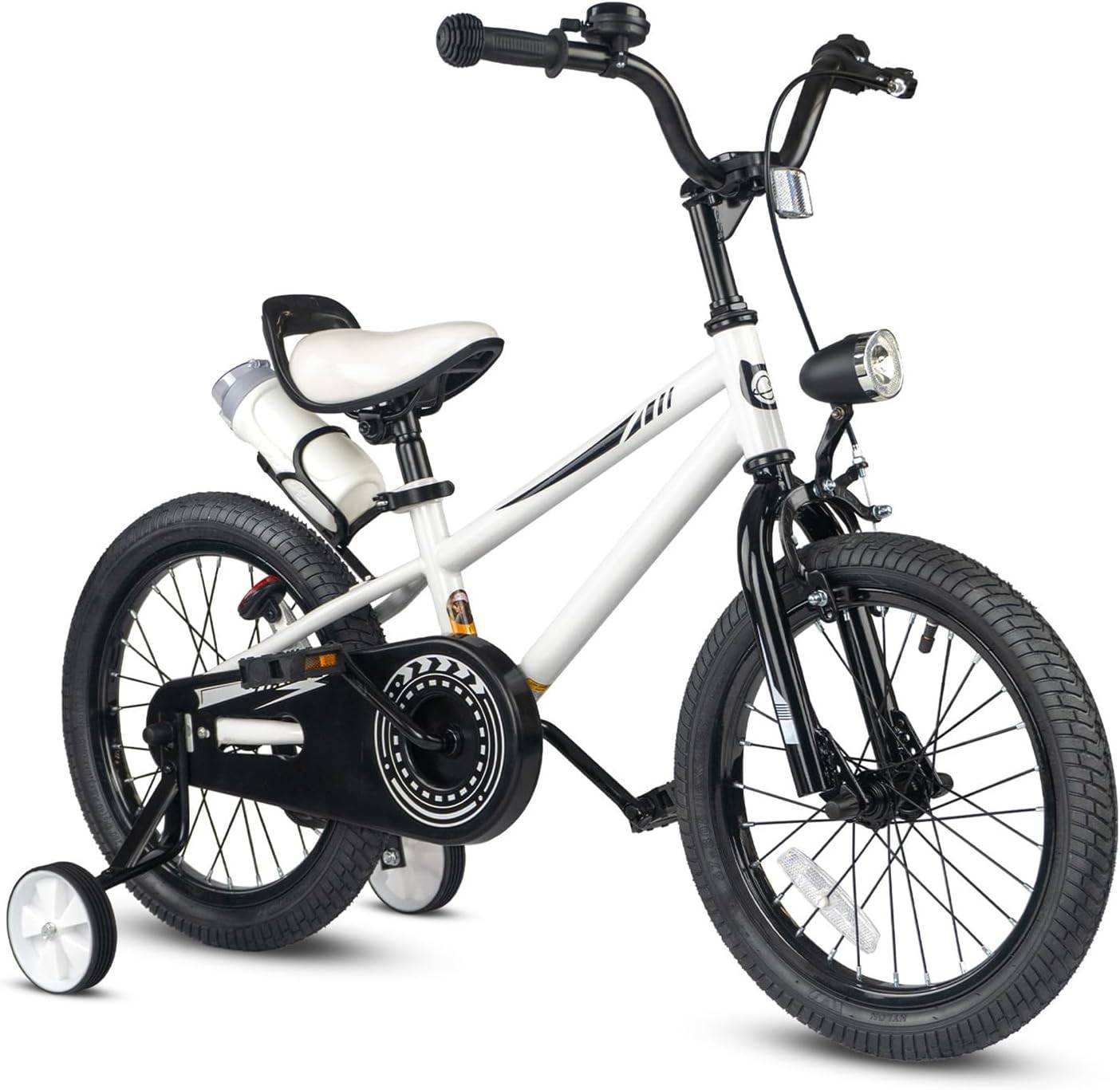
This is a neutral-color beginner bicycle offered in three sizes. The live catalog lists 12-inch, 14-inch, 16-inch wheel choices and an age range that includes 3; select the exact size from height, inseam, brake reach and a hands-on control check.
XJD Kids BMX Bike with Training Wheels – Black
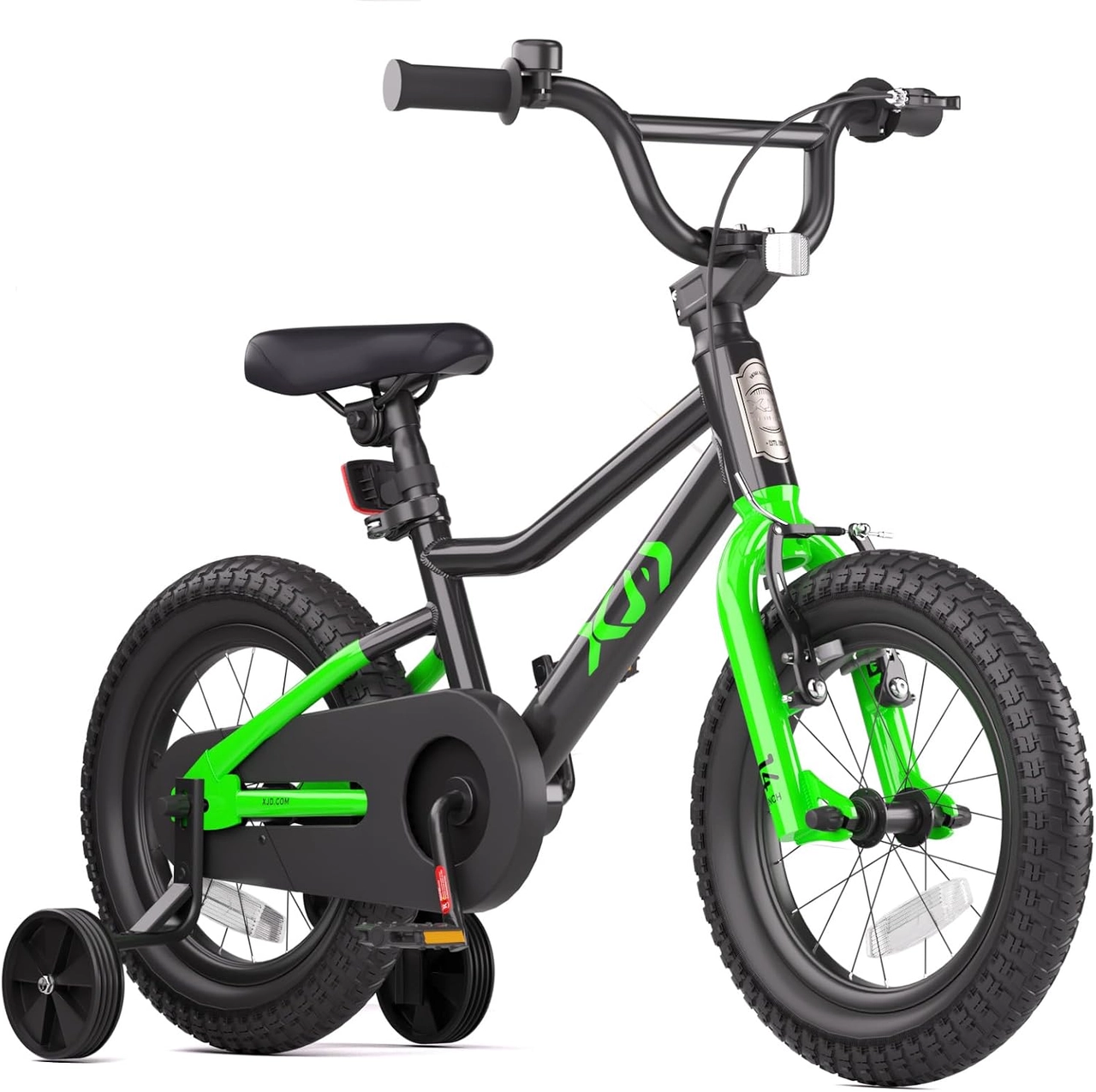
This is a black BMX-style option for early pedal practice. The live catalog lists 12-inch, 14-inch, 16-inch wheel choices and an age range that includes 3; select the exact size from height, inseam, brake reach and a hands-on control check.
For a wider comparison, use the bicycle guide for 3-year-olds together with the full kids’ bicycles collection. Those pages help compare sizes; the child’s measurements still control the final decision.
Safety and the final decision
A properly fitting bicycle helmet is required for the riding setup. Following U.S. Consumer Product Safety Commission guidance, choose a helmet that fits properly, sits level and has straps adjusted according to the helmet manufacturer’s instructions. A helmet cannot correct a bicycle that is too large or difficult to control.
Choose the 12-inch variant when the child is within its 34–40 in (86–102 cm) starting range and it provides the better stand-over position, reach and control. Compare the 14-inch variant when the child is at least 37 in (94 cm) tall, but select it only if the same checks are comfortably passed. If neither size permits stable standing, easy steering and reliable braking, buy neither yet: recheck measurements, adjustment instructions and fit with a qualified bicycle mechanic.
Recommended products
-
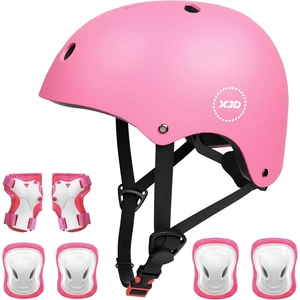
XJD Kids Bike Helmet & Protective Gear Set – Pink
XJD Kids Bike Helmet & Protective Gear Set – Pink makes helmet selection cle…
Bike Helmets S -
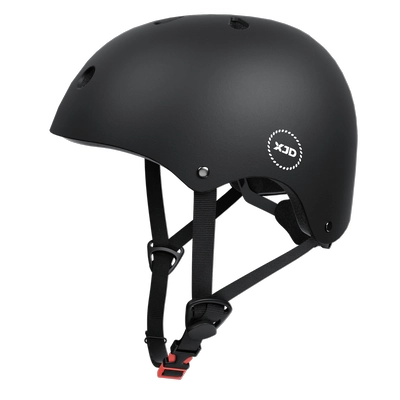
XJD Kids Bike Helmet Protective Gear Set
XJD Kids Bike Helmet Protective Gear Set makes helmet selection clearer: measure…
Bike Helmets Blue / L:21.65"-22.83" / 55-58 cm -
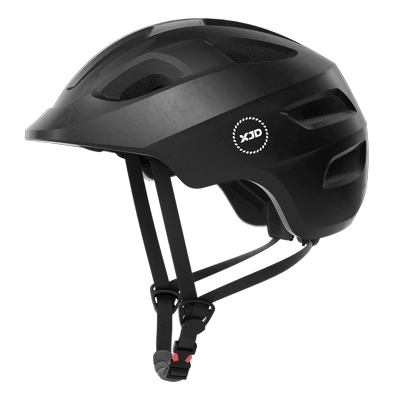
XJD Kids Bike Helmet Black
7 reviews 7 sold
XJD Kids Bike Helmet Black makes helmet selection clearer: measure first, then c…
Bike Helmets Purple / S:18.11"-20.08" / 46-51 cm -
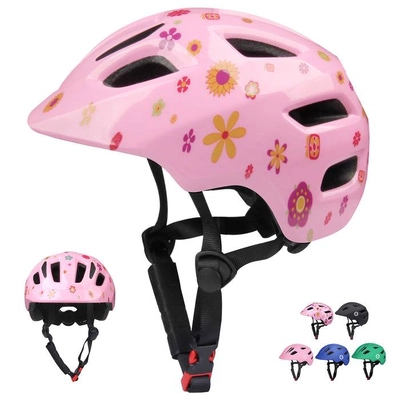
XJD Kids Bike Helmet Pink Flower
7 reviews 3 sold
XJD Kids Bike Helmet Pink Flower makes helmet selection clearer: measure first, …
Bike Helmets S:18.11"-20.08" / 46-51 cm