Best Bicycle for 4-Year-Old Kids: Size and Fit Guide
Best bicycle for 4-year-old kids: For a new rider, favor easy starts, low stand-over height and controls that small hands can reach. Age is only a starting point; measure height and inseam, then confirm stand-over clearance, handlebar reach and braking control on the exact bicycle.
Most 4-year-olds should start by comparing 12-, 14-, and 16-inch bikes, then choose by measured height and an in-person fit—not age alone.
Which wheel size should you compare?
Measure your child’s standing height without shoes and use it to narrow the options. At age four, the XJD starting ranges overlap, so age cannot identify one correct size.
| Wheel size | XJD age starting point | Rider-height starting point |
|---|---|---|
| 12 Inch | Ages 3–4 | 34–40 in / 86–102 cm |
| 14 Inch | Ages 3–6 | 37–45 in / 94–114 cm |
| 16 Inch | Ages 4–7 | 40–48 in / 102–122 cm |
A child under 40 inches may fall within the 12- and 14-inch ranges. At exactly 40 inches, all three ranges meet. A taller four-year-old may begin with 14- and 16-inch candidates. These overlaps mean you should compare actual fit, reach, brake control, and confidence before deciding.
Measure height and inseam correctly
- Height: Have your child stand straight against a wall without shoes. Mark the top of the head and measure from the floor.
- Inseam: With feet slightly apart, place a firm, thin book between the legs and raise it gently to simulate a saddle. Measure from the floor to the book’s top edge.
- Record both: Bring the measurements when comparing bikes. Height selects likely wheel sizes; inseam helps you evaluate clearance and starting position on the particular frame.
Do not infer fit from clothing size or from age wording. Frame shapes and adjustment ranges can differ even when wheel labels match, so measurements begin the decision rather than finish it.
Perform the fit check on the actual bike
Have your child try each candidate. The American Academy of Pediatrics advises against buying an oversized bicycle simply for future growth. Look for usable control now.
- Stand-over: With the child straddling the frame and feet on the ground, confirm comfortable clearance rather than contact or a forced tiptoe stance.
- Starting and stopping: The rider should mount, begin moving, stop, and put a foot down without panic or awkward stretching.
- Reach: Seated normally, the child should reach the handlebar without locking the elbows, leaning excessively, or losing a stable posture.
- Brake control: If the bike has hand controls, confirm the child can reach and operate them reliably. Never assume that a wheel-size match guarantees usable brake reach.
- Confidence: Choose the size the child can steer and control calmly today. A theoretically longer-lasting bike is not a better fit if it reduces control.
Age-relevant XJD bicycles to compare
The following two current options are included as fit examples, not automatic recommendations. For a new rider, favor easy starts, low stand-over height and controls that small hands can reach.
XJD Boys & Grils Bike white
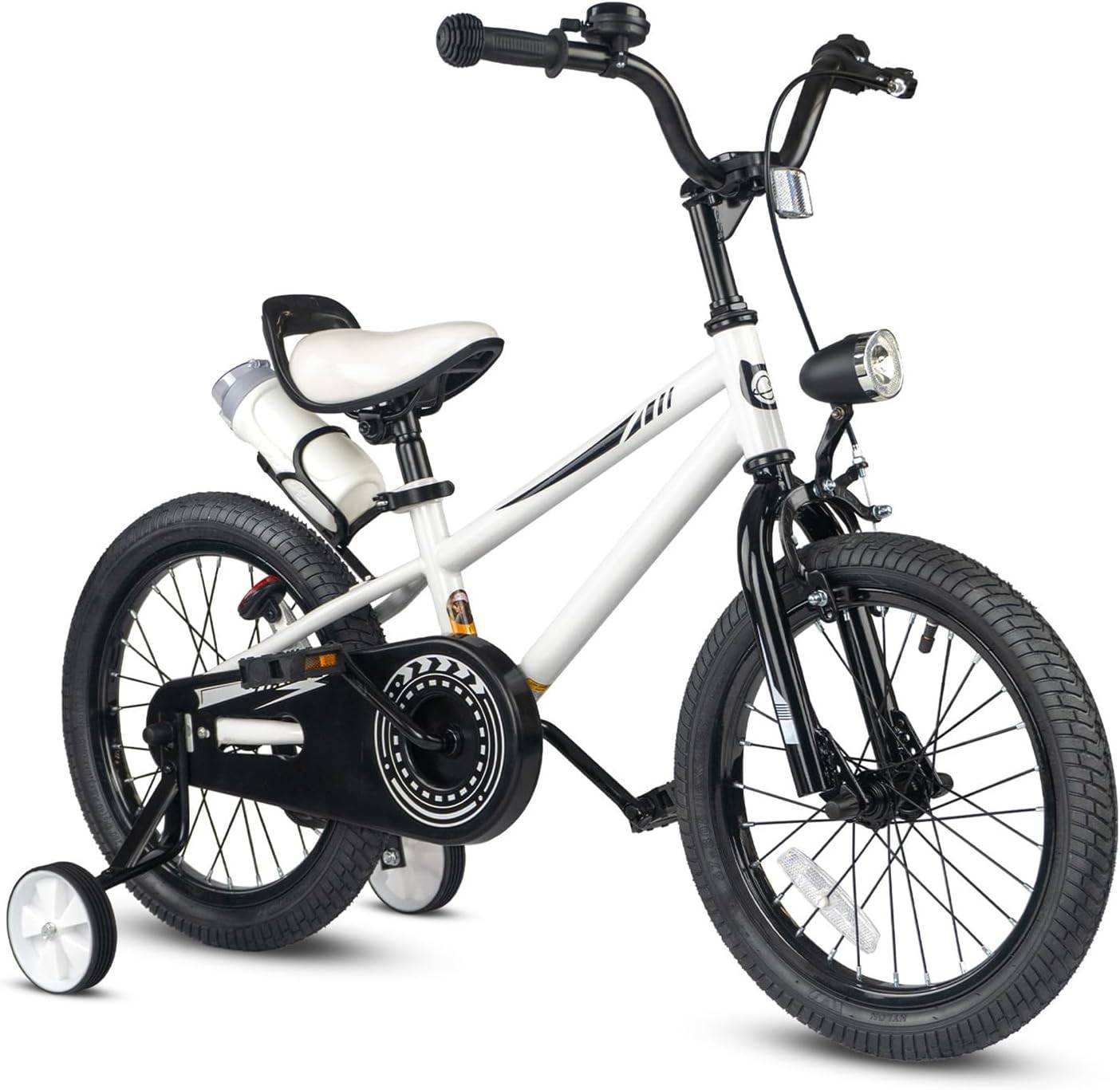
This is a neutral-color beginner bicycle offered in three sizes. The live catalog lists 12-inch, 14-inch, 16-inch wheel choices and an age range that includes 4; select the exact size from height, inseam, brake reach and a hands-on control check.
XJD Kids BMX Bike with Training Wheels – Black
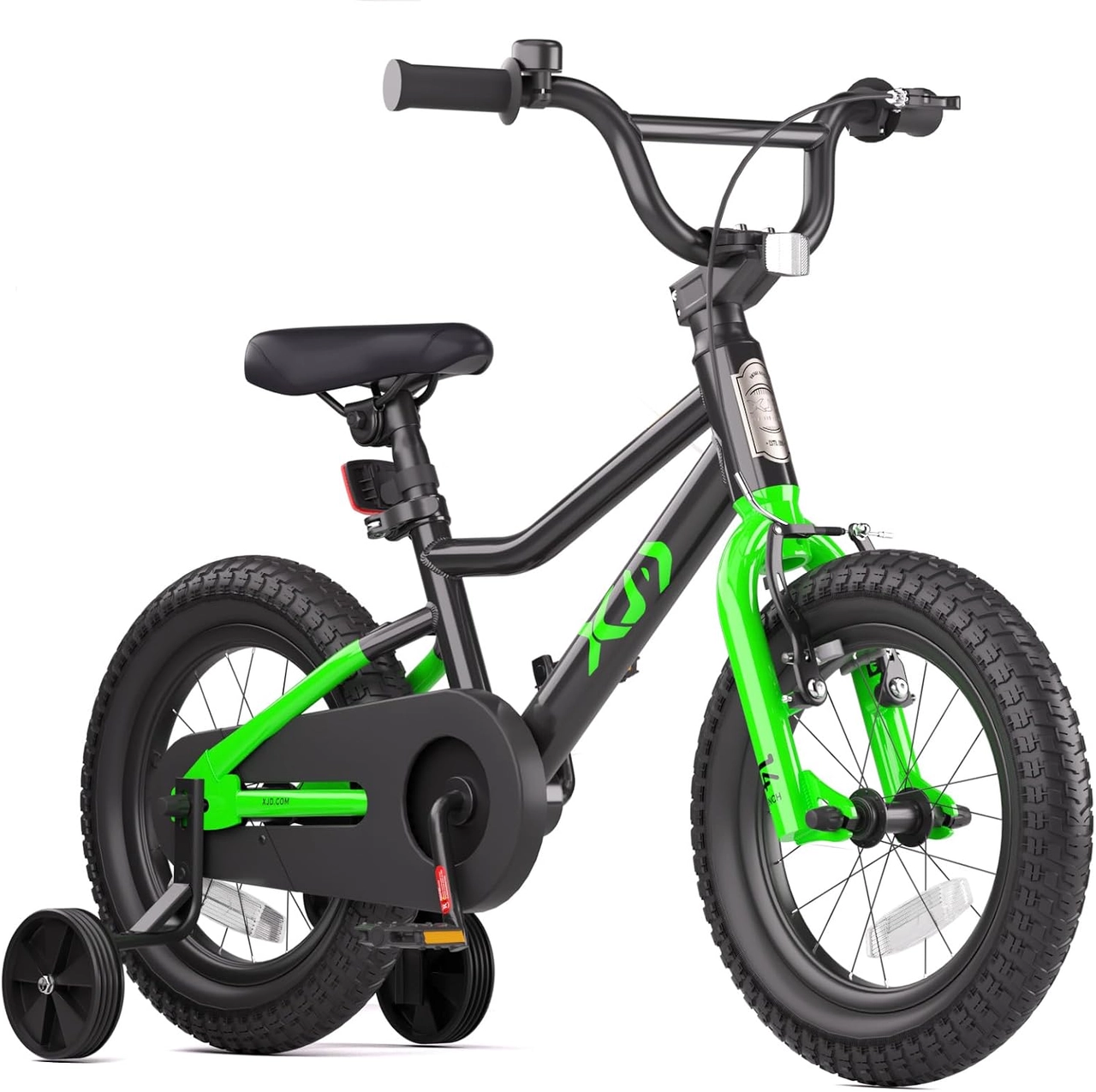
This is a black BMX-style option for early pedal practice. The live catalog lists 12-inch, 14-inch, 16-inch wheel choices and an age range that includes 4; select the exact size from height, inseam, brake reach and a hands-on control check.
For a wider comparison, use the bicycle guide for 4-year-olds together with the full kids’ bicycles collection. Those pages help compare sizes; the child’s measurements still control the final decision.
Reject a size when control is compromised
A bike is too large for the current rider if stand-over clearance, mounting, ground contact, steering reach, or brake operation is not comfortable and controlled. Move down to another candidate rather than expecting the child to grow into it.
A bike may be too small if the child cannot assume a workable riding position or appears cramped even after permitted adjustments. Do not improvise adjustment limits. Follow the exact product manual, and ask a qualified bicycle mechanic when setup, assembly, compatibility, maintenance, or adjustment limits are uncertain.
Complete the decision safely
Once one size clearly supports the best present-day control, verify assembly and permitted adjustments against that bike’s manual. Add a properly fitting bicycle helmet: U.S. Consumer Product Safety Commission guidance calls for the helmet to sit level and for its straps to be used according to the helmet manufacturer’s instructions.
Your next step: measure height and inseam, shortlist only the matching 12-, 14-, or 16-inch options, and let your four-year-old try them. Buy only the size that provides comfortable stand-over, reachable controls, reliable braking, and confident handling now.
Recommended products
-
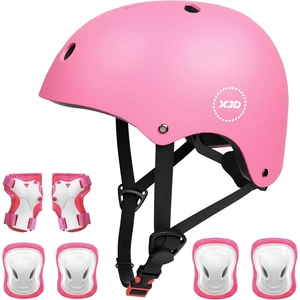
XJD Kids Bike Helmet & Protective Gear Set – Pink
XJD Kids Bike Helmet & Protective Gear Set – Pink makes helmet selection cle…
Bike Helmets S -
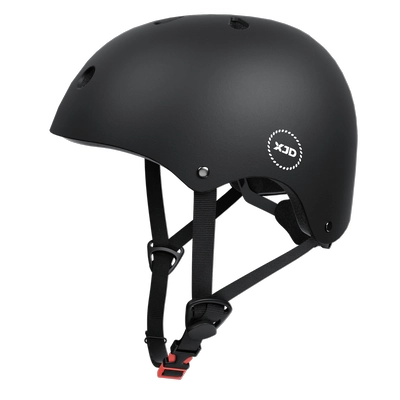
XJD Kids Bike Helmet Protective Gear Set
XJD Kids Bike Helmet Protective Gear Set makes helmet selection clearer: measure…
Bike Helmets Blue / L:21.65"-22.83" / 55-58 cm -
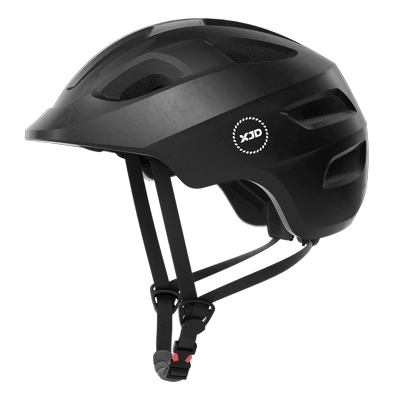
XJD Kids Bike Helmet Black
7 reviews 7 sold
XJD Kids Bike Helmet Black makes helmet selection clearer: measure first, then c…
Bike Helmets Purple / S:18.11"-20.08" / 46-51 cm -
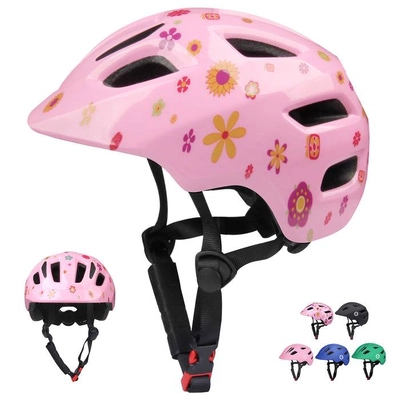
XJD Kids Bike Helmet Pink Flower
7 reviews 3 sold
XJD Kids Bike Helmet Pink Flower makes helmet selection clearer: measure first, …
Bike Helmets S:18.11"-20.08" / 46-51 cm