Best Bicycle for 9-Year-Old Boys: Size and Fit Guide
Best bicycle for 9-year-old boys: A 20-inch option is often the useful comparison, but height and inseam must settle the choice. Age is only a starting point; measure height and inseam, then confirm stand-over clearance, handlebar reach and braking control on the exact bicycle.
For most 9-year-old boys, start by comparing an 18-inch and 20-inch bike, then choose by measured height, inseam, reach, brake control, and confidence—not age alone.
Which wheel size should you check first?
Use the child’s current height as the first filter. Under the supplied XJD Bikes starting points, an 18-inch bike covers 43–52 inches (109–132 cm), while a 20-inch bike covers 48–60 inches (122–152 cm). That overlap matters: a 9-year-old near the boundary may need to try both.
| Wheel size | XJD starting age | Rider height | Relevance at age 9 |
|---|---|---|---|
| 18 Inch | Ages 5–9 | 43–52 in / 109–132 cm | Check for a shorter rider or one who benefits from easier control. |
| 20 Inch | Ages 7–12 | 48–60 in / 122–152 cm | Often the first comparison for a rider within this height band. |
| 24 Inch | Ages 10–14 | 54–64 in / 137–163 cm | Consider only when height and an actual fit check support it. |
| 26 Inch | Youth and adults | Over 60 in / 153 cm | Relevant only for a rider already above this height threshold. |
These ranges are starting points, not permission to size up. The right choice is the bike the child can mount, balance, steer, stop, and restart confidently now.
Measure height and inseam before shopping
Measure height without shoes, with the child standing straight against a wall. Record the result in inches or centimeters and compare it with the table.
Next, measure inseam. Have the child stand in socks with feet slightly apart. Place a firm, thin book between the legs, raise it gently to simulate saddle contact, and measure from the floor to the top edge. Keep this measurement available when checking the bicycle’s stand-over clearance and saddle adjustment.
Do not infer inseam from total height. Two children of the same height can have different leg and torso proportions, which can change stand-over comfort and handlebar reach.
Perform a real fit check
HealthyChildren guidance supports having the child try the bicycle and avoiding an oversized bike bought merely for growth. During the tryout, check the following:
- Stand-over: The child should be able to straddle the bicycle without the frame interfering with a comfortable, stable stance.
- Starting and stopping: Ask the rider to get on, push off, stop, and put a foot down without struggling or tipping.
- Reach: Hands should reach the grips naturally without an extreme forward stretch, locked elbows, or loss of steering control.
- Brake control: The child must be able to reach and operate the controls reliably while keeping command of the handlebar.
- Confidence: Hesitation caused by excessive size is meaningful. A size chart should not overrule visible difficulty controlling the bike.
If both 18-inch and 20-inch bicycles match the height range, compare them in person. Prefer the size that supports calm starts, controlled turns, dependable stops, and easy dismounts today.
Age-relevant XJD bicycles to compare
The following two current options are included as fit examples, not automatic recommendations. A 20-inch option is often the useful comparison, but height and inseam must settle the choice.
XJD Kids BMX Bike with Training Wheels – Blue
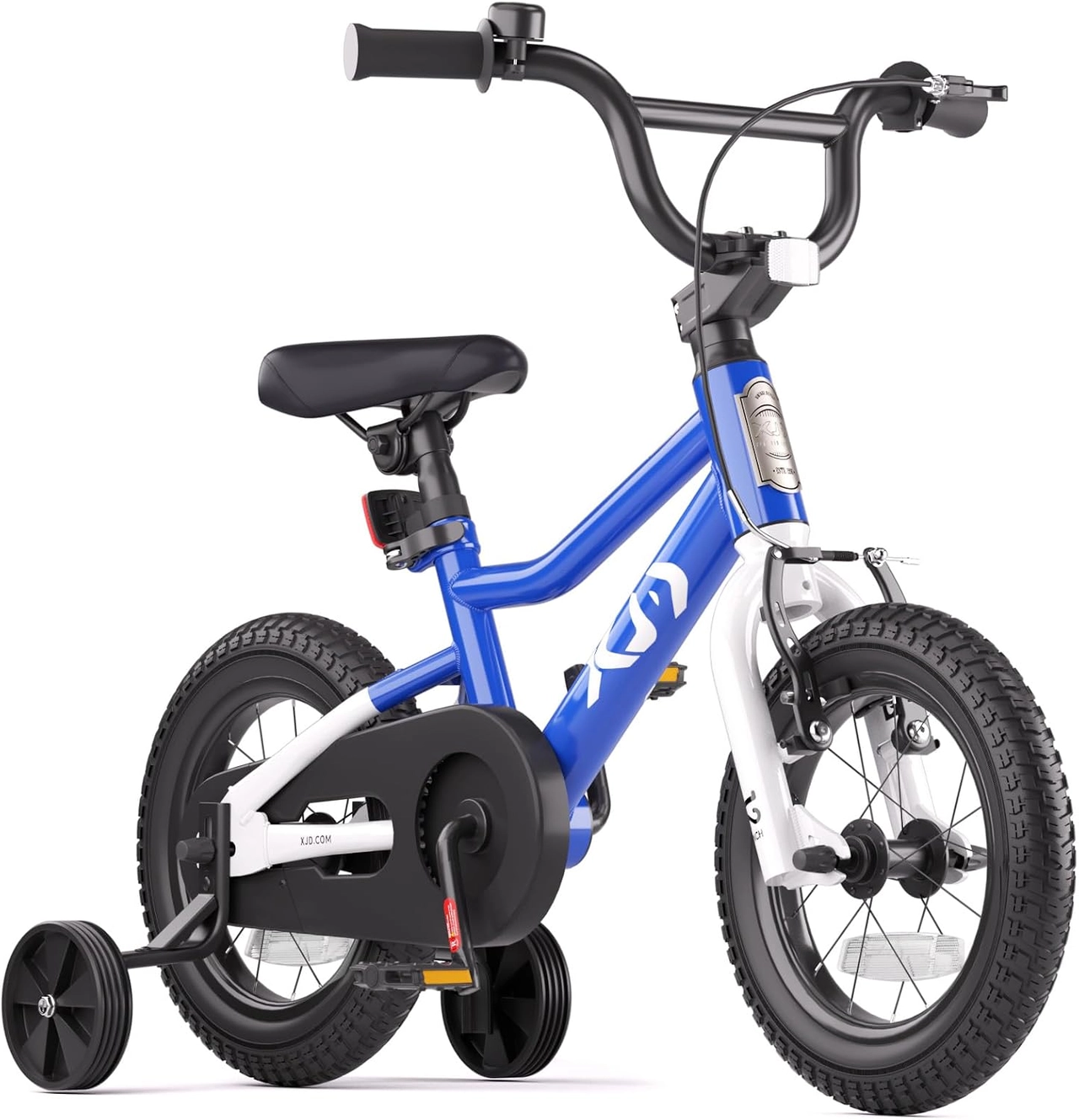
This is a BMX-style beginner bike with removable support wheels. The live catalog lists 12-inch, 14-inch, 16-inch wheel choices and an age range that includes 9; select the exact size from height, inseam, brake reach and a hands-on control check.
XJD 20-Inch Freestyle BMX Bike without Pegs – Blue
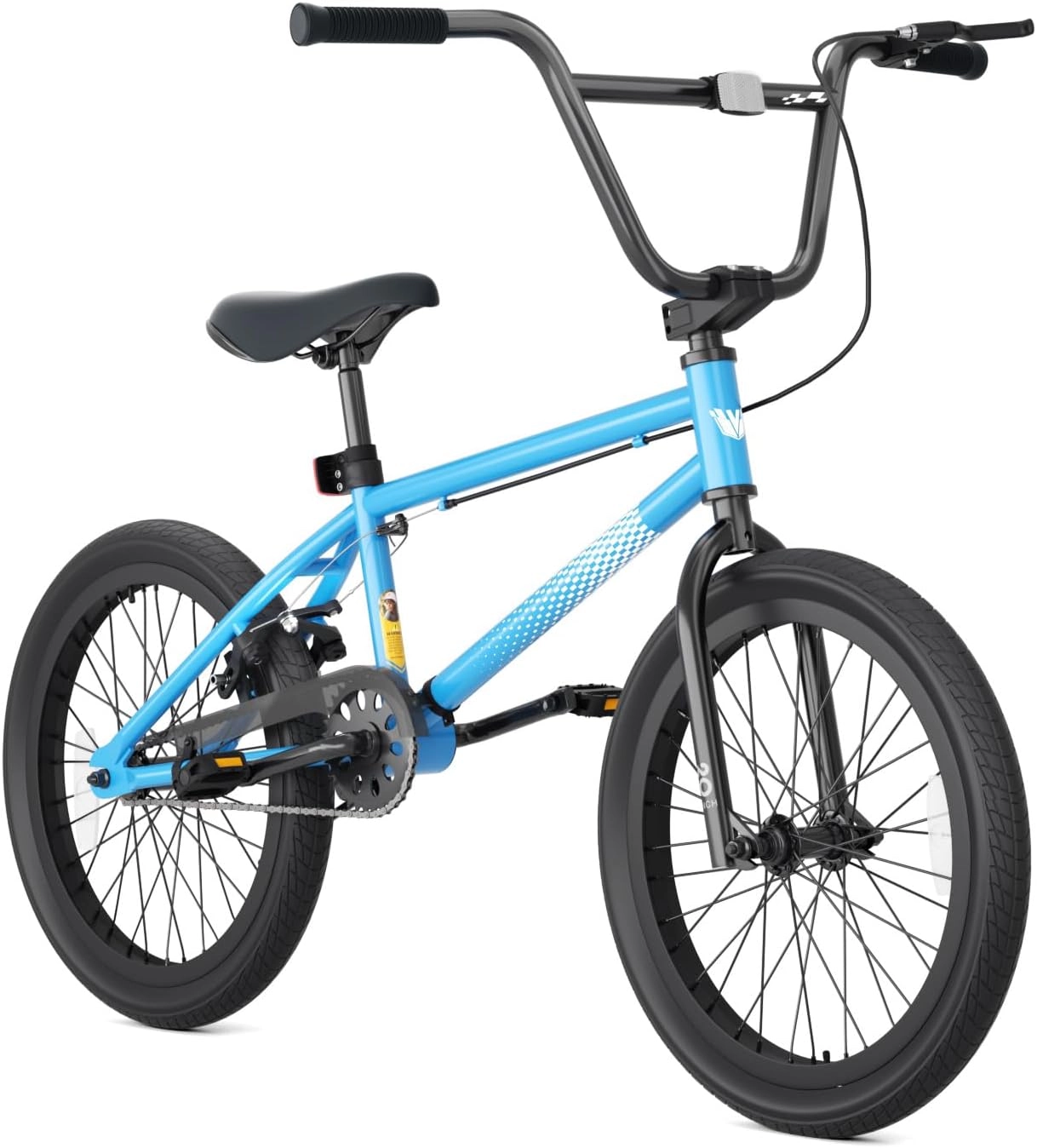
This is a 20-inch BMX option for riders who already pedal independently. The live catalog lists 20-inch wheel choices and an age range that includes 9; select the exact size from height, inseam, brake reach and a hands-on control check.
For a wider comparison, use the bicycle guide for 9-year-olds together with the full boys’ bicycles collection. Those pages help compare sizes; the child’s measurements still control the final decision.
Complete the safety and setup check
Choose a properly fitting bicycle helmet. U.S. Consumer Product Safety Commission guidance says it should sit level and its straps should be adjusted according to the helmet manufacturer’s instructions.
Before riding, follow the exact bicycle manual for assembly, adjustment, maintenance, compatibility, load limits, and torque requirements. If the manual is unavailable or any control cannot be adjusted confidently, use a qualified bicycle mechanic.
Make the final size decision
- Measure the child’s height and inseam.
- Use height to shortlist 18-inch, 20-inch, or—only when supported—24-inch.
- Have the child try each plausible size and compare stand-over, reach, braking, starts, stops, and turns.
- Reject any bike that fits only on the promise that the child will grow into it.
For a 9-year-old boy, choose the smallest shortlisted size that provides comfortable proportions and confident control now; if 18 and 20 inches overlap, let the actual ride check decide.
Recommended products
-
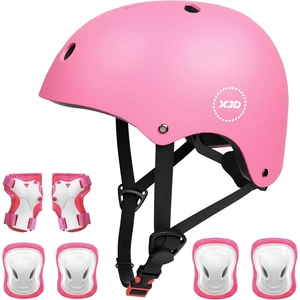
XJD Kids Bike Helmet & Protective Gear Set – Pink
XJD Kids Bike Helmet & Protective Gear Set – Pink makes helmet selection cle…
Bike Helmets S -
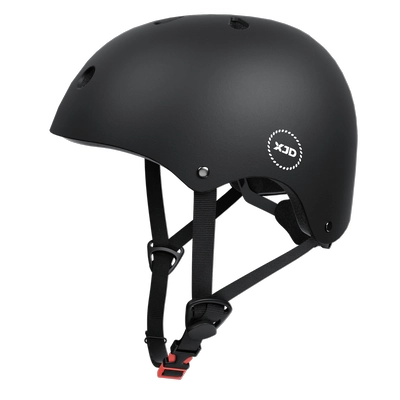
XJD Kids Bike Helmet Protective Gear Set
XJD Kids Bike Helmet Protective Gear Set makes helmet selection clearer: measure…
Bike Helmets Blue / L:21.65"-22.83" / 55-58 cm -
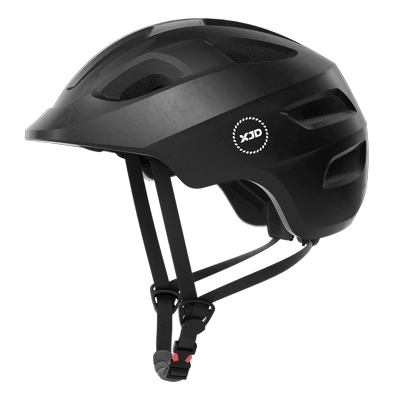
XJD Kids Bike Helmet Black
7 reviews 7 sold
XJD Kids Bike Helmet Black makes helmet selection clearer: measure first, then c…
Bike Helmets Purple / S:18.11"-20.08" / 46-51 cm -
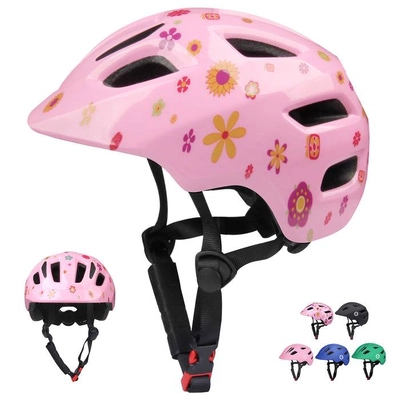
XJD Kids Bike Helmet Pink Flower
7 reviews 3 sold
XJD Kids Bike Helmet Pink Flower makes helmet selection clearer: measure first, …
Bike Helmets S:18.11"-20.08" / 46-51 cm