Best Bicycle for 9-Year-Old Girls: Size and Fit Guide
Best bicycle for 9-year-old girls: A 20-inch option is often the useful comparison, but height and inseam must settle the choice. Age is only a starting point; measure height and inseam, then confirm stand-over clearance, handlebar reach and braking control on the exact bicycle.
For most 9-year-old girls, start by comparing 18-inch and 20-inch bikes, then choose by measured height, inseam, reach, brake control and confidence.
The quickest size decision
Age narrows the search, but it does not determine fit. Under the XJD Bikes starting points, an 18-inch bike covers ages 5–9 and rider heights of 43–52 in (109–132 cm). A 20-inch bike covers ages 7–12 and heights of 48–60 in (122–152 cm). Many 9-year-olds therefore fall near the overlap, where an individual fit check matters most.
A rider measuring below 48 in (122 cm) may need to compare an 18-inch bike first. From 48–52 in (122–132 cm), compare both sizes rather than assuming the larger one is better. Above 52 in (132 cm), the 20-inch starting range is more relevant. A particularly tall child may approach the 24-inch height range of 54–64 in (137–163 cm), but that size begins at age 10 in the supplied standard and still requires a careful in-person fit check.
Measure before comparing bikes
- Height: Have the child stand without shoes against a wall, looking straight ahead. Measure from the floor to the top of the head.
- Inseam: With feet slightly apart, place a firm book between the legs as a saddle would sit. Measure from the floor to the top edge of the book.
- Current-bike clues: Note whether the child feels cramped, stretches for the controls, struggles to start or stop, or cannot handle the bike confidently.
Use height to select likely wheel sizes and inseam to judge stand-over clearance and saddle adjustment on the exact model. Wheel diameter alone does not reveal frame shape, seat range or reach, so two bikes with the same wheel label can fit differently.
What to check during a real fit test
Have the child try the exact bicycle. The American Academy of Pediatrics advises against buying an oversized bike merely for growth. On the candidate bike, check these points:
- The child can stand over the frame with usable clearance rather than being pressed against it.
- The child can get on, start, steer, turn and stop without the bicycle pulling her off balance.
- Her hands reach the handlebar and brake controls without an uncomfortable stretch.
- She can operate the brakes reliably while keeping control of the handlebar.
- Her riding position looks controlled, not cramped or excessively extended.
If a nominally suitable 20-inch bike fails any of these checks, it is not the right fit. Compare an 18-inch model instead. Conversely, do not select an 18-inch bike solely because the rider is nine if she is already cramped and fits a 20-inch model securely.
Age-relevant XJD bicycles to compare
The following two current options are included as fit examples, not automatic recommendations. A 20-inch option is often the useful comparison, but height and inseam must settle the choice.
XJD Girls Bike with Training Wheels & Basket – Purple
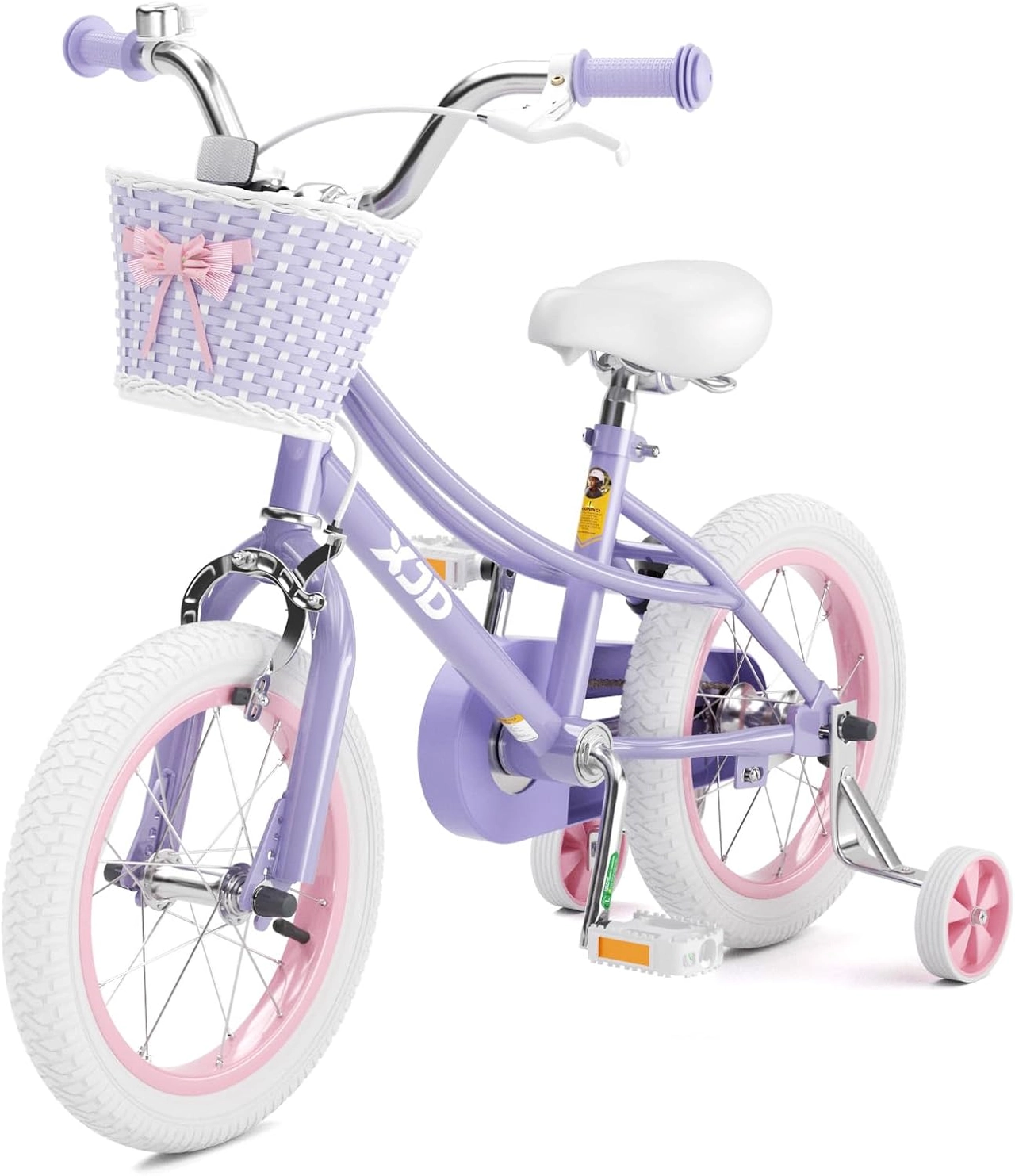
This is a basket-equipped bicycle spanning 14 to 20 inches. The live catalog lists 14-inch, 16-inch, 20-inch wheel choices and an age range that includes 9; select the exact size from height, inseam, brake reach and a hands-on control check.
XJD Beach Cruiser Bike with Rear Rack & V-Brake – Pink
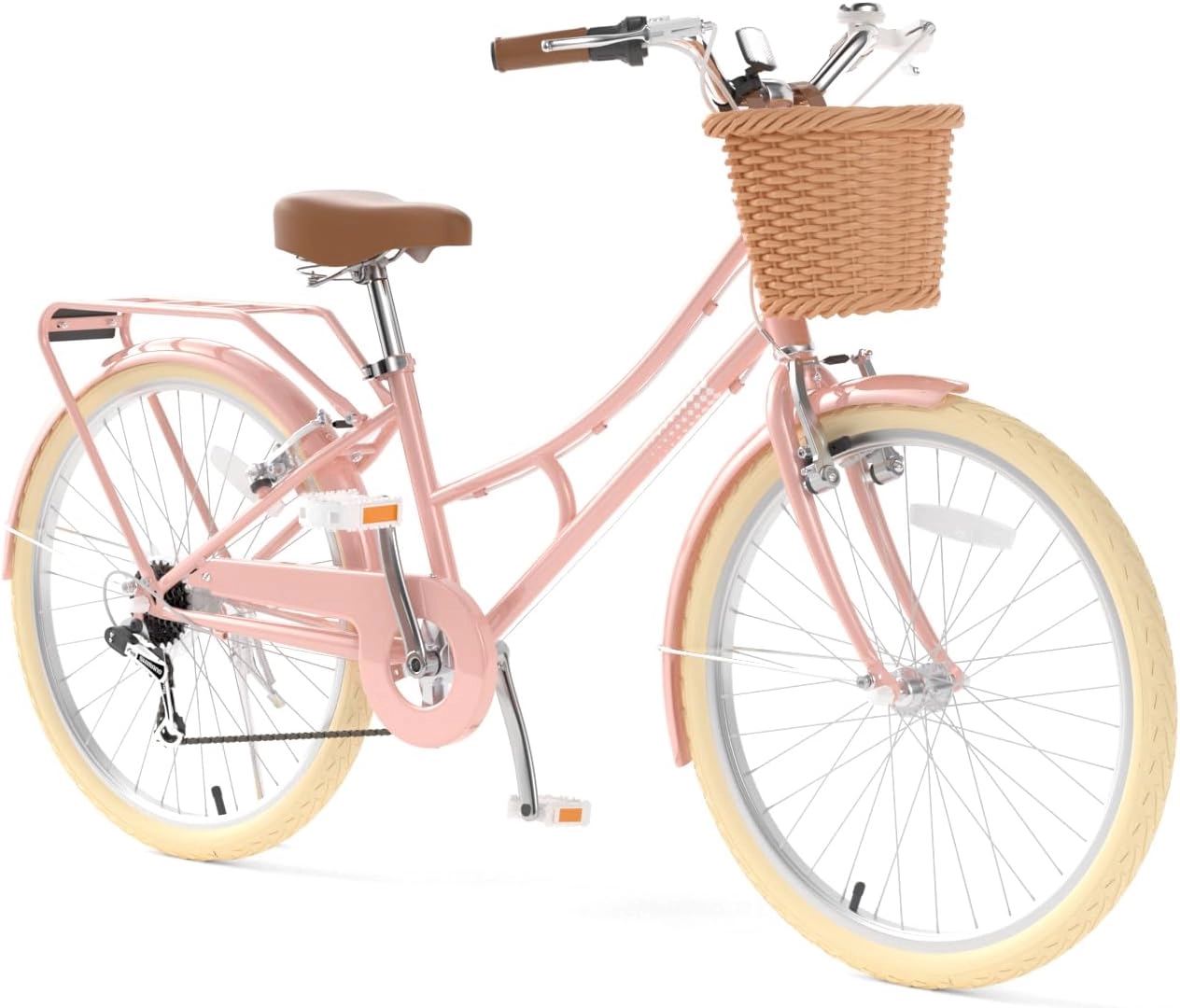
This is an upright geared cruiser with a rear rack. The live catalog lists 20-inch, 24-inch, 26-inch wheel choices and an age range that includes 9; select the exact size from height, inseam, brake reach and a hands-on control check.
For a wider comparison, use the bicycle guide for 9-year-olds together with the full girls’ bicycles collection. Those pages help compare sizes; the child’s measurements still control the final decision.
Do not let color or category decide fit
“Girls bike” is a catalog description, not a separate sizing standard. Purple versus light pink does not change the supplied wheel-size information, and neither product can be chosen responsibly from age or appearance alone. Compare the exact 20-inch configuration the child will ride, because the catalog facts do not establish frame dimensions, brake type, weight or adjustment ranges.
If the child still needs a smaller fit, neither supplied product offers the likely 18-inch comparison size. Their 14-inch and 16-inch versions correspond to younger and shorter starting ranges, so do not treat those labels as equivalent alternatives for a typical 9-year-old without measurements and a successful fit test.
Make the final choice
Measure height and inseam today, shortlist 18-inch and/or 20-inch bikes from the ranges above, and have the child test stand-over, reach, braking and low-speed control. Choose the smallest size that fits properly now while allowing the intended adjustments described in its manual—not a bike she must grow into.
Before riding, add a properly fitting bicycle helmet. The U.S. Consumer Product Safety Commission advises that it sit level and that its straps be used according to the helmet manufacturer’s instructions. The right bike for a 9-year-old girl is therefore the exact model she can comfortably stand over, reach, brake and control now.
Recommended products
-
XJD Kids Bike Helmet & Protective Gear Set – Pink
XJD Kids Bike Helmet & Protective Gear Set – Pink makes helmet selection cle…
Bike Helmets S -
XJD Kids Bike Helmet Protective Gear Set
XJD Kids Bike Helmet Protective Gear Set makes helmet selection clearer: measure…
Bike Helmets Blue / L:21.65"-22.83" / 55-58 cm -
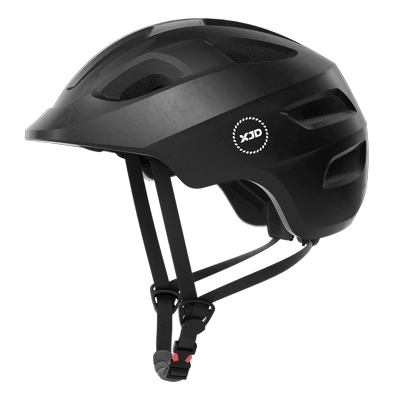
XJD Kids Bike Helmet Black
7 reviews 7 sold
XJD Kids Bike Helmet Black makes helmet selection clearer: measure first, then c…
Bike Helmets Purple / S:18.11"-20.08" / 46-51 cm -
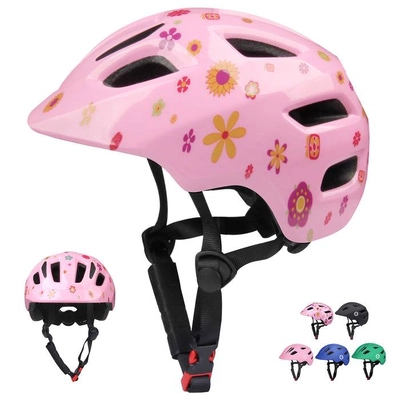
XJD Kids Bike Helmet Pink Flower
7 reviews 3 sold
XJD Kids Bike Helmet Pink Flower makes helmet selection clearer: measure first, …
Bike Helmets S:18.11"-20.08" / 46-51 cm