

Training Wheels on Uneven Ground: Do They Work?
Training wheels on uneven ground can behave unpredictably because the bicycle and both stabilizers rarely contact a changing surface at the same time. A wheel may lift over a dip or carry too much load on a bump, tilting the bicycle and reducing rear-tire traction. Beginners learn more consistently on a smooth, level, traffic-free practice area.
Understand the support pattern
Training wheels limit side-to-side lean; they do not create a four-wheel vehicle that stays level over every contour. On a cross-slope, one stabilizer can touch while the other rises. If the rear drive tire becomes lightly loaded, pedaling or coaster braking may feel different. Follow the bicycle manual for intended surfaces and adjustment.
Choose a predictable first surface
Clean, dry pavement provides clearer feedback for starts, steering and stopping than grass, gravel or a rutted driveway. Walk the area first and remove toys, stones and debris. Avoid traffic, curbs, drains and slopes. A child should master a short straight path and wide turn before encountering minor surface changes.
Inspect the training-wheel hardware
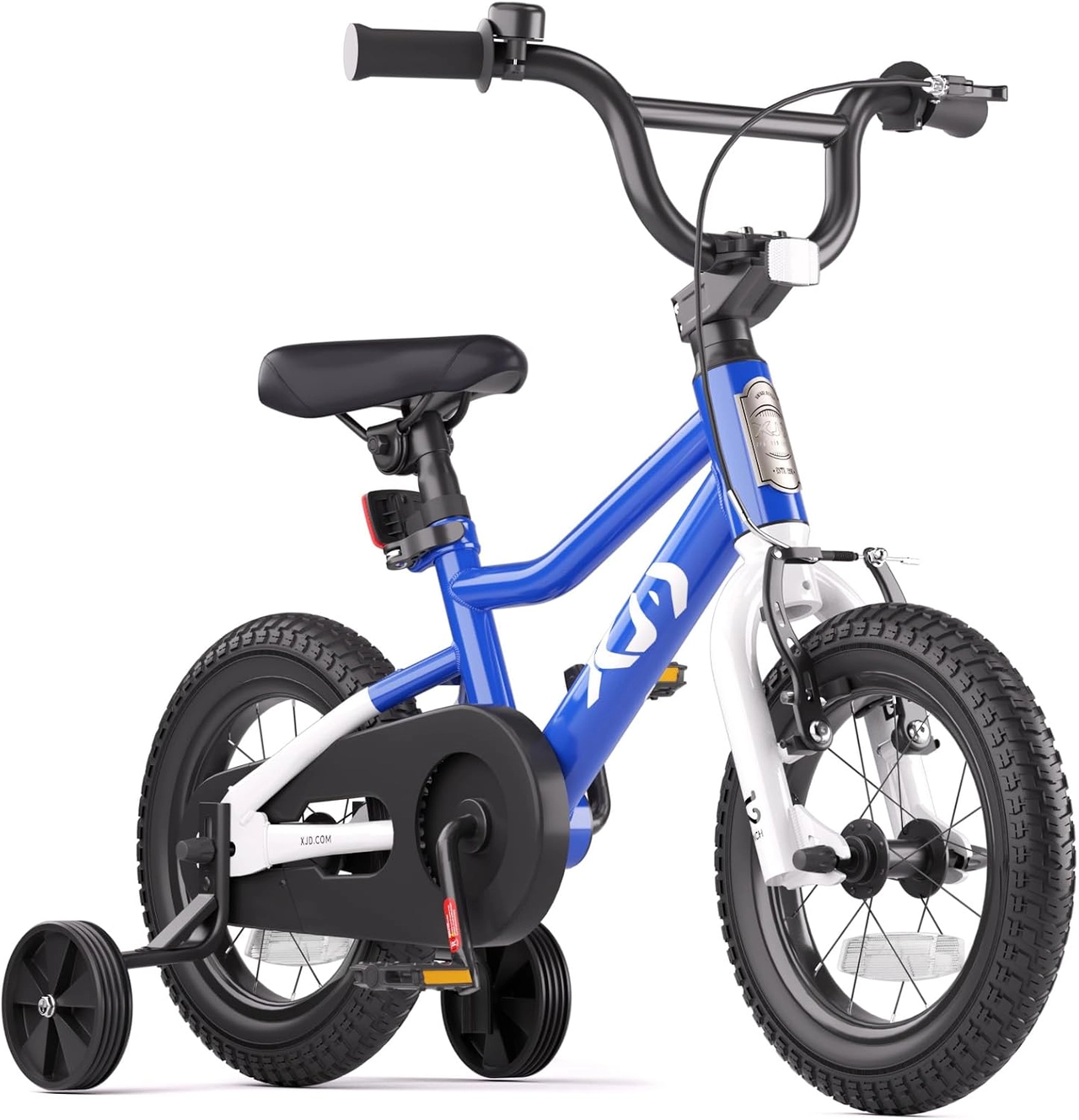
Confirm both brackets, wheels and fasteners match the approved assembly. Check for bending, looseness and unequal mounting. Do not widen, shorten or reposition brackets beyond instructions to compensate for terrain. If one wheel suddenly stays high on level ground, stop and check the assembly rather than continuing the session.
Teach the child to stop for rough ground
Young riders may steer abruptly when a stabilizer hits a bump. Teach a simple stop-and-walk rule for cracks, gravel or unknown surfaces. Training wheels do not replace a correctly fitted frame, reachable brakes, helmet and supervision. Move to varied terrain only when the manual permits it and the child has reliable control.
How the current product examples fit
The blue XJD kids BMX listing includes 12, 14 and 16-inch options with training wheels. It is a useful current example, but the exact option and manual determine setup and surface use. See XJD Kids BMX Bike with Training Wheels – Blue for the exact current options and specifications.
Quick checklist
- Start on smooth level pavement.
- Walk the practice area first.
- Inspect brackets and fasteners.
- Do not modify the supports.
- Stop and walk across rough sections.
Common questions
Should both training wheels touch all the time?
Use the manufacturer's setup. Many systems allow a specified relationship to the ground, but it must not be guessed from another bike.
Is grass safer because it is soft?
Grass can hide holes and add rolling resistance. A smooth clear surface is usually more predictable for learning.
Explore related guides
Use the training-wheel collection and kids-bike collection to compare other suitable configurations without assuming every model has the same features.
Bottom line
Training wheels are most predictable on level, smooth ground. Treat uneven surfaces as hazards to stop for, not tests the supports must overcome.
Bikes for your next adventure
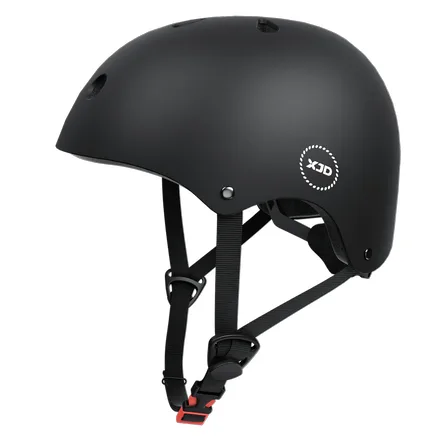
XJD Kids Bike Helmet Protective Gear Set
XJD Kids Bike Helmet Protective Gear Set makes helmet selection clearer: measure…$59.99
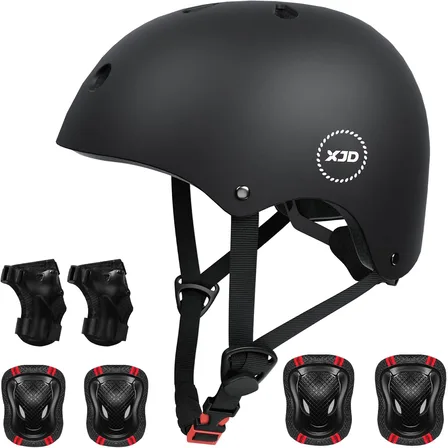
XJD Kids Bike Helmet & Protective Gear Set – Black
10 reviews
XJD Kids Bike Helmet & Protective Gear Set – Black makes helmet selection cl…$23.79
$27.99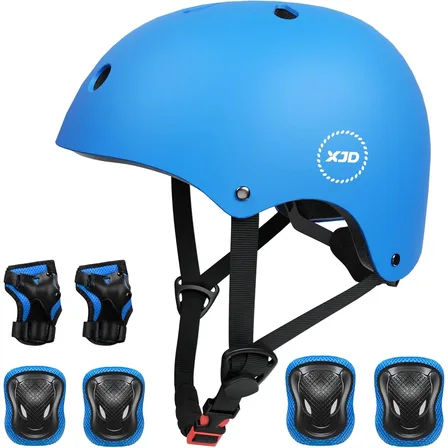
XJD Kids Bike Helmet & Protective Gear Set – Blue
10 reviews
XJD Kids Bike Helmet & Protective Gear Set – Blue makes helmet selection cle…$23.79