

Training Wheel Width: How Wide Should the Supports Be?
Training wheel width affects clearance and how the bicycle responds when it begins to lean, but parents should not invent a wider setting for apparent stability. The approved brackets and mounting holes determine the intended spacing. Changing their shape or adding extensions can overload parts, interfere with pedals or create a new snag hazard.
Identify the approved assembly
Match left and right brackets, wheels, washers and fasteners to the parts diagram for the exact bicycle option. Similar-looking hardware from another wheel size may have different geometry. Install only at specified frame points and orientations. If parts are missing or bent, obtain approved replacements rather than improvising.
Check side and ground clearances
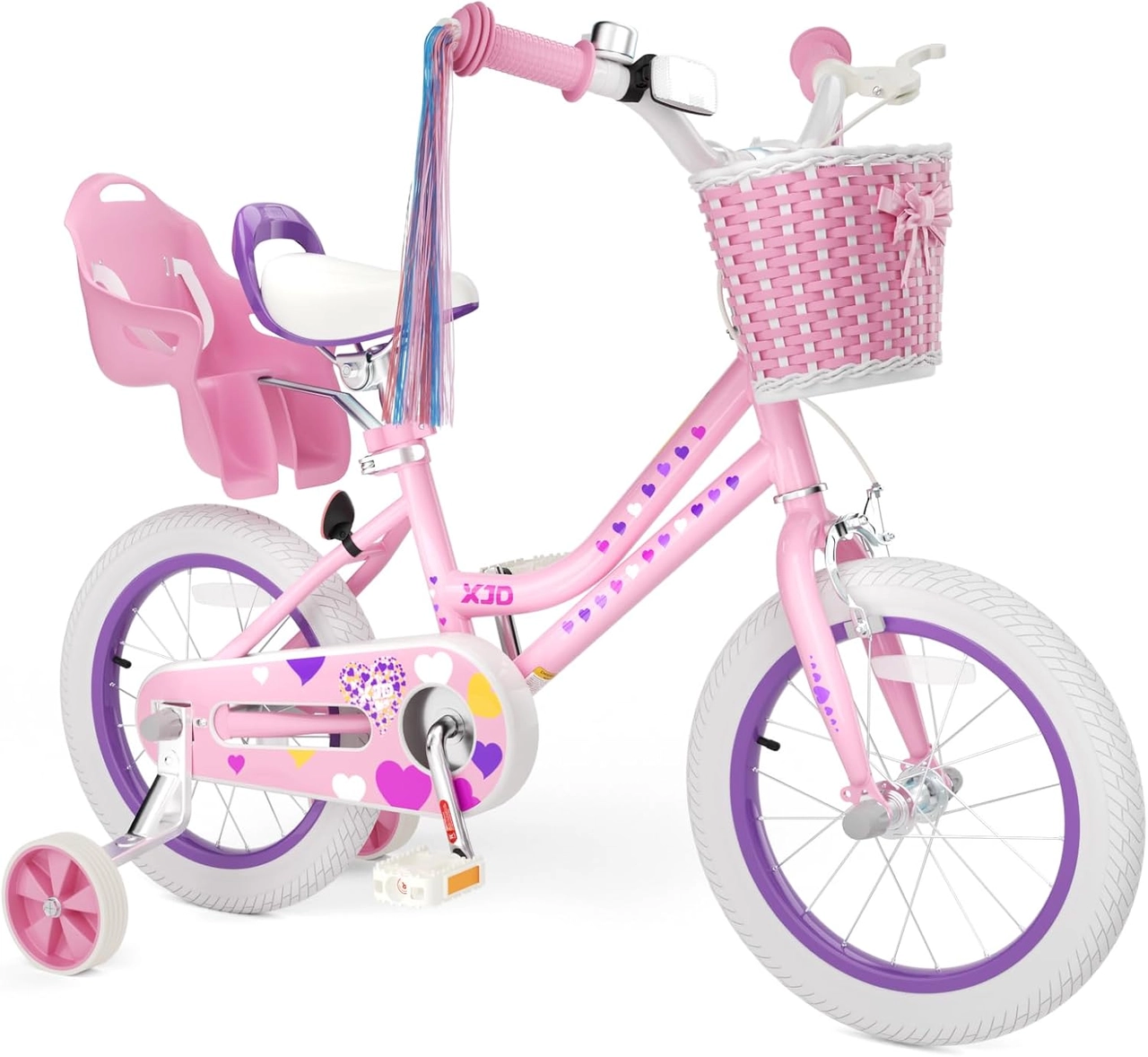
With the bicycle upright on level ground, inspect wheel, chain, crank, pedal and brake clearance through a full pedal rotation. The supports should not contact the rear tire or block any moving part. Use the manufacturer's stated ground relationship; do not assume both wheels must carry the child's weight while stationary.
Test for symmetry without forcing it
Measure from comparable frame references and confirm the bicycle does not visibly lean on level ground beyond the intended setup. Tighten hardware to the specified method and recheck after a short session. If spacing differs despite correct parts, stop and ask the manufacturer or a qualified shop rather than bending a bracket.
Keep practice within the system's limits
Use a smooth, open surface and low speed. Wide supports still cannot prevent every tip, handle cross-slopes safely or correct an oversized bicycle. Require a fitted helmet, reachable brake and direct supervision. Inspect again after transport, a fall or any impact to a training wheel.
How the current product examples fit
The light-pink XJD bike lists multiple wheel sizes and training wheels. Because bracket geometry can change with the selected size, verify the exact option rather than transferring measurements between them. See XJD Girls Bike with Training Wheels & Basket – Light Pink for the exact current options and specifications.
Quick checklist
- Use the exact parts diagram.
- Do not bend or extend brackets.
- Check pedal and tire clearance.
- Verify symmetry on level ground.
- Reinspect after the first ride.
Common questions
Does wider always mean more stable?
No. Excess width can introduce leverage, clearance and snag problems. Use only the approved configuration.
Can universal training wheels be fitted to any bike?
Compatibility depends on frame, axle, drivetrain, brakes and wheel size. Confirm approval for the exact bicycle.
Explore related guides
Use the training-wheel collection and kids-bike collection to compare other suitable configurations without assuming every model has the same features.
Bottom line
Correct spacing comes from compatible parts and instructions, followed by clearance and symmetry checks—not from making the supports as wide as possible.
Bikes for your next adventure
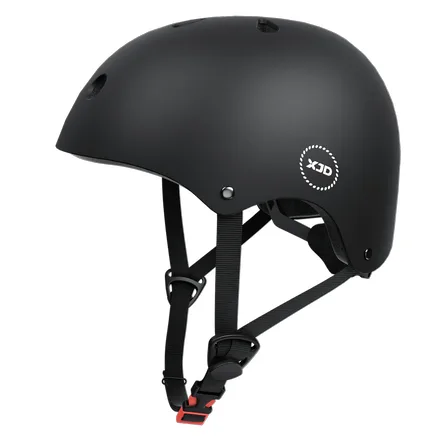
XJD Kids Bike Helmet Protective Gear Set
XJD Kids Bike Helmet Protective Gear Set makes helmet selection clearer: measure…$59.99
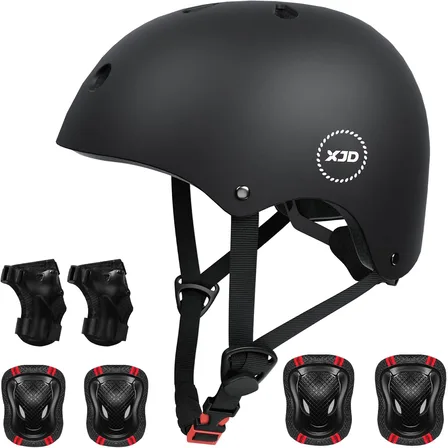
XJD Kids Bike Helmet & Protective Gear Set – Black
10 reviews
XJD Kids Bike Helmet & Protective Gear Set – Black makes helmet selection cl…$23.79
$27.99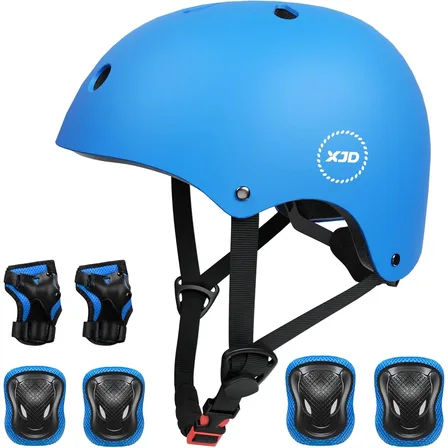
XJD Kids Bike Helmet & Protective Gear Set – Blue
10 reviews
XJD Kids Bike Helmet & Protective Gear Set – Blue makes helmet selection cle…$23.79