

How to Adjust Kids Bike Helmet Straps Step by Step
Learning to adjust kids bike helmet straps matters because even a correctly sized shell can shift during a ride if the retention system is loose. Start with the helmet centered and level on the head, not tilted backward. The U.S. National Highway Traffic Safety Administration's fit guidance gives simple checks for brow position, ear-side straps and the chin buckle. The helmet's own instructions control the final adjustment.
Set the shell position before touching the straps
Place the helmet low enough to protect the forehead while leaving vision unobstructed. Smooth hair away from the fitting band and avoid bulky hats under the shell. If the helmet cannot sit level and snugly within its approved size range, strap adjustment will not fix the wrong shell size. Measure again or try the other factory option before tightening anything.
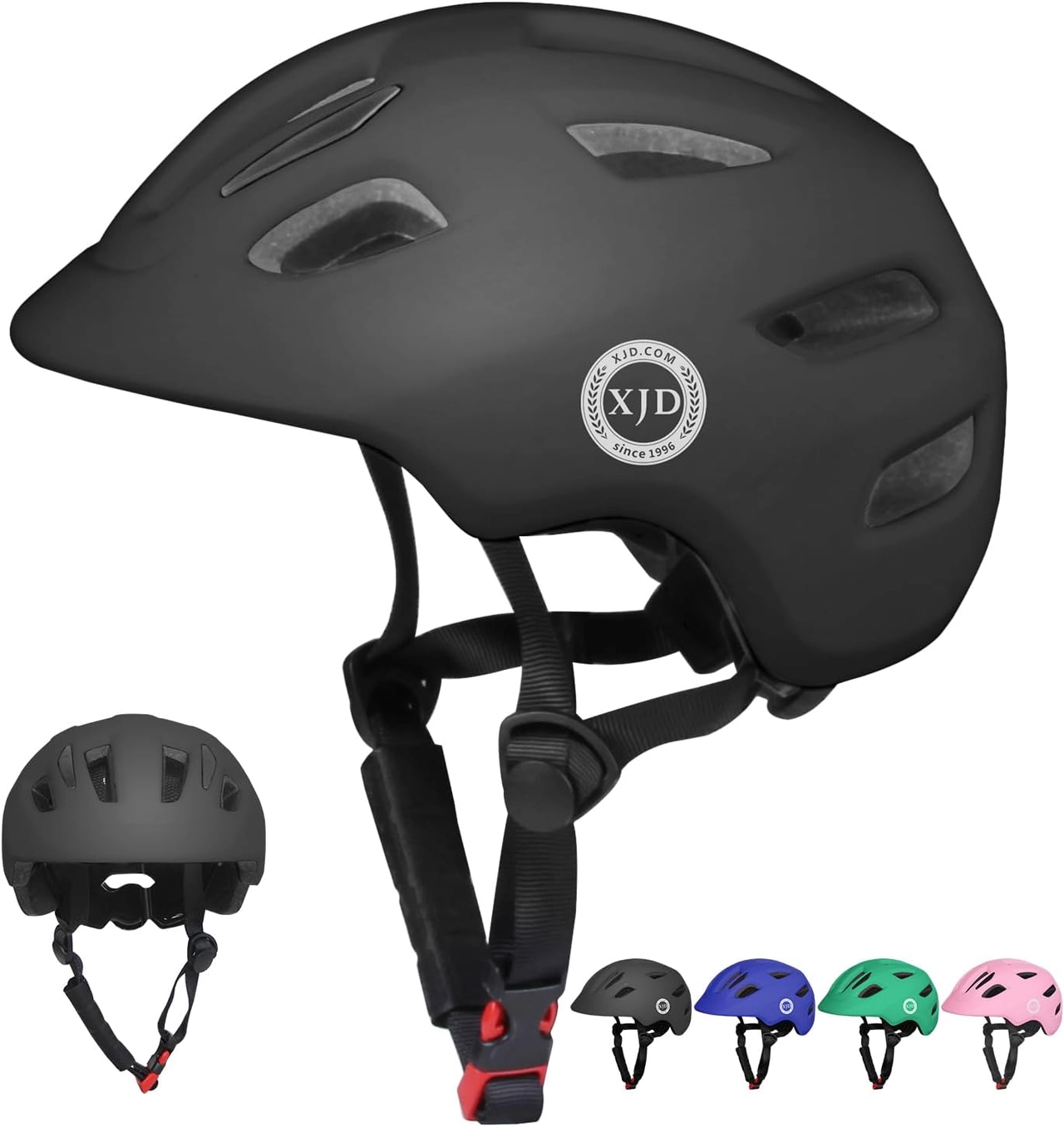
Bring the side-strap junction below each ear
The two straps on each side should form a neat V around the ear rather than crossing over it. Move the slider until the junction sits just below the ear, then repeat on the other side. Remove twists and check that the strap does not cover hearing or rub the ear. Different retention hardware works differently, so use the manufacturer's instructions rather than forcing a slider that will not move.
Fasten and test the chin strap
With the buckle clicked, tighten the chin strap until it is comfortably snug. A common parent check is room for about one or two fingers beneath the strap, but do not turn that cue into a universal measurement; the child's comfort and the helmet's manual still matter. Ask the child to open the mouth wide and gently move the head. The helmet should remain stable without pinching.
Recheck after every adjustment and growth spurt
The XJD black adjustable toddler helmet lists several XS and S head-circumference options, so choose the actual selected option before fitting. After changing a dial, pad or strap, repeat the level-position and buckle tests. Children grow quickly, and straps may loosen during storage. Make the fitting check part of the pre-ride routine instead of a one-time setup.
How the current product examples fit
The black XJD helmet illustrates why the exact size option matters: its listed XS and S configurations cover different measured circumferences. Straps refine a good size; they do not make an oversized shell safe. See XJD Adjustable Toddler Bike Helmet – Black for the exact current options and specifications.
Quick checklist
- Start with a level, correctly sized helmet.
- Keep side straps untwisted around the ears.
- Fasten the buckle every ride.
- Test movement and comfort together.
- Recheck after growth or adjustment.
Common questions
Can I leave the chin strap loose for comfort?
No. A loose strap may let the helmet move during a fall. If snug adjustment hurts, reassess the size or helmet model.
Do helmet straps need daily adjustment?
Not necessarily, but confirm they remain secure and untwisted before every ride, especially after storage or a growth spurt.
Explore related guides
Use the bike-helmet collection and kids-bike collection to compare other suitable configurations without assuming every model has the same features.
Bottom line
Fit the shell first, then the side straps and chin buckle. A short stability check before each ride helps catch looseness early.
Bikes for your next adventure
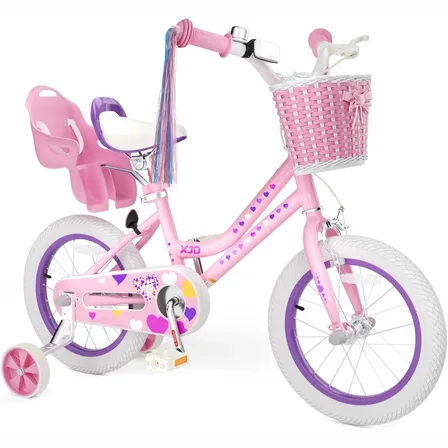
XJD Girls Bike with Training Wheels & Basket – Light Pink
7 reviews
XJD Girls Bike with Training Wheels & Basket – Light Pink brings the recorde…$109.99
$129.99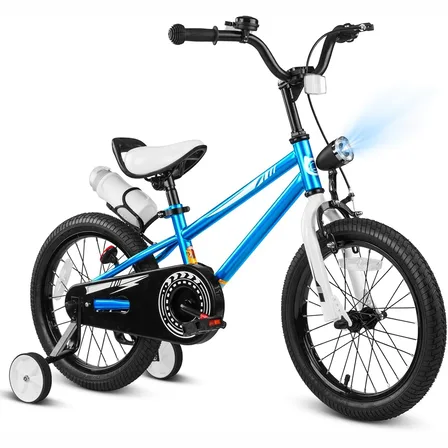
XJD Boys Bike Blue
XJD Boys Bike Blue brings the recorded fit, riding and configuration details tog…$169
$199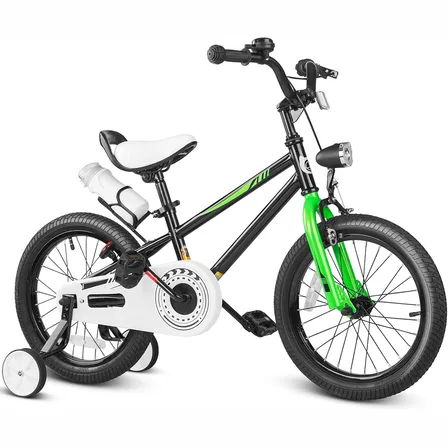
XJD Boys Bike Black
XJD Boys Bike Black brings the recorded fit, riding and configuration details to…$169
$199