

When to Replace a Kids Bike Helmet After a Fall
Should you replace a kids bike helmet after a fall? If the helmet struck the ground or another object in a crash, treat replacement as the safe default even when the outside looks fine. The U.S. Consumer Product Safety Commission warns that damage after an impact may not be visible. First check the child for injury and seek appropriate medical help; equipment decisions come after the rider is safe.
Decide whether the helmet took an impact
Ask what touched the ground, not just whether the child fell. A low-speed tumble can still involve the helmet; scratches or a cracked shell make the decision obvious, but a clean shell does not prove the energy-absorbing material is intact. If nobody saw the fall clearly, do not rely on a quick squeeze test or a phone photo to certify the helmet. Contact its maker if the event is uncertain, and replace after a known impact.
Inspect the whole helmet before any later ride
Look for crushed foam, dents, loose pads, damaged straps, a broken buckle or retention hardware that no longer holds its setting. These are stop-use signs even without a reported crash. Do not glue the shell, replace foam, or borrow unapproved parts. A helmet that no longer fits after a growth spurt also needs replacement, regardless of whether it has fallen.
Choose the new size by head measurement
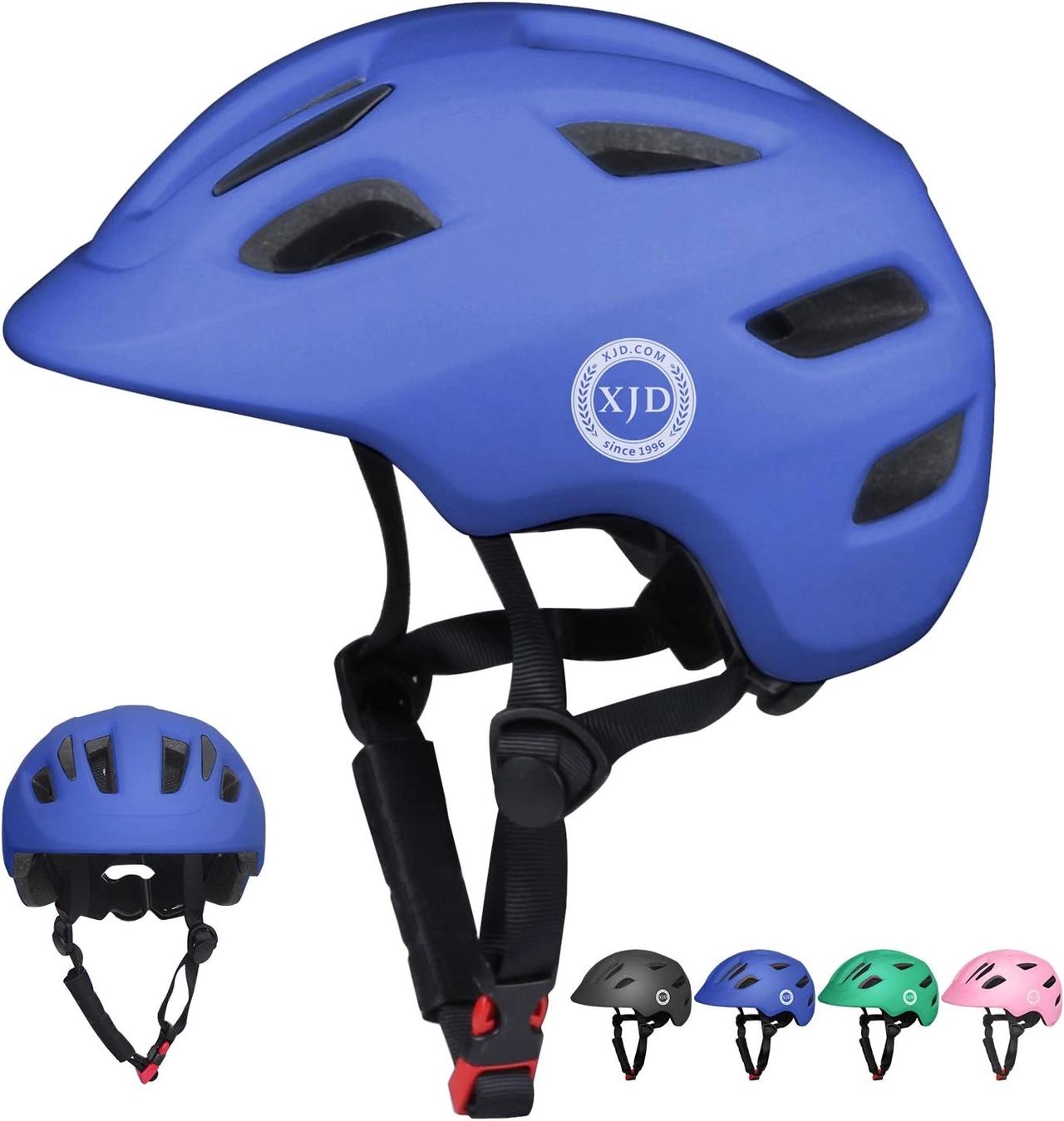
Measure around the widest part of the child's head, then compare with the exact replacement listing. The blue XJD adjustable toddler bike helmet currently lists XS 46–51 cm and S 52–56 cm options. The measured circumference narrows the choice, but a final fit check is still essential: the helmet must sit level, remain snug and fasten securely. Do not buy a loose size to allow growth.
Restart with a fitting and practice check
Before the next ride, adjust the new helmet as its manual directs and ask the child to shake their head gently with the chin strap fastened. Confirm it stays level and does not slide into the eyes or back off the forehead. Then inspect the bicycle involved in the fall—bars, wheel alignment and brakes may also have shifted. Resume riding only after the child and equipment are ready.
How the current product examples fit
The XJD blue helmet is a current size-selection example, not a device for judging whether an impacted old helmet remains protective. Check its exact option and label when replacing equipment. See XJD Adjustable Toddler Bike Helmet – Blue for the exact current options and specifications.
Quick checklist
- Attend to the child first.
- Replace a helmet that took a crash impact.
- Do not trust appearance alone.
- Measure head circumference for the replacement.
- Reinspect the bicycle before riding again.
Common questions
Does a small dent matter?
Yes. Any impact or visible damage warrants stopping use; concealed damage may exist even without a dent.
Can I keep the helmet if it did not touch the ground?
If it truly took no impact and is undamaged, assess fit and condition as usual. If the history is unclear, follow the manufacturer's advice rather than guessing.
Explore related guides
Use the bike-helmet collection and kids-bike collection to compare other suitable configurations without assuming every model has the same features.
Bottom line
A helmet that absorbed an impact has done its job. Replace it, fit the new one properly and check the bicycle before the next ride.
Bikes for your next adventure
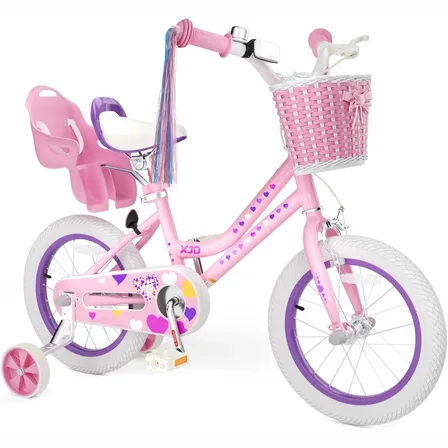
XJD Girls Bike with Training Wheels & Basket – Light Pink
7 reviews
XJD Girls Bike with Training Wheels & Basket – Light Pink brings the recorde…$109.99
$129.99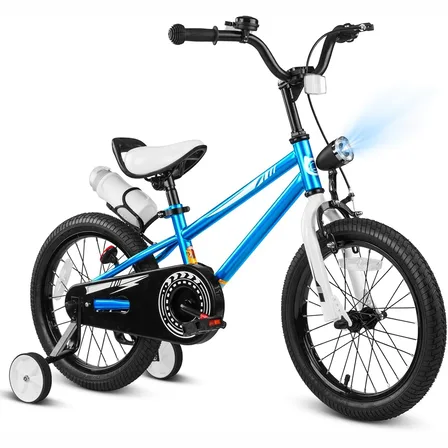
XJD Boys Bike Blue
XJD Boys Bike Blue brings the recorded fit, riding and configuration details tog…$169
$199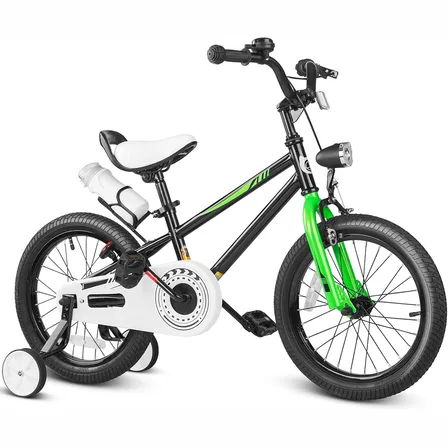
XJD Boys Bike Black
XJD Boys Bike Black brings the recorded fit, riding and configuration details to…$169
$199