

Kids Bike Brake Pad Material: Match the Rim and Mounting Before Choosing a Compound
Kids bike brake pad material matters when buying replacements, but the first question is which brake and braking surface the bicycle actually uses. A pad can appear to fit a holder while having the wrong compound or mounting arrangement. Identify the system before comparing labels such as all-weather or performance. The shopping goal is an approved complete replacement for that brake and rim, followed by correct installation and checks for the rider’s usable control.
Start kids bike brake pad material selection with the brake
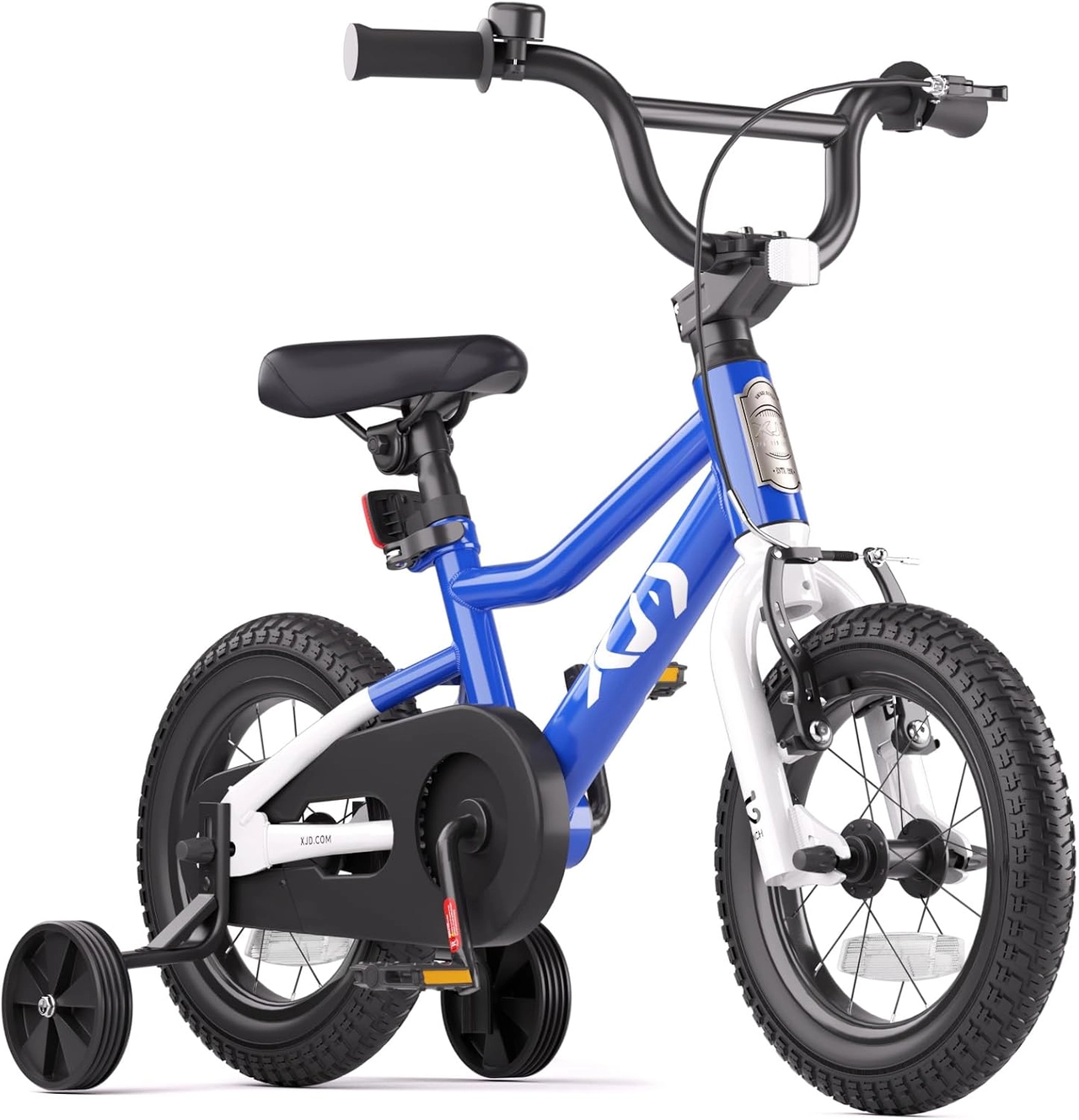
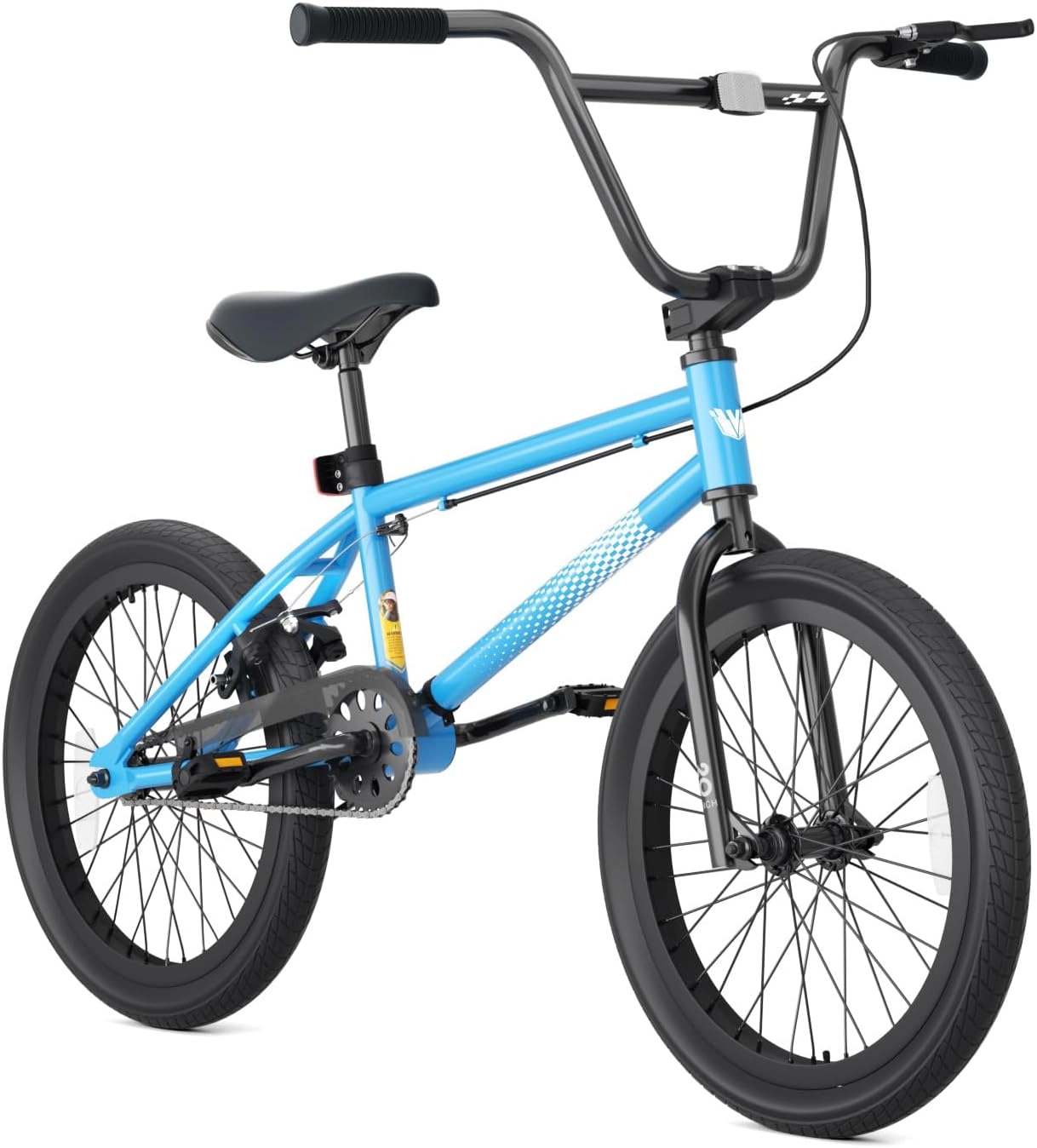
Record the bicycle model and the affected wheel, then identify the actual brake component. The smaller Blue XJD training BMX-style bike lists a front caliper brake and a rear coaster brake. Its coaster mechanism is not serviced by ordering another pair of front rim pads. The separate Blue 20-inch no-pegs freestyle model lists U-brakes operated by hand levers. Shared color and BMX wording do not supply one common replacement-pad specification.
Identify the rim’s actual braking surface
Ask what rim material and surface the pad maker approves for the replacement. Do not infer that information from a shiny finish or a bicycle’s frame material; a steel-frame description does not identify the rim. Specialty compounds may be intended for particular surfaces. Keep the rim identity in the service request along with photographs of the brake. A pad recommendation for a carbon or composite wheel is not automatically applicable to an unidentified children’s bicycle rim.
Read color descriptions within one manufacturer’s system
Some pad makers use colors to distinguish compounds, and those meanings belong to their own products. Kool-Stop, for example, publishes separate general and specialty-rim compound descriptions. That does not turn every similarly colored pad from another maker into an equivalent. Use the exact product code and written compatibility rather than shopping by a photograph. Claims about wet-weather behavior also do not establish the condition, adjustment or stopping performance of a child’s complete bicycle.
Check mounting and hardware before placing the order
A replacement may be a complete pad assembly or an insert intended for a specific holder. Confirm the approved format, post or fastening design, hardware and orientation with the actual brake instructions. Match clearance to the wheel and tire as part of that process. Do not force an insert into an almost-fitting holder or rearrange curved washers by memory. Keep the old part available for identification, but do not treat an earlier owner’s unknown replacement as proof of the original specification.
Ask for a complete installation result
Have competent service set the approved pads to the correct braking track and verify secure attachment, engagement, release and the rider’s lever access. Keep chain lubricant and unapproved cleaners away from friction surfaces. If the original complaint was poor braking, assess the rim, cables, housing and wheel condition as well as the pads. A different compound is not a remedy for an unresolved mechanical fault. Finish the prescribed stationary and controlled walking checks before supervised use.
Model details relevant to this task
The two real Blue bicycles illustrate a front-caliper/rear-coaster arrangement and a separate hand-operated U-brake arrangement. This article does not identify their factory pad manufacturer or recommend a named aftermarket compound. The exact fitted brake and rim information must establish that purchase. The linked model details are available for XJD Kids BMX Bike with Training Wheels – Blue, XJD 20-Inch Freestyle BMX Bike without Pegs – Blue.
Quick checklist
- Identify brake and affected wheel.
- Confirm the rim surface.
- Read the exact compound code.
- Match holder and hardware.
- Verify full brake function after service.
Common questions
Does pad color mean the same thing across brands?
No. Read the particular manufacturer’s compound description and compatibility information.
Can any replacement insert fit a similar holder?
No. Use the insert explicitly approved for that holder and brake arrangement.
Will a stronger-sounding compound fix weak brakes?
Not necessarily. Poor setup, contamination, damaged parts or wheel problems need their own inspection and correction.
Related collections
The XJD brake-system configurations and training-wheel bicycle controls provide further model details. Check the exact selected configuration when planning fit, handling and care.
Before the next outing
Choose kids bike brake pad material through the actual brake, rim and approved mounting system. Keep compound selection connected to complete installation and functional checks, so a replacement label does not stand in for a working brake.
Bikes for your next adventure
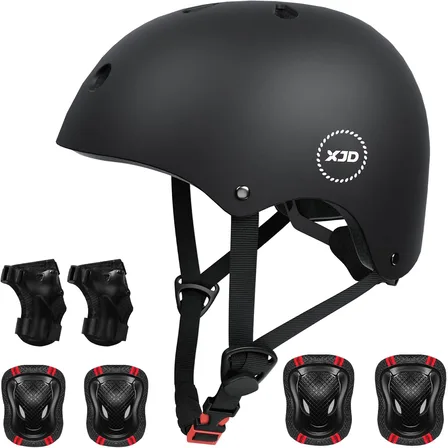
XJD Kids Bike Helmet & Protective Gear Set – Black
10 reviews
XJD Kids Bike Helmet & Protective Gear Set – Black makes helmet selection cl…$23.79
$27.99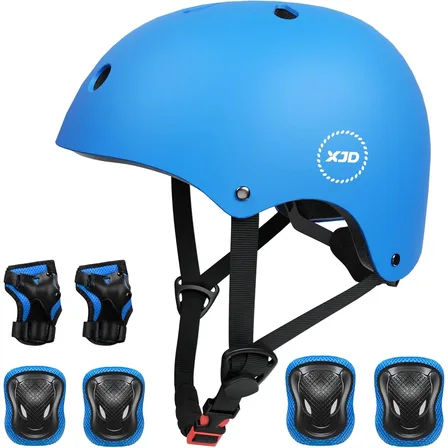
XJD Kids Bike Helmet & Protective Gear Set – Blue
10 reviews
XJD Kids Bike Helmet & Protective Gear Set – Blue makes helmet selection cle…$23.79
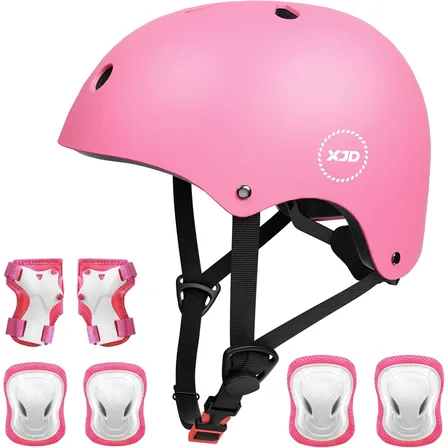
XJD Kids Bike Helmet & Protective Gear Set – Pink
XJD Kids Bike Helmet & Protective Gear Set – Pink makes helmet selection cle…$24.64