

Kids Bike Tire Casing Threads: Distinguish Surface Texture from Exposed Structure
Kids bike tire casing threads can become visible when rubber is worn or damaged, but not every line on a sidewall is an exposed structural cord. A molded pattern, printed marking or normal finish needs a different assessment from damaged reinforcement. Park the bicycle and use good light before deciding what the observation means. The useful question is whether the tire’s structure remains sound, not whether its tread still looks deep enough for another ride.
Photograph kids bike tire casing threads in context
Take one image showing the location on the complete stationary wheel and another showing the detail. Note whether it is on the tread, shoulder, sidewall or near the rim. Include any cut, bulge, lifted rubber or change reported by the rider. Do not pull at a strand to see how long it is, scrape away rubber to improve the photograph or inflate a suspect tire more firmly to make a damaged area easier to see.
Understand what the tire’s layers do
A pneumatic bicycle tire has structural reinforcement beneath its rubber surfaces. Tread pattern and casing condition therefore answer different questions. Schwalbe’s tire guidance identifies visible casing threads or puncture-protection material through the tread as a replacement boundary; a tire may also need attention earlier for other damage. Do not wait for that boundary deliberately. A sidewall cut or bulge needs its own assessment even when the center tread has considerable rubber remaining.
Avoid judging only by a thread-like appearance
An individual object on the tire could be external debris rather than reinforcement, while some tire construction details may be visible as part of the intended finish. Let the actual tire maker or a qualified technician distinguish these cases when uncertain. Preserve the evidence without cutting or tugging. A general photograph online cannot certify the condition of another tire, and the absence of an air leak does not establish that a damaged casing is usable.
Keep the two XJD wheel contexts separate
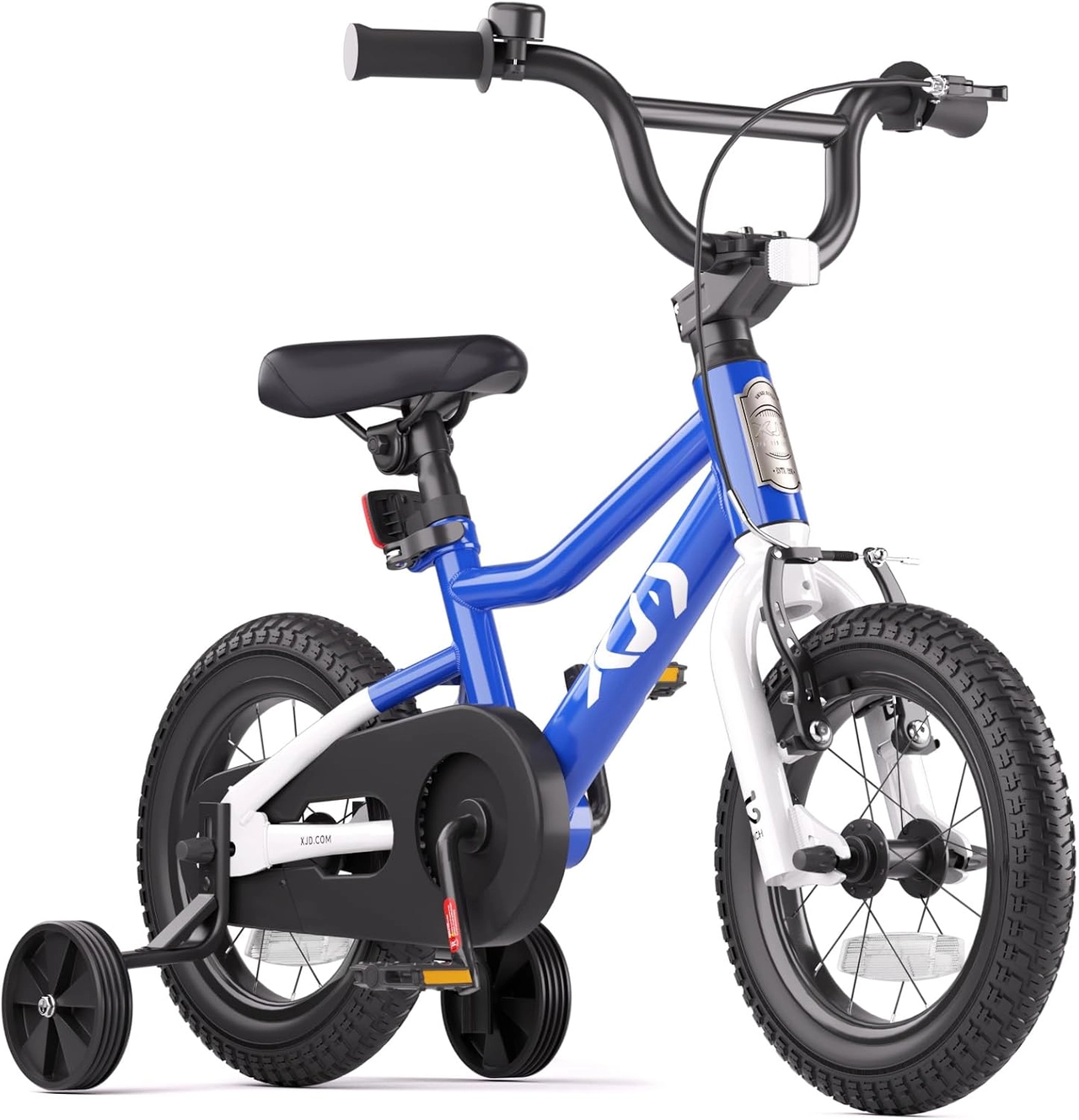
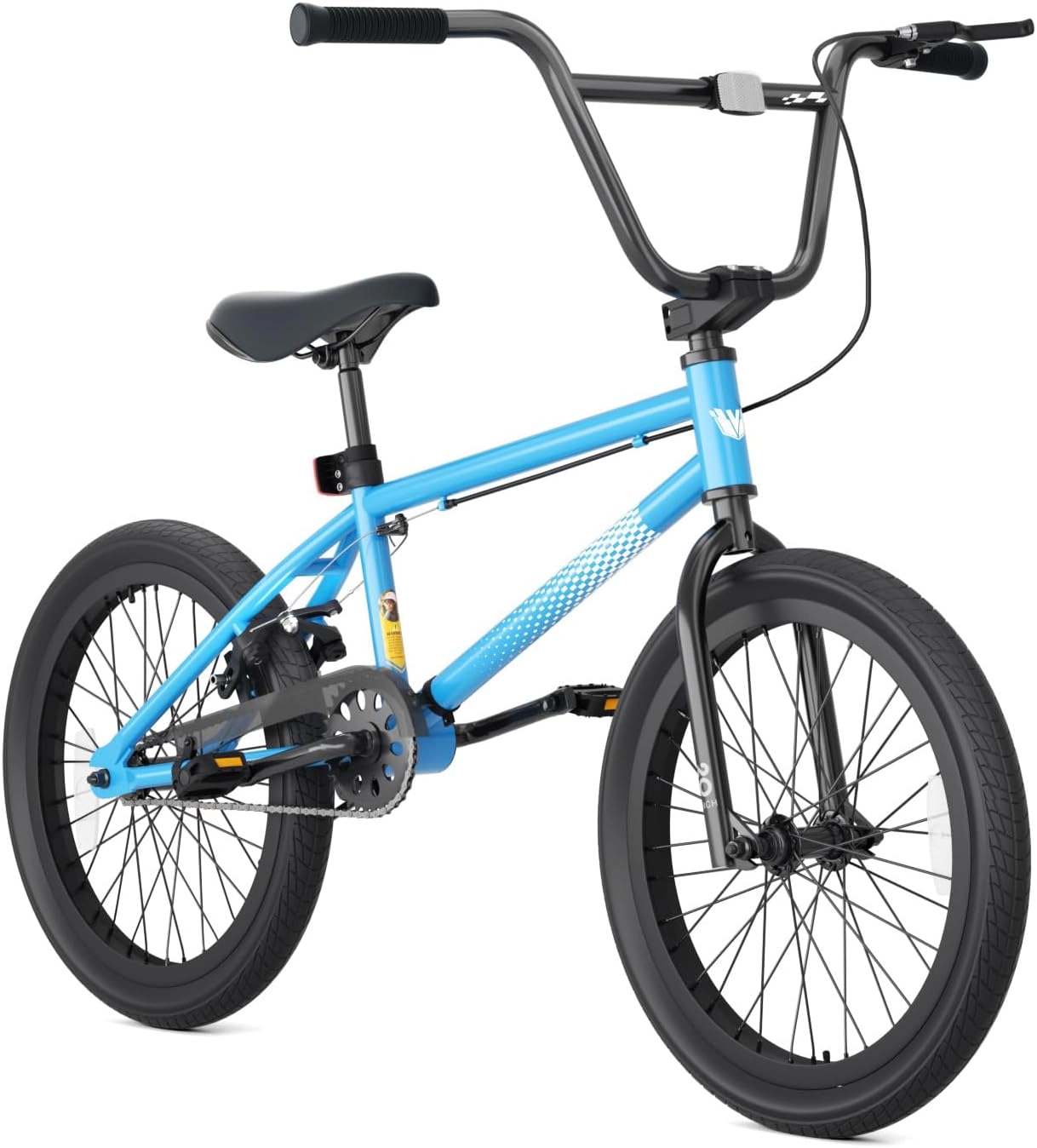
The Blue training BMX-style model offers smaller wheel options, while the separate Blue no-pegs freestyle bicycle is a 20-inch configuration with wide tires. Their complete tire markings and fitted components govern replacement. Do not copy a tire width, inflation number or construction claim from one to the other. Read both sidewalls and establish the actual tire identity before ordering, including any changes made since the bicycle was first supplied.
Request a tire decision rather than another inflation test
Give the technician the photographs, complete size markings and a description of when the change was noticed. Ask whether the tire needs replacement and whether the rim or installation should also be inspected. A tube patch repairs a suitable tube puncture; it does not rebuild tire reinforcement. After approved tire service, verify seating, permitted inflation, wheel retention, clearance and the affected brakes before use. Keep any cause identified in the service record to avoid repeating it.
Model details relevant to this task
The catalog pictures show complete current bicycles with intact-looking tires; they do not illustrate damaged casing or prove the condition of a delivered tire. This guide does not assign the pictured tires a brand, fabric count, wear-indicator design or universal replacement mileage. Assessment follows the actual fitted tire. The linked model details are available for XJD Kids BMX Bike with Training Wheels – Blue, XJD 20-Inch Freestyle BMX Bike without Pegs – Blue.
Quick checklist
- Record the exact damage location.
- Keep rubber and casing questions separate.
- Do not pull visible fibers.
- Read the complete fitted tire markings.
- Verify the whole wheel after service.
Common questions
Can a tire with deep tread still need replacement?
Yes. Casing, sidewall, bead or other structural damage can matter independently of tread depth.
Does holding air prove the casing is intact?
No. Pressure retention does not verify the tire’s reinforcement or suitability for further use.
Can a tube patch cover exposed tire threads?
A tube patch is not a structural tire repair. Have the tire assessed and replace it as required.
Related collections
The XJD wheel and tire configurations and children’s bicycle model details provide further model details. Check the exact selected configuration when planning fit, handling and care.
Before the next outing
Treat kids bike tire casing threads as a condition question requiring the actual tire’s identity and clear evidence. Preserve the surface, distinguish cosmetic details from structural damage and obtain the correct replacement decision before riding.