

Kids Bike Handlebar Rotation: Check Cables Before Practice
Kids bike handlebar rotation should be checked after assembly and whenever steering feels different. A cable, basket or incorrectly positioned component can interfere with movement, while a loose fastening can create another problem. Stop the bicycle first. A child should not have to compensate for restricted steering during a riding lesson.
Check kids bike handlebar rotation without a rider
Support the bicycle and turn the handlebars gently through the movement permitted by the model. Watch cables and accessory attachments rather than forcing a full rotation. Stop when a cable becomes taut, catches or rubs unexpectedly. Some designs have intended limits; confirm those in the manual instead of assuming every handlebar should turn through the same angle.
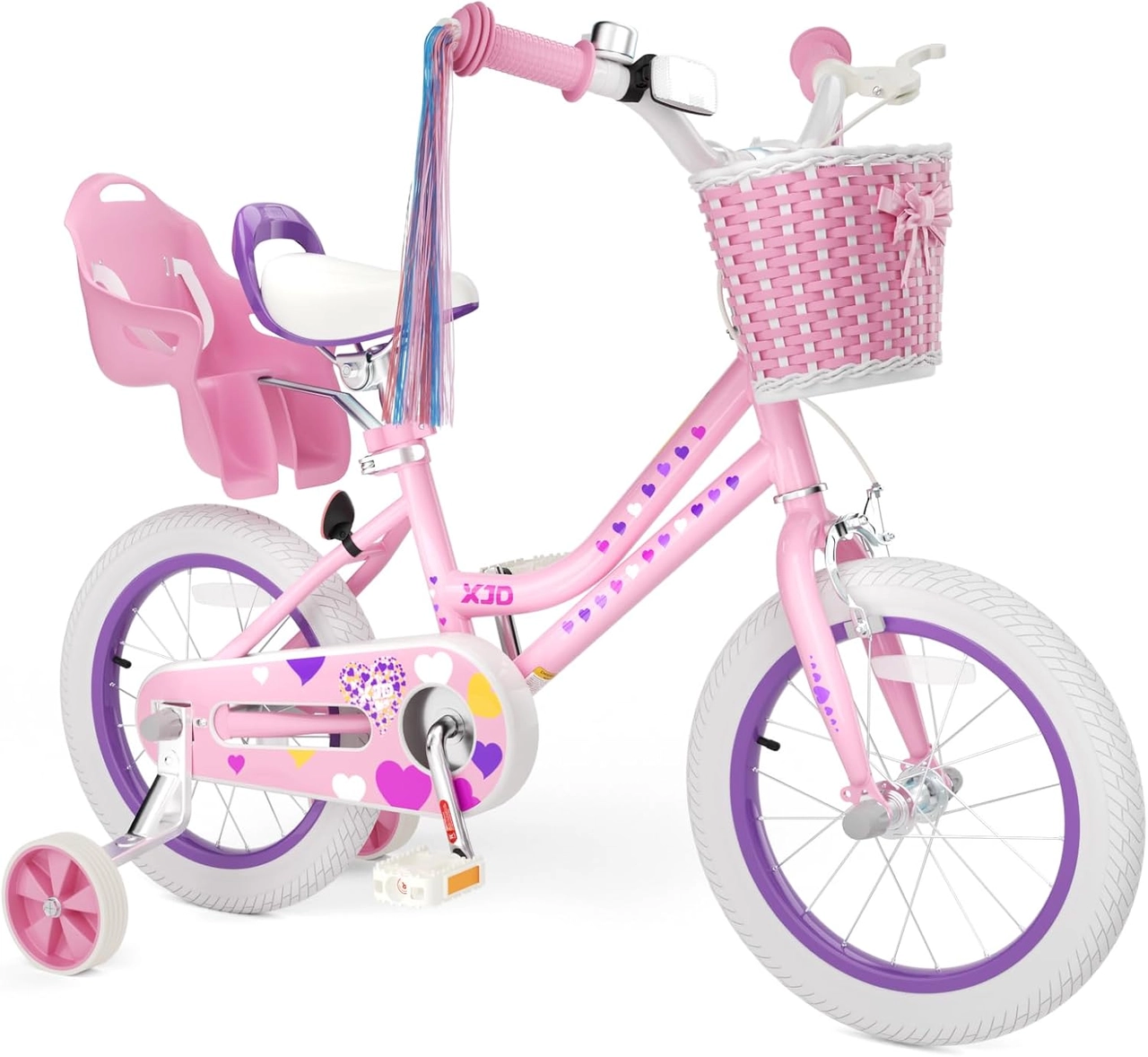
Inspect the basket and cable route separately
The Light Pink XJD girls' bike lists a basket and training wheels, while the Blue Kids Bike is another starter configuration. Inspect the actual delivered accessory layout and cable routing on each. A basket should not push a brake cable aside or obstruct a lever. Do not reroute cables at random, cut them shorter or remove an intended guide to make turning easier.
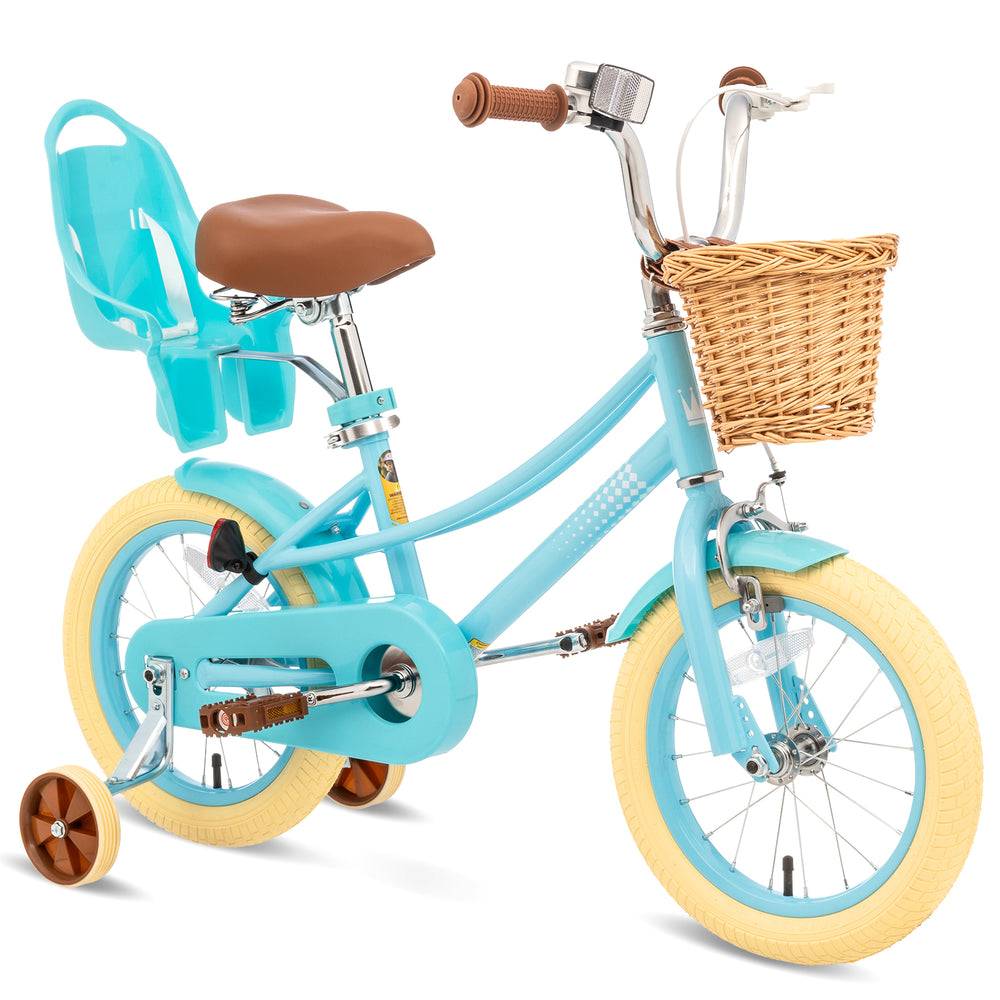
Distinguish restriction from looseness
If the grips turn but the wheel does not follow as expected, a loose steering connection may be involved. If the assembly feels stiff or catches, a different inspection is needed. Both findings mean a pause, not more force. Follow the correct fastening and adjustment instructions, and obtain qualified service when the fault or required specification is unclear.
Return to a stationary fit check first
After a proper correction, confirm normal seated reach and gentle steering with the child while an adult steadies the bike. Verify brake response separately, since a cable-routing problem can affect more than turning. Then use a short, dry, level, traffic-free practice. Stop if restriction returns; do not continue around a course to see whether the cable settles into place.
Model details relevant to this task
The linked starter models provide current wheel-size options and beginner equipment, but their titles do not specify an unrestricted turning angle. Use the actual steering layout, cable path and supplied instructions. A basket's presence is a reason to inspect clearance, not proof that it causes a fault. The linked model details are available for XJD Girls Bike with Training Wheels & Basket – Light Pink, XJD Kids Bike Blue.
Quick checklist
- Turn gently with the bike supported.
- Observe cable movement.
- Check accessory clearance.
- Stop for restriction or looseness.
- Verify brakes after correction.
Common questions
Should I turn the handlebars all the way around?
No. Only assess the movement permitted by the design. Forcing rotation can strain cables or parts and is not a useful inspection.
Can a child ride with one restricted turning direction?
Pause riding and resolve the restriction. A route with fewer turns does not make a steering problem acceptable.
Related collections
The starter bicycles with training wheels and children's bike model information provide further model details. Check the exact selected configuration when planning fit, handling and care.
Before the next outing
Check kids bike handlebar rotation as a quiet, stationary inspection. Clear cable movement, sound attachments and dependable brakes must be confirmed before steering becomes part of a child's next practice session.
Bikes for your next adventure
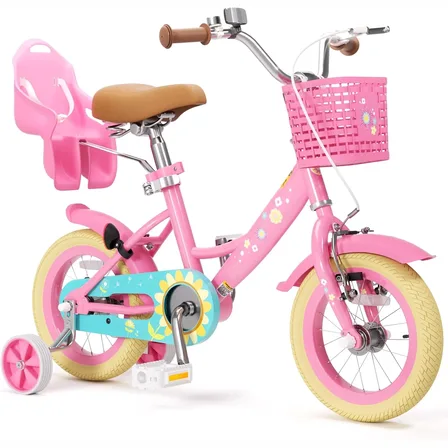
XJD Girls Bike with Basket & Doll Seat – Flower Pink
11 reviews
XJD Girls Bike with Basket & Doll Seat – Flower Pink brings the recorded fit…$69.99
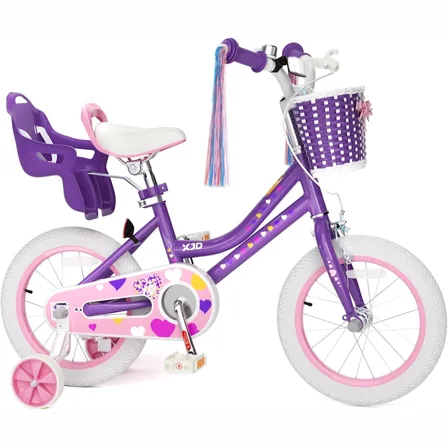
XJD Girls Bike with Basket & Doll Seat – Purple
8 reviews
XJD Girls Bike with Basket & Doll Seat – Purple brings the recorded fit, rid…$75.99
$99.99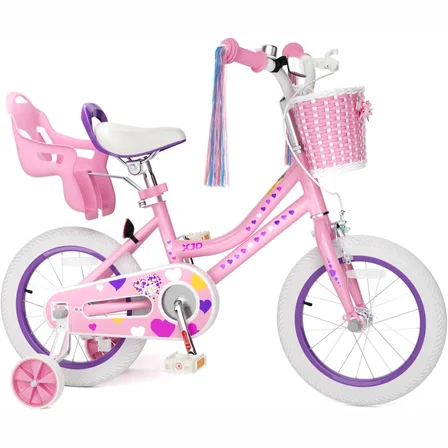
XJD Girls Bike with Basket & Doll Seat – Pink
XJD Girls Bike with Basket & Doll Seat – Pink brings the recorded fit, ridin…$75.99
$99.99