

Kids Bike Loose Pedal: Stop Before the Next Ride
A kids bike loose pedal is not something to tighten casually between laps and forget. Movement can involve the pedal's attachment, its internal parts or another component near the crank. Stop riding, have the child step off and identify the area that moves. Continuing to pedal may worsen a damaged connection without revealing a reliable repair method.
Locate a kids bike loose pedal with the bicycle stopped
Support the bike and inspect the pedal, crank and nearby area according to the model guidance. Note whether the entire pedal attachment moves or the pedal body has unexpected play. Do not use the child's weight to test a questionable fitting. Visible damage, rough movement or uncertainty about the source requires qualified inspection before use resumes.
Read side markings before any permitted installation
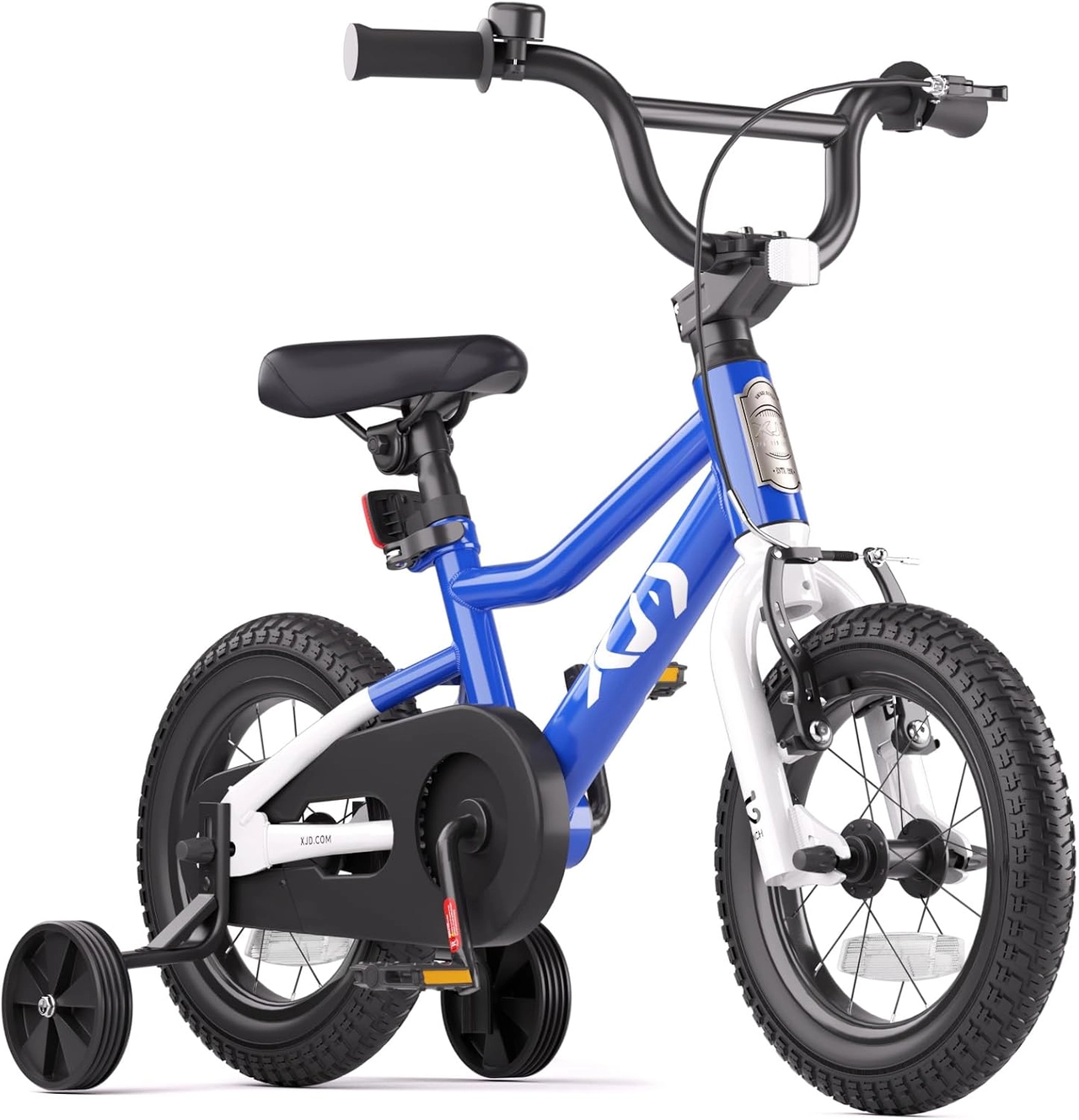
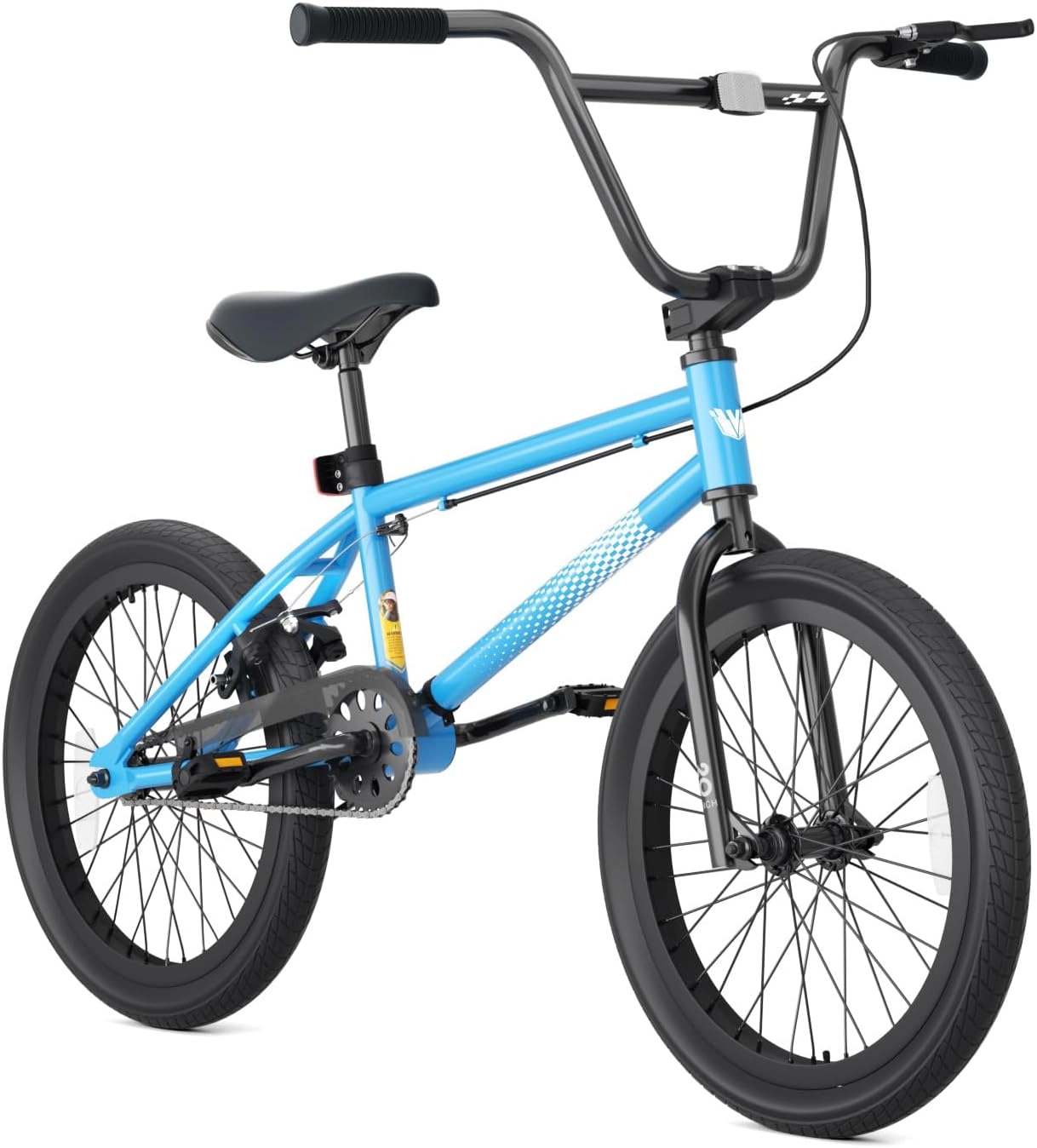
Pedals can have side-specific threads and installation requirements. Follow the selected bicycle's instructions and component markings rather than forcing a part that resists. The Blue BMX training model and 20-inch no-pegs freestyle model are different configurations; a shared category does not establish identical pedal hardware. A connection that was cross-threaded needs assessment, not simply more tightening.
Use the specified tools and fastening guidance
A generic online torque number cannot establish the correct setting for every crank and pedal. If the actual specification or installation method is absent, ask the manufacturer or a qualified mechanic. Do not use an improvised extension for extra leverage or household adhesive as a repair. Replace damaged parts only with compatible components and the correct documented procedure.
Inspect the rest of the bicycle before restarting
After a correct repair, recheck both pedals, crank condition and the ordinary pre-ride items: wheels, steering, saddle and brakes. Confirm the child's fit on the selected wheel-size configuration. Begin with a short, supervised practice on clear, level ground. If movement, noise or difficult pedaling returns, stop again rather than treating a recent repair as proof that continued riding is acceptable.
Model details relevant to this task
The linked Blue BMX training bike offers smaller wheel-size options with training wheels, while the Blue 20-inch freestyle bicycle lists no training wheels and no pegs. Their equipment differences do not change the basic requirement for sound pedal attachment, but the correct repair details remain model-specific. The linked model details are available for XJD Kids BMX Bike with Training Wheels – Blue, XJD 20-Inch Freestyle BMX Bike without Pegs – Blue.
Quick checklist
- Stop and have the child step off.
- Identify the source of movement.
- Read side markings and instructions.
- Use specified tools and values.
- Recheck before a short restart.
Common questions
Can I keep riding if the pedal still turns?
No. Free rotation does not establish a sound attachment. Stop and have the movement assessed before the next ride.
Does tightening fix every loose pedal?
No. Damaged threads, internal wear or another loose component may require a different repair. Identify the fault rather than applying more force.
Related collections
The kids BMX bicycle configurations and children's bicycle collection provide further model details. Check the exact selected configuration when planning fit, handling and care.
Before the next outing
A kids bike loose pedal calls for a stop, a clear diagnosis and a proper model-specific repair. Confirm the attachment and the rest of the bicycle before giving the child another short practice attempt.
Bikes for your next adventure
XJD 20-Inch Freestyle BMX Bike without Pegs – Blue
XJD 20-Inch Freestyle BMX Bike without Pegs – Blue brings the recorded fit, ridi…$189.99
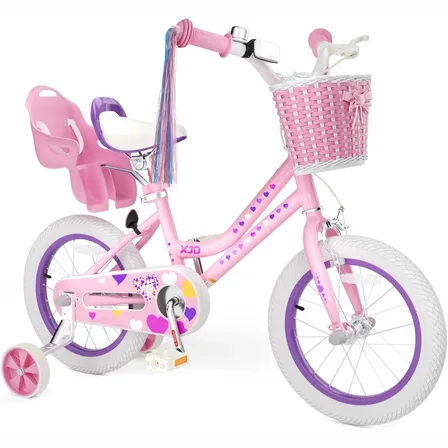
XJD Girls Bike with Training Wheels & Basket – Light Pink
7 reviews
XJD Girls Bike with Training Wheels & Basket – Light Pink brings the recorde…$109.99
$129.99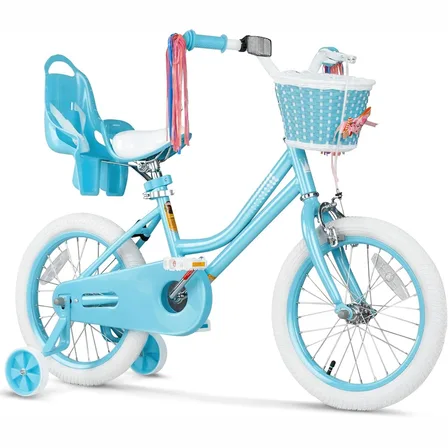
XJD Girls Bike Blue
XJD Girls Bike Blue brings the recorded fit, riding and configuration details to…$149
$169