When Should Kids Start Riding with Training Wheels
When should kids start riding with training wheels? Start when the child wants to pedal, fits an approved training-wheel bicycle and can follow simple start-and-stop directions—not when a calendar says they must. Training wheels support the bike laterally while the child learns pedaling and basic steering, but they do not replace correct fit, braking skill, a helmet or adult supervision. They also do not teach the full leaning balance used on two wheels, so the learning plan should include separate balance opportunities.
Look for practical readiness
A ready child shows interest in the bicycle, tolerates a fitted helmet, can hold the grips, place feet as the manual requires and respond to a stop instruction. They do not need to know how to pedal already. Begin with the bicycle stationary and name the controls. If the child repeatedly climbs off, cannot reach the brake or becomes frightened before movement, pause and revisit fit or try a simpler walking and gliding activity.
Select the bike before the support system
Measure height and inseam and compare the exact wheel options, frame, saddle range and handlebar reach. Training wheels must be supplied for or explicitly compatible with the selected model and size. They cannot make a 16-inch frame suitable for a child who currently controls a 12-inch bike. Avoid universal kits, extra washers or axle extensions unless the bicycle and support manufacturer explicitly approve the complete combination.
Set up the rear axle exactly as documented
Support-wheel brackets often share the rear axle with washers, wheel-retention parts and sometimes a coaster-brake reaction arm. Position, hardware order, clearance and torque are model-specific. Install through the exact manual or use a qualified bicycle technician. Do not assume both training wheels must carry weight constantly; some systems specify clearance, but only the instructions for that model can define the approved setup.
Teach pedaling and stopping on level ground
Choose a hard, flat area closed to vehicles. First practice locating the pedals and using the installed brake at walking speed. Place one pedal in a ready position, let the child press forward and aim for a visible stop marker. Keep turns wide and speed low. Training wheels can catch on uneven ground or a sharp turn, so avoid slopes, curbs, soft edges and tight circles while the rider learns how the bike responds.
Keep balance development in the plan
Watch whether the child rides heavily on one support, looks down or turns by forcing the bar. Add separate walking and gliding practice on approved equipment rather than raising the training wheels by guess. Transition away from supports when the child shows repeatable pedaling, steering, stopping, balance and willingness—not after a fixed number of weeks. Removal and any resulting brake or axle check must follow the exact instructions.
Use current products as concrete examples
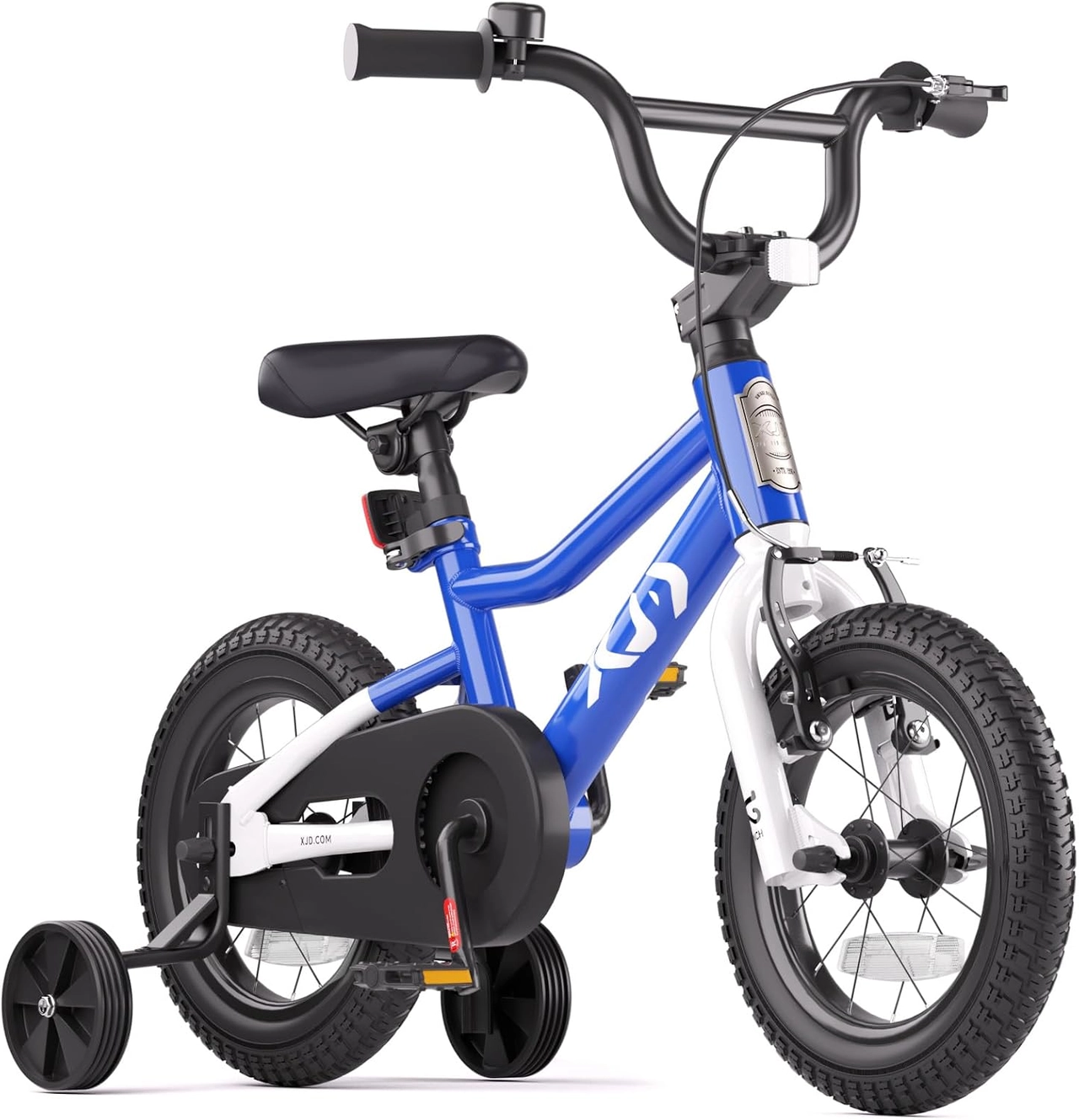
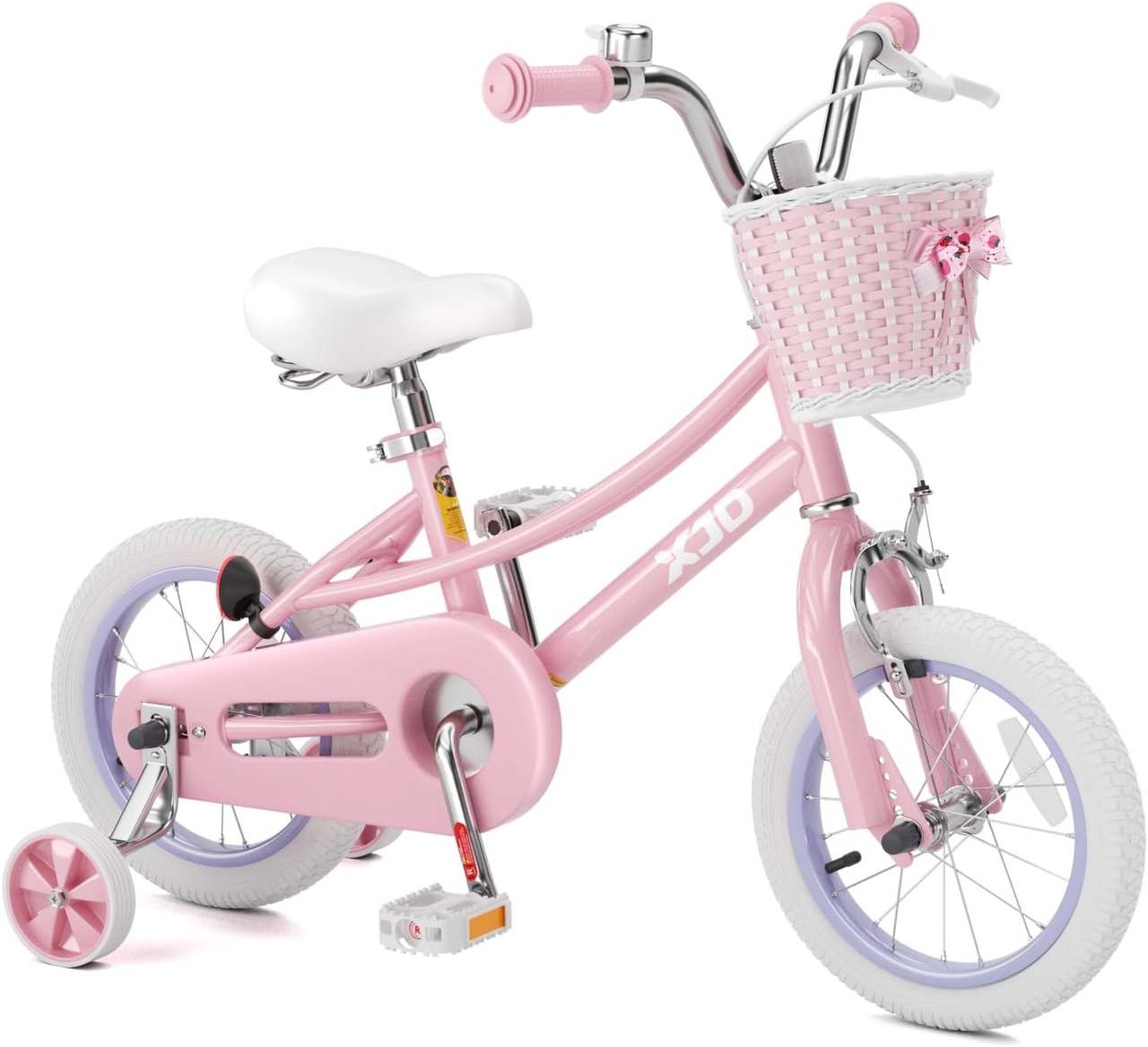
The XJD Blue Kids BMX Bike with Training Wheels and XJD Pink Bike with Training Wheels and Basket both provide current small pedal-bike examples with multiple wheel options. Their training wheels are one component of a complete size-specific setup. Families should compare fit and controls first, then follow the selected bicycle's manual for brackets, rear-axle hardware and first-ride checks.
Parent checklist
- Wait for interest and the ability to follow a stop direction.
- Choose the current bike size before evaluating training wheels.
- Use only approved brackets, hardware positions and clearances.
- Begin with straight starts and planned stops on level ground.
- Practice balance separately and transition by skills, not age.
Editorial approach
This guide is based on the current XJD Bikes catalog, the fit and component information shown on the linked product pages, and conservative pre-ride practices. It does not replace the instructions supplied with the exact bicycle. Product specifications can change, so families should verify the selected option before use.
Frequently asked questions
What age can a child start using training wheels?
There is no single age. The child must fit the exact pedal bike, show interest and be able to follow simple directions under direct supervision.
Do training wheels teach a child to balance?
They mainly support lateral stability while the child practices pedaling and steering. Two-wheel balance needs separate walking or gliding practice.
Should both training wheels always touch the ground?
Do not use a universal rule. Follow the clearance and setup specified for the exact bicycle and bracket system.
Bottom line
when should kids start riding with training wheels is best answered by checking the individual child, the exact bicycle and the real riding area together. Choose present control over a future-growth guess, keep each practice step small and stop whenever fit, braking or equipment condition is uncertain.
Recommended products
-
Save 16%
XJD Kids BMX Bike with Training Wheels – Pink Blue
XJD Kids BMX Bike with Training Wheels – Pink Blue brings the recorded fit, ridi…
Kids' BMX Bikes Training Wheels Yes Single Speed 12 Inch -
Save 16%
XJD Kids BMX Bike with Training Wheels – Blue
XJD Kids BMX Bike with Training Wheels – Blue brings the recorded fit, riding an…
Kids' BMX Bikes Training Wheels Yes Single Speed 12 Inch -
Save 16%
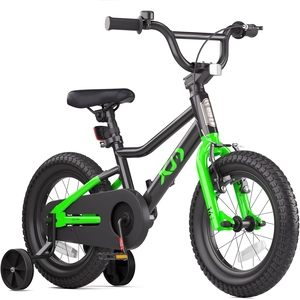
XJD Kids BMX Bike with Training Wheels – Black
XJD Kids BMX Bike with Training Wheels – Black brings the recorded fit, riding a…
Kids' BMX Bikes Training Wheels Yes Single Speed 12 Inch -
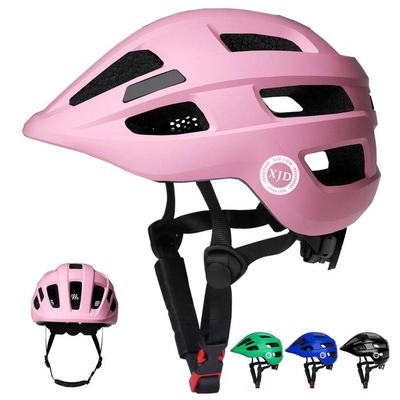
XJD Kids Bike Helmet
XJD Kids Bike Helmet makes helmet selection clearer: measure first, then choose …
Bike Helmets Blue / S:18.11"-20.08" / 46-51 cm