How to Tighten a Kids Bike Chain
Learning how to tighten a kids bike chain starts by identifying the drivetrain and reading the exact bicycle instructions. A single-speed chain may be adjusted by moving the rear wheel within approved limits, while a geared bicycle can rely on a derailleur or another tensioning system. Rear axle hardware may also retain training-wheel brackets or a coaster-brake arm. Because a wrong adjustment can affect wheel security, alignment and braking, stop and use a qualified mechanic whenever the arrangement is unclear.
Confirm that chain tension is the real problem
Keep fingers, hair and clothing away from the drivetrain. With the bicycle empty and supported as its manual permits, inspect for a chain that repeatedly drops, binds, has a stiff or damaged link, or changes tension during one crank rotation. Noise can also come from a rubbing chain guard, misaligned wheel or damaged sprocket. Do not tighten a chain simply because it is not rigid; every chain needs controlled movement and the acceptable amount is model-specific.
Identify single-speed, coaster and geared hardware
A small single-speed bike commonly uses rear axle position to set chain tension. If it has a coaster brake, a reaction arm connects the hub to the frame and is part of the stopping system. Training-wheel brackets and washers may share the axle. A geared bike may use a derailleur that manages chain slack and should not be treated like a sliding single-speed wheel. Photograph the original order of approved parts before any service.
Follow the manual's adjustment sequence
Use only the specified tools, part positions, tension guidance and torque values. If the instructions call for rear-wheel movement, both sides must remain aligned and the tire must keep safe clearance from the frame and brakes. Do not add washers, extend an axle or pull one side farther to make the chain look tight. Never guess a numeric amount from another bicycle, even when its wheel diameter or brand appears similar.
Recheck every system touched by the work
After adjustment, verify rear-wheel retention, wheel centering, chain-guard clearance, pedal movement and the complete brake system. A coaster-brake reaction arm must be restored exactly as documented; rim or U-brakes must still align with their braking surface. Rotate the crank only through a safe method, listening and watching for a tight spot. The chain should move consistently without jumping or pulling the wheel out of alignment.
Complete adult tests before child use
An adult first rolls the empty bike and applies each brake, then performs a walking-speed stop in a closed area. Recheck the axle and any training-wheel brackets for movement. Do not let the child test an uncertain repair. Seek service for damaged or rusted links, worn sprockets, bent drivetrain parts, wheel movement, brake changes or a chain whose tension varies substantially as the cranks turn. Reinspect after the manual's stated settling interval.
Use current products as concrete examples
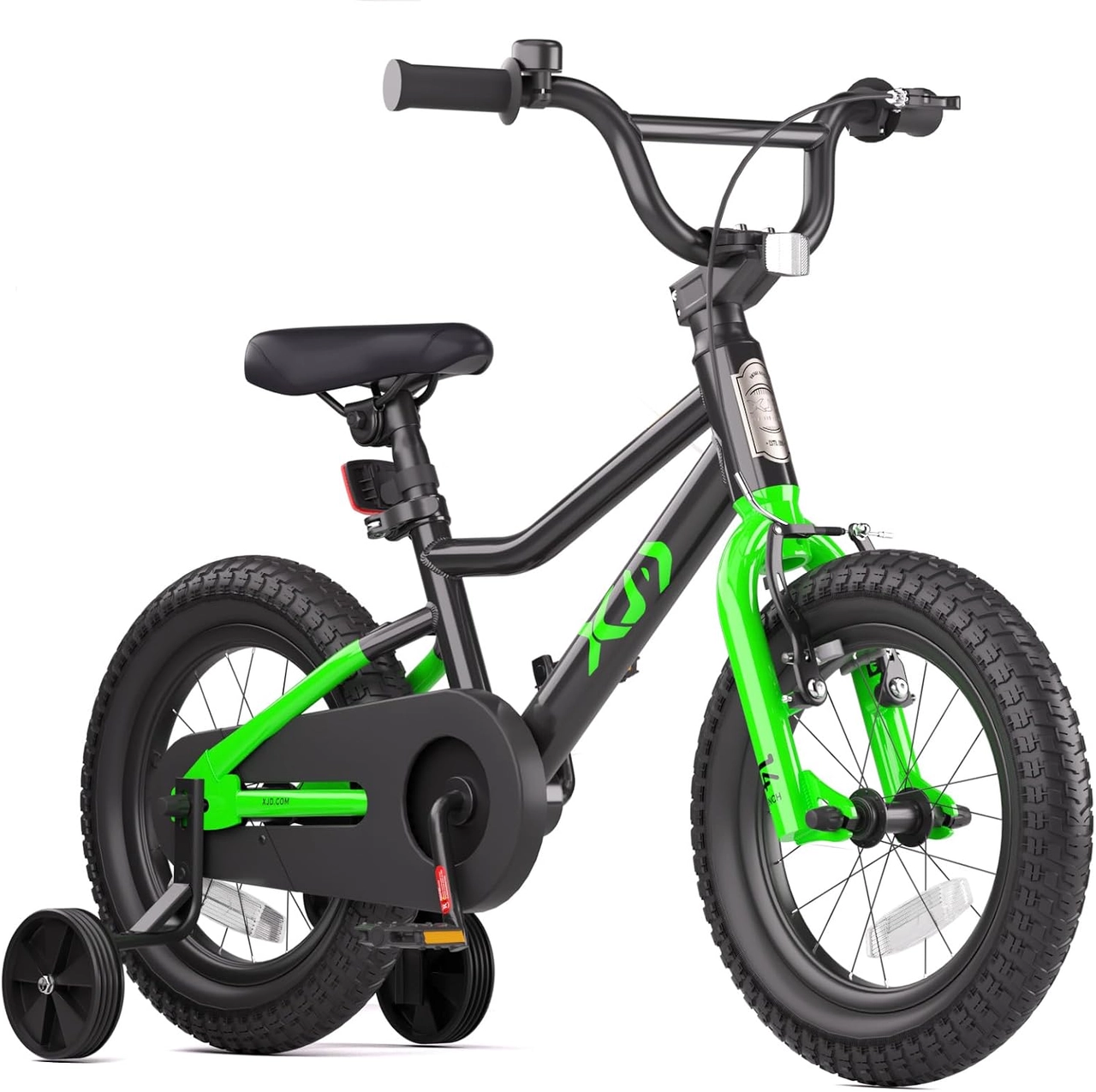
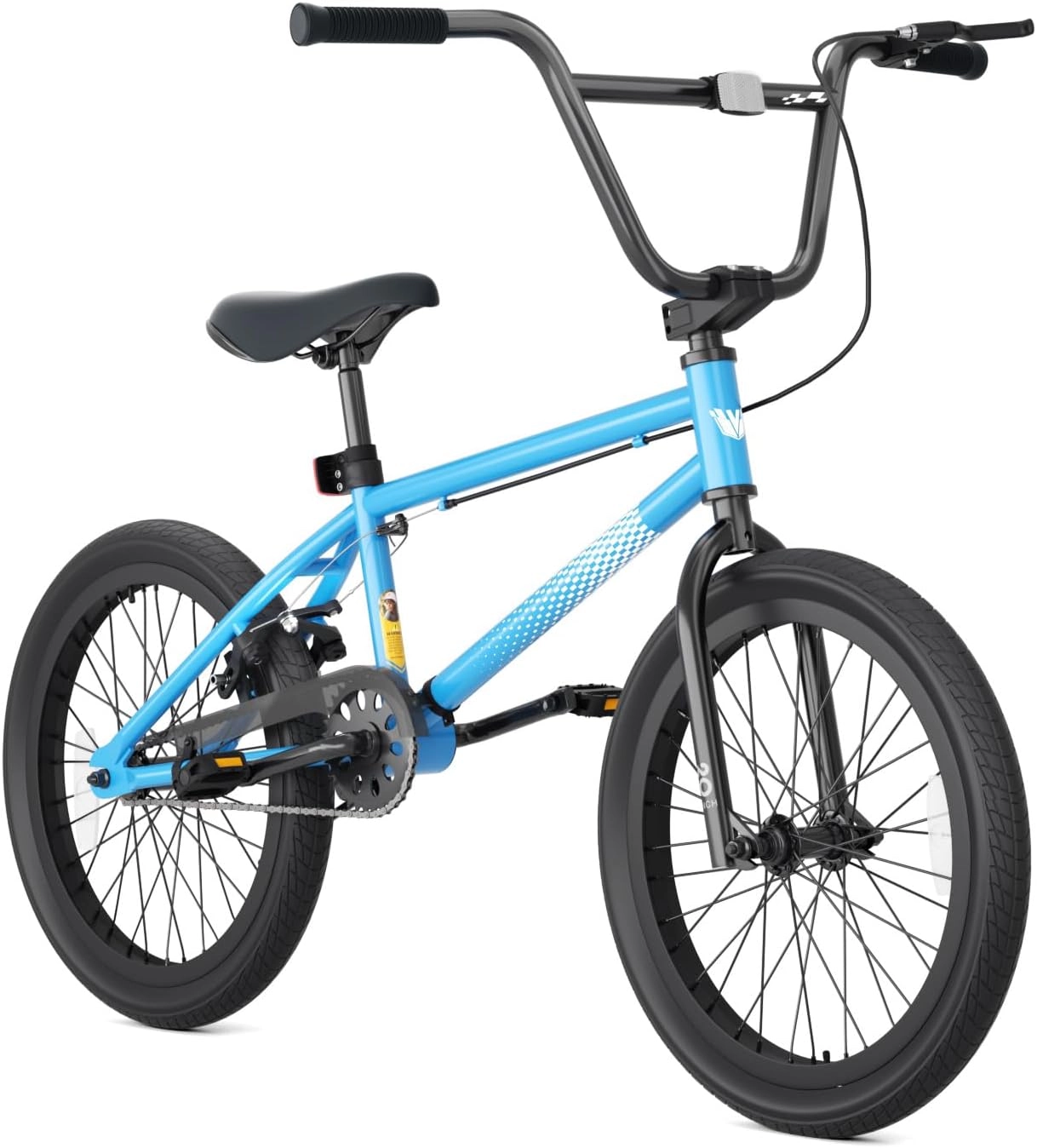
The XJD Black Kids BMX Bike with Training Wheels is a small single-speed example whose rear axle area can involve support-wheel and brake hardware. The XJD Blue 20-Inch Freestyle BMX Bike uses a different wheel and brake configuration. Their product pages make the central point visible: never transfer a chain-adjustment sequence or washer order between models without checking the exact manual.
Parent checklist
- Keep the child away from tools and moving drivetrain parts.
- Identify drivetrain, rear brake and axle hardware first.
- Use only model-specific tension and torque instructions.
- Verify wheel alignment, retention, chain guard and brakes afterward.
- Use a qualified bicycle mechanic whenever the setup is uncertain.
Editorial approach
This guide is based on the current XJD Bikes catalog, the fit and component information shown on the linked product pages, and conservative pre-ride practices. It does not replace the instructions supplied with the exact bicycle. Product specifications can change, so families should verify the selected option before use.
Frequently asked questions
How tight should a kids bike chain be?
The acceptable movement is model-specific. Use the exact manual or manufacturer guidance rather than a universal measurement from another bike.
Can I tighten the chain by pulling the rear wheel back?
Only when the bicycle's documented drivetrain uses that method. Geared systems and rear-axle brake or training-wheel hardware require different handling.
Why is the chain tight in one spot and loose in another?
A stiff link, sprocket condition, alignment or component runout may be involved. Stop adjusting by guess and have the drivetrain inspected.
Bottom line
how to tighten a kids bike chain is best answered by checking the individual child, the exact bicycle and the real riding area together. Choose present control over a future-growth guess, keep each practice step small and stop whenever fit, braking or equipment condition is uncertain.
Recommended products
-
Save 16%
XJD Kids BMX Bike with Training Wheels – Pink Blue
XJD Kids BMX Bike with Training Wheels – Pink Blue brings the recorded fit, ridi…
Kids' BMX Bikes Training Wheels Yes Single Speed 12 Inch -
Save 16%
XJD Kids BMX Bike with Training Wheels – Blue
XJD Kids BMX Bike with Training Wheels – Blue brings the recorded fit, riding an…
Kids' BMX Bikes Training Wheels Yes Single Speed 12 Inch -
Save 16%
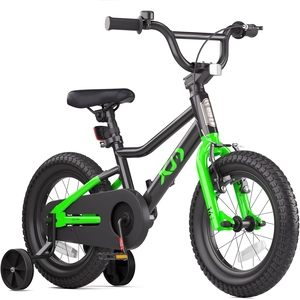
XJD Kids BMX Bike with Training Wheels – Black
XJD Kids BMX Bike with Training Wheels – Black brings the recorded fit, riding a…
Kids' BMX Bikes Training Wheels Yes Single Speed 12 Inch -
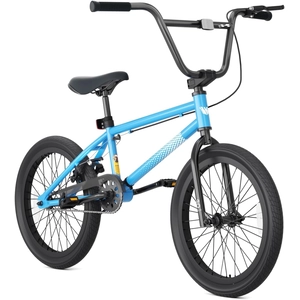
XJD 20-Inch Freestyle BMX Bike without Pegs – Blue
XJD 20-Inch Freestyle BMX Bike without Pegs – Blue brings the recorded fit, ridi…
Kids' BMX Bikes Training Wheels No Single Speed