Frayed Kids Bike Brake Cable: When to Stop Riding
A frayed kids bike brake cable can lose strength, snag inside its housing or injure a hand. It may appear near a lever, anchor bolt or exposed cable run, while hidden corrosion can develop inside damaged housing. Do not let a child ride on the remaining strands. Park the bicycle and inspect the complete brake system before arranging the exact compatible cable repair.
Find the damaged section safely
Without operating a visibly failing cable under high force, inspect from the lever through every housing stop to the brake. Look for broken wires, rust, kinks, flattened housing, split liners and missing end caps. Do not run bare fingers along the cable because sharp strands can puncture skin. Photograph routing and hardware before anything is moved.
Treat lever changes as evidence
A lever that suddenly travels farther, feels rough, does not return or pulls close to the grip can signal cable or brake trouble. Compare both brakes while the bike is stationary, but do not assume the other lever is the correct benchmark because front and rear systems may differ. Poor lever feel also calls for pad, arm, rim and attachment inspection.
Do not trim and continue riding
Cutting off a few loose strands, taping them down or tightening the anchor harder does not restore the cable's designed strength. Fraying often begins where repeated bending or incorrect clamping has damaged more wire than is immediately visible. Lubricant cannot repair broken strands and must never reach a rim or brake pad.
Replace cable and housing as a system
The correct inner cable end, diameter, housing type, ferrules, routing and anchor procedure depend on the brake and lever. A technician should decide whether housing also needs replacement and check the anchor surface for damage. The finished cable end needs an approved cap so it cannot unravel or scratch the rider, while excess length must not reach the wheel.
Verify both braking paths
After repair, an adult confirms secure cable routing through the full steering range, correct pad contact, suitable lever travel and wheel clearance. Test each brake separately and together at walking speed on dry level ground. Reinspect the anchor after initial use. Any slip, new strand separation, rubbing or inconsistent stop means the bike stays parked.
How current product examples clarify the choice
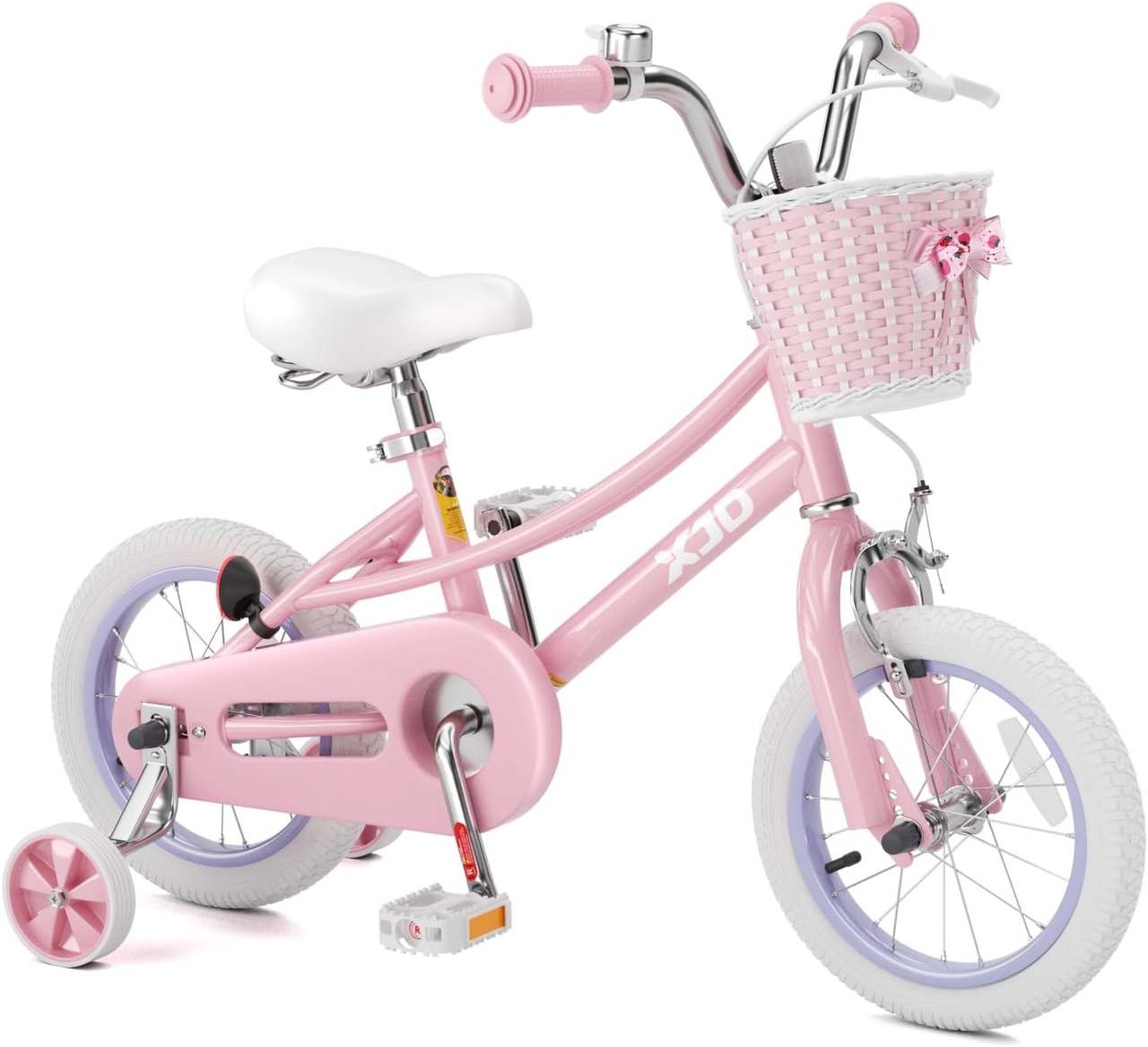
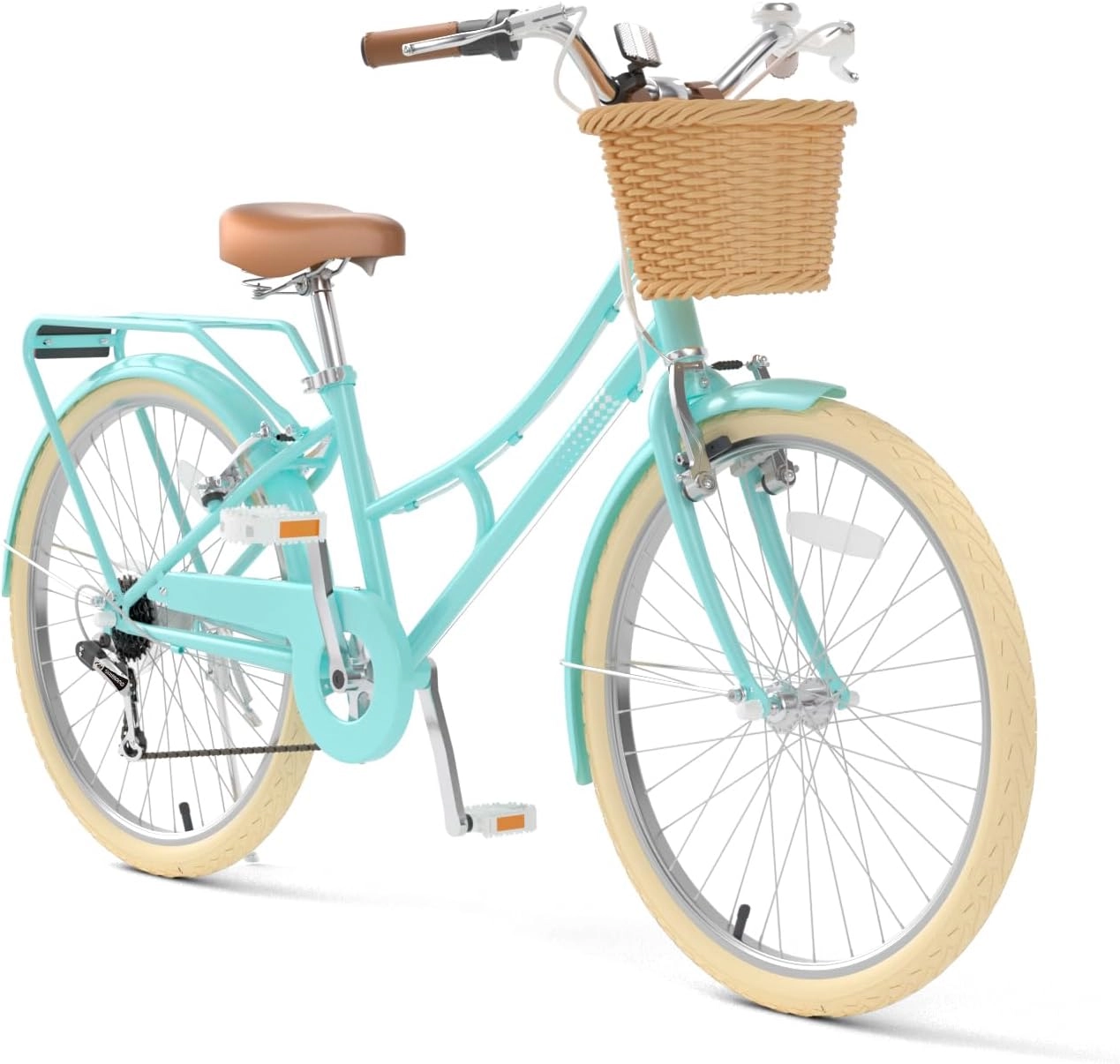
The XJD Pink Bike with Training Wheels and Basket and XJD Mint Green Beach Cruiser both use cable-operated rim brakes, but their control routing, wheel sizes and brake types are not interchangeable. The basket and rear-rack areas also add places where a cable must remain clear, so the exact model instructions govern parts and routing.
Practical checklist
- Park the bike when strands break.
- Inspect housing and anchors too.
- Never tape or trim as a repair.
- Test each brake after replacement.
Frequently asked questions
Can one broken brake-cable strand be ignored?
No. One broken strand shows cable damage has begun, and continued bending and braking can worsen it unpredictably.
Should I replace both brake cables at once?
Inspect both, but replacement decisions follow each cable's condition, age and manufacturer guidance; the damaged brake must be repaired before use.
Before making the final choice, revisit the exact route or driving area at the time it will normally be used. A setup that works during a quiet test may need more room, visibility or adult support when other people and everyday obstacles are present.
Bottom line
Use the answer to frayed kids bike brake cable as a decision process, not a shortcut. Confirm the live product data and manual, match the rider to the controls and setting, and favor repeatable control over a larger size or higher performance label.
Recommended products
-
Save 15%
XJD Girls Bike with Training Wheels & Basket – Light Pink
XJD Girls Bike with Training Wheels & Basket – Light Pink brings the recorde…
Training Wheel Bikes Training Wheels Yes Geared 14 Inch -
Save 13%
XJD Girls Bike with Training Wheels & Basket – Pink
XJD Girls Bike with Training Wheels & Basket – Pink brings the recorded fit,…
Training Wheel Bikes Training Wheels Yes Single Speed 12 Inch -
Save 16%
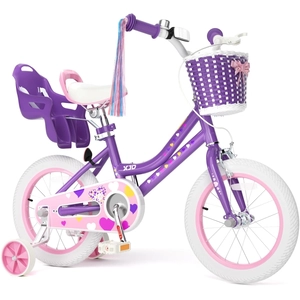
XJD Girls Bike with Training Wheels & Basket – Light Purple
XJD Girls Bike with Training Wheels & Basket – Light Purple brings the recor…
Training Wheel Bikes Training Wheels Yes Single Speed 12 Inch -
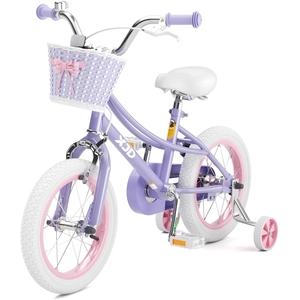
XJD Girls Bike with Training Wheels & Basket – Purple
XJD Girls Bike with Training Wheels & Basket – Purple brings the recorded fi…
Training Wheel Bikes Training Wheels Yes Single Speed 14 Inch