Kids Bike Training Wheels Uneven: A Setup Check
Kids bike training wheels uneven can make a bicycle lean at rest, rock abruptly in turns or lose dependable rear-tire contact. The cause may be the floor, bracket position, bent hardware or incorrect washer order rather than the child's balance. Keep the rider off the bike while an adult compares both sides with the exact assembly instructions.
Start on a reliable reference surface
Place the bicycle upright on a flat, firm floor, not grass, carpet or a sloped driveway. Confirm both main tires are inflated within their marked range. Compare the support wheels from behind and measure only as the manual directs. An uneven floor or soft rear tire can make correctly installed brackets appear different.
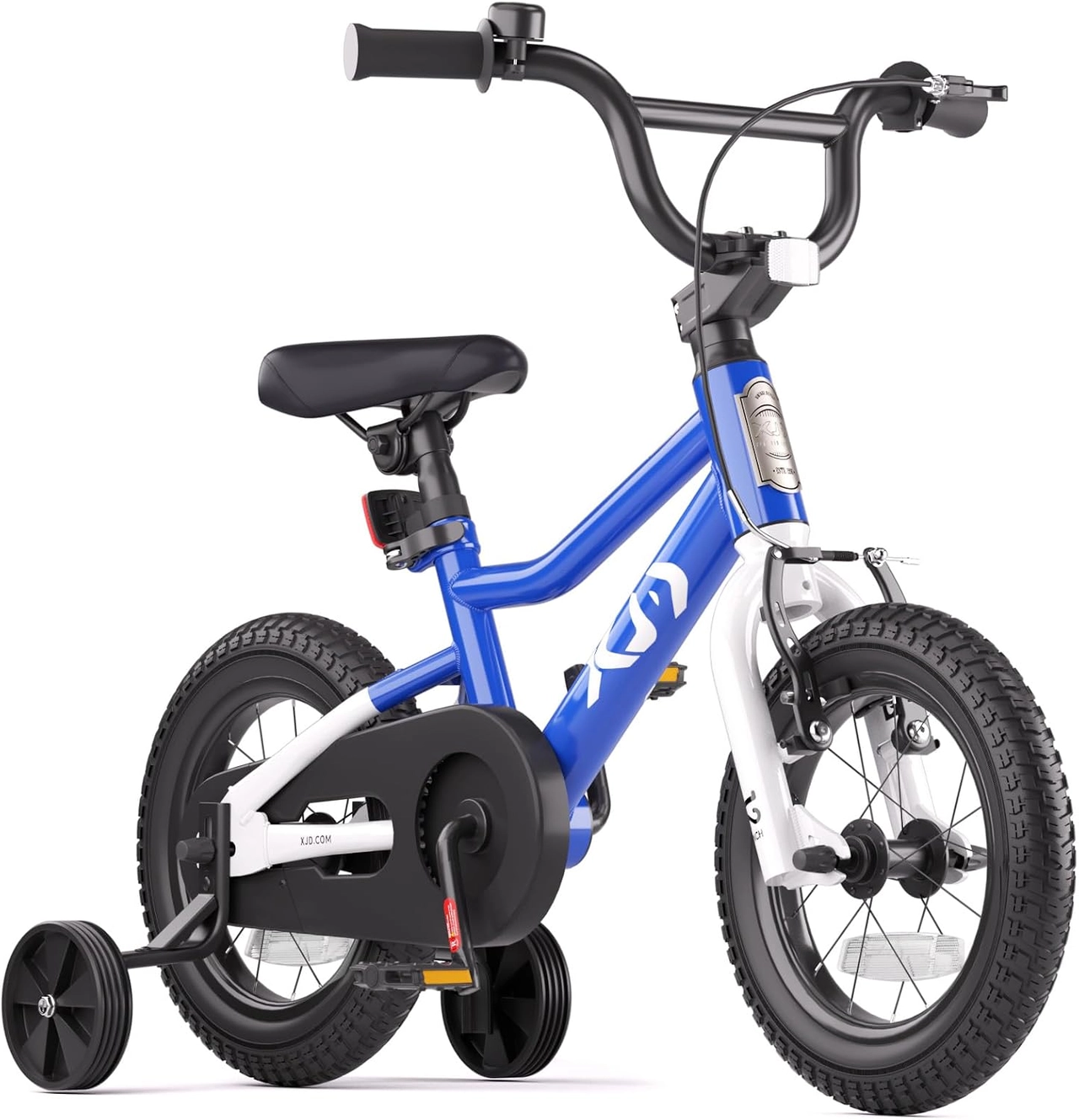
Compare bracket position and hardware
Check that left and right brackets occupy the approved holes or slots and point in the intended direction. Confirm every washer, anti-rotation plate and nut follows the diagram. Do not add spacers or reverse parts to make the heights look equal. A bracket that will not sit square may be bent or incompatible.
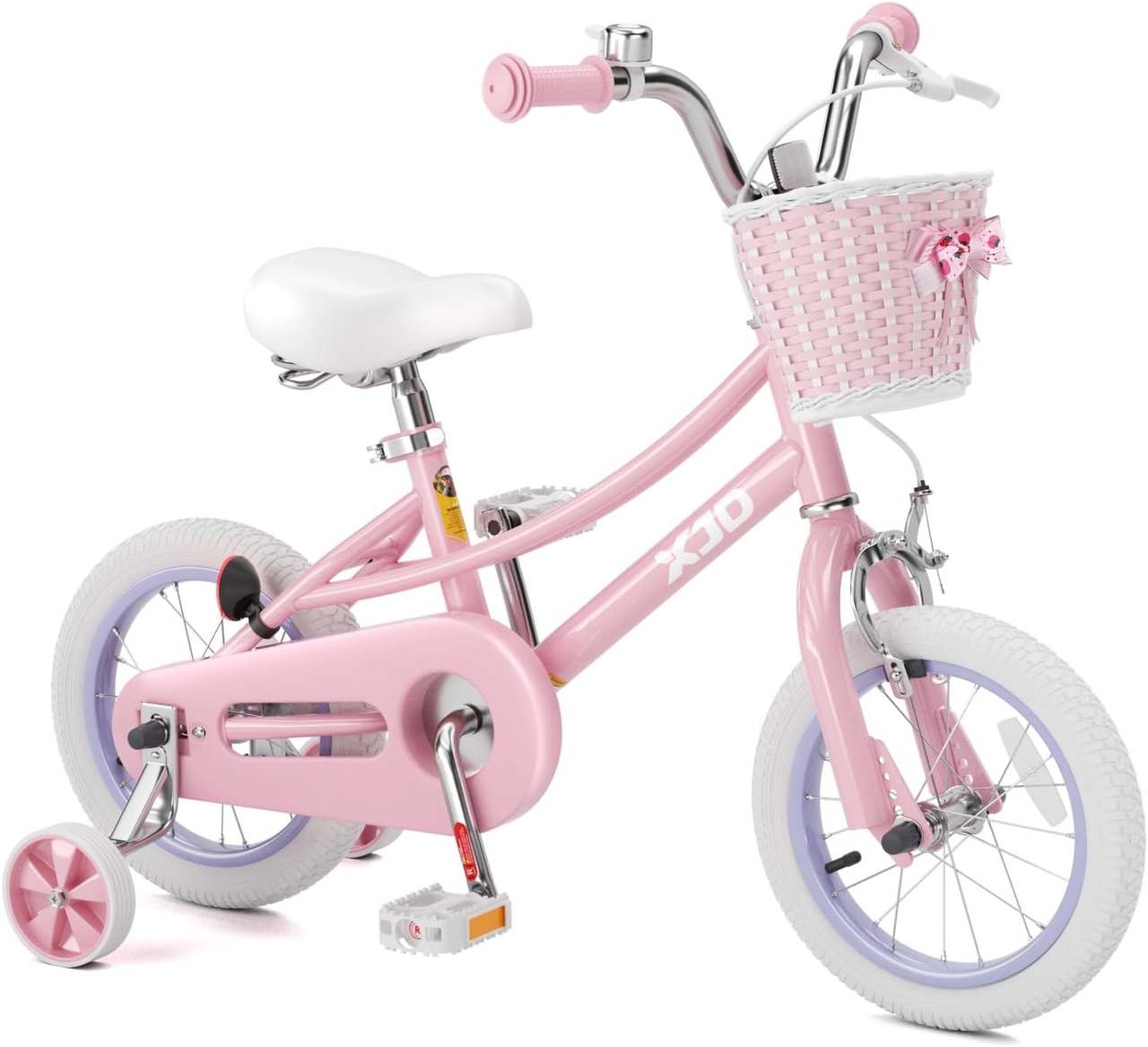
Protect rear-wheel traction
The main rear tire must remain securely seated and carry the load intended by the bicycle design. Training wheels set too low can unload it; supports set too high may allow excessive lean. There is no universal gap for every bike, so use the model specification rather than copying a measurement from another family.
Treat axle work as safety-critical
Many training-wheel brackets share the rear axle attachment. Loosening that area can change wheel alignment, chain tension and brake operation. Follow the exact tightening sequence and torque. Do not compensate for a crooked bracket by over-tightening one side. Missing, stripped or damaged hardware requires compatible replacement and professional inspection.
Run a controlled final check
After correction, gently rock the stationary bike both ways and watch for bracket movement, wheel wobble or contact with the chain, guard or frame. Verify rear-wheel retention and both brakes. A child may then try a short, straight, adult-supervised ride on level ground; continued leaning or clunking ends the test.
How current product examples clarify the choice
The XJD Blue Kids BMX Bike with Training Wheels and XJD Pink Bike with Training Wheels and Basket both offer small wheel-size configurations, but the selected size and supplied bracket determine setup. The basket also changes the visual balance of the pink bike, so judge alignment at the wheels and frame rather than by bodywork.
Practical checklist
- Use a flat reference floor.
- Match both bracket positions.
- Keep the rear tire loaded.
- Recheck axle, chain and brakes.
Frequently asked questions
Should both training wheels touch the ground at once?
Use the exact manual. Many designs specify controlled clearance, but the setting and measurement differ by bicycle and hardware.
Can I bend a training-wheel bracket straight?
Do not improvise a structural repair. Replace damaged hardware with compatible parts or have a bicycle technician assess it.
Before making the final choice, revisit the exact route or driving area at the time it will normally be used. A setup that works during a quiet test may need more room, visibility or adult support when other people and everyday obstacles are present.
Bottom line
Use the answer to kids bike training wheels uneven as a decision process, not a shortcut. Confirm the live product data and manual, match the rider to the controls and setting, and favor repeatable control over a larger size or higher performance label.
Recommended products
-
Save 15%
XJD Girls Bike with Training Wheels & Basket – Light Pink
XJD Girls Bike with Training Wheels & Basket – Light Pink brings the recorde…
Training Wheel Bikes Training Wheels Yes Geared 14 Inch -
Save 13%
XJD Girls Bike with Training Wheels & Basket – Pink
XJD Girls Bike with Training Wheels & Basket – Pink brings the recorded fit,…
Training Wheel Bikes Training Wheels Yes Single Speed 12 Inch -
Save 16%
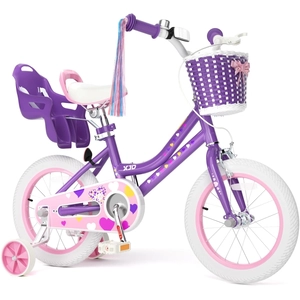
XJD Girls Bike with Training Wheels & Basket – Light Purple
XJD Girls Bike with Training Wheels & Basket – Light Purple brings the recor…
Training Wheel Bikes Training Wheels Yes Single Speed 12 Inch -
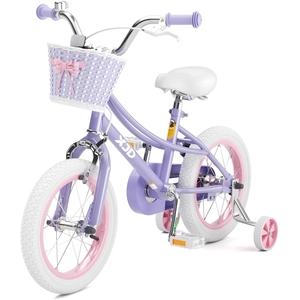
XJD Girls Bike with Training Wheels & Basket – Purple
XJD Girls Bike with Training Wheels & Basket – Purple brings the recorded fi…
Training Wheel Bikes Training Wheels Yes Single Speed 14 Inch