

How to Transport a Kids Bike in a Car Safely
Learning how to transport a kids bike in a car begins with measuring the assembled bicycle and the usable cargo opening. A wheel label cannot predict whether the handlebar, basket, rack or training wheels will fit. The goal is to keep the bicycle from becoming loose cargo and to avoid pressure on brakes, cables, wheels and painted surfaces.
Measure the real transport envelope
Record the bike's overall length, handlebar width and height with accessories installed, then measure the narrowest vehicle opening and usable interior space. Protect passenger seating and driver visibility. If the bicycle cannot lie or stand without forcing a door, choose an approved external carrier or a larger vehicle rather than compressing components.
Remove parts only when approved
A permitted front-wheel or pedal removal may save room, but every removal creates a reassembly obligation. Follow the exact manual, keep axle hardware and spacers together, and protect brake components. Do not turn a handlebar, lower a saddle or remove training wheels simply because an online video shows another bicycle.
Protect the sensitive contact points
Use clean padding between bicycles and vehicle surfaces without wrapping brake levers or cables under tension. Keep weight off the derailleur, basket, chain guard and wheel spokes. Separate loose wheels and tools so they cannot strike the frame. Never place heavy luggage on top of the bicycle.
Restrain the bicycle and loose parts
Use the vehicle or carrier maker's approved tie-down points and follow all load limits. Straps should control movement without crushing tubes or pinching controls. Nothing may shift toward passengers during sudden braking. Recheck an exterior carrier after the first short distance and at normal trip intervals.
Complete a post-trip safety check
Before the child rides, restore every removed part through its specified procedure. Confirm wheel retention, handlebar alignment, saddle position, tire condition, chain movement and both brakes. Look for a bent reflector, twisted cable or new rubbing. An adult performs a walking-speed stop test before the bike returns to normal use.
How current product examples clarify the choice
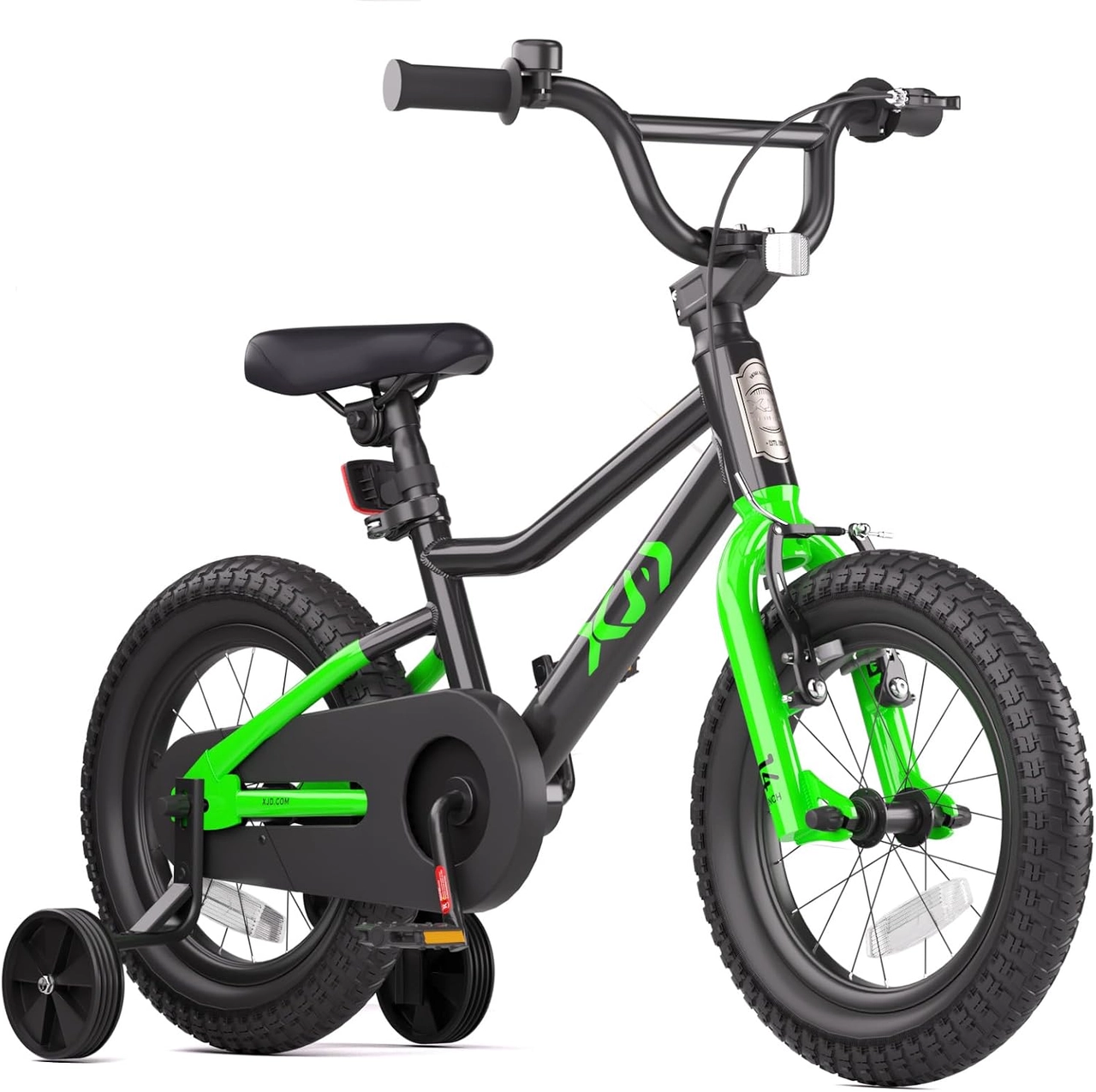
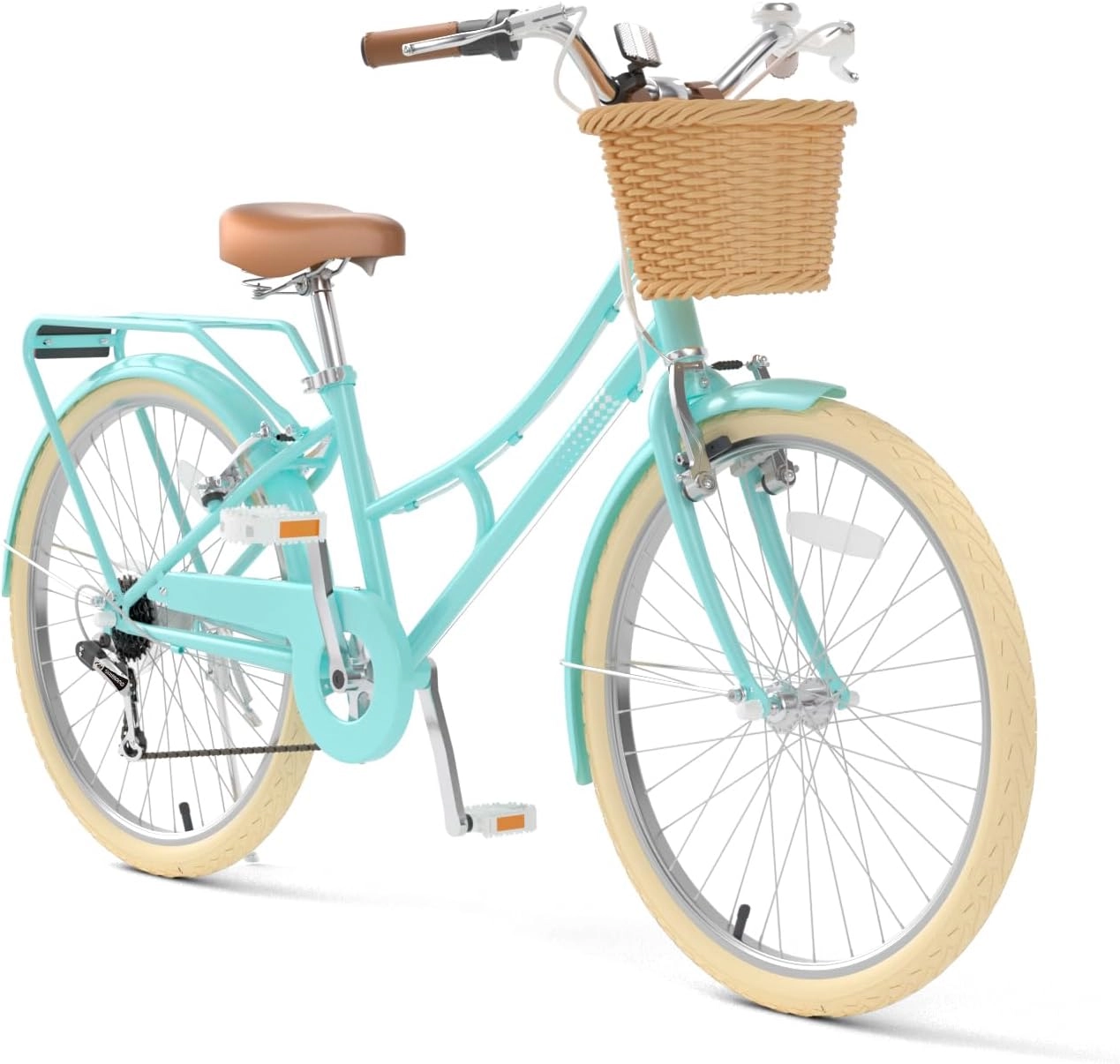
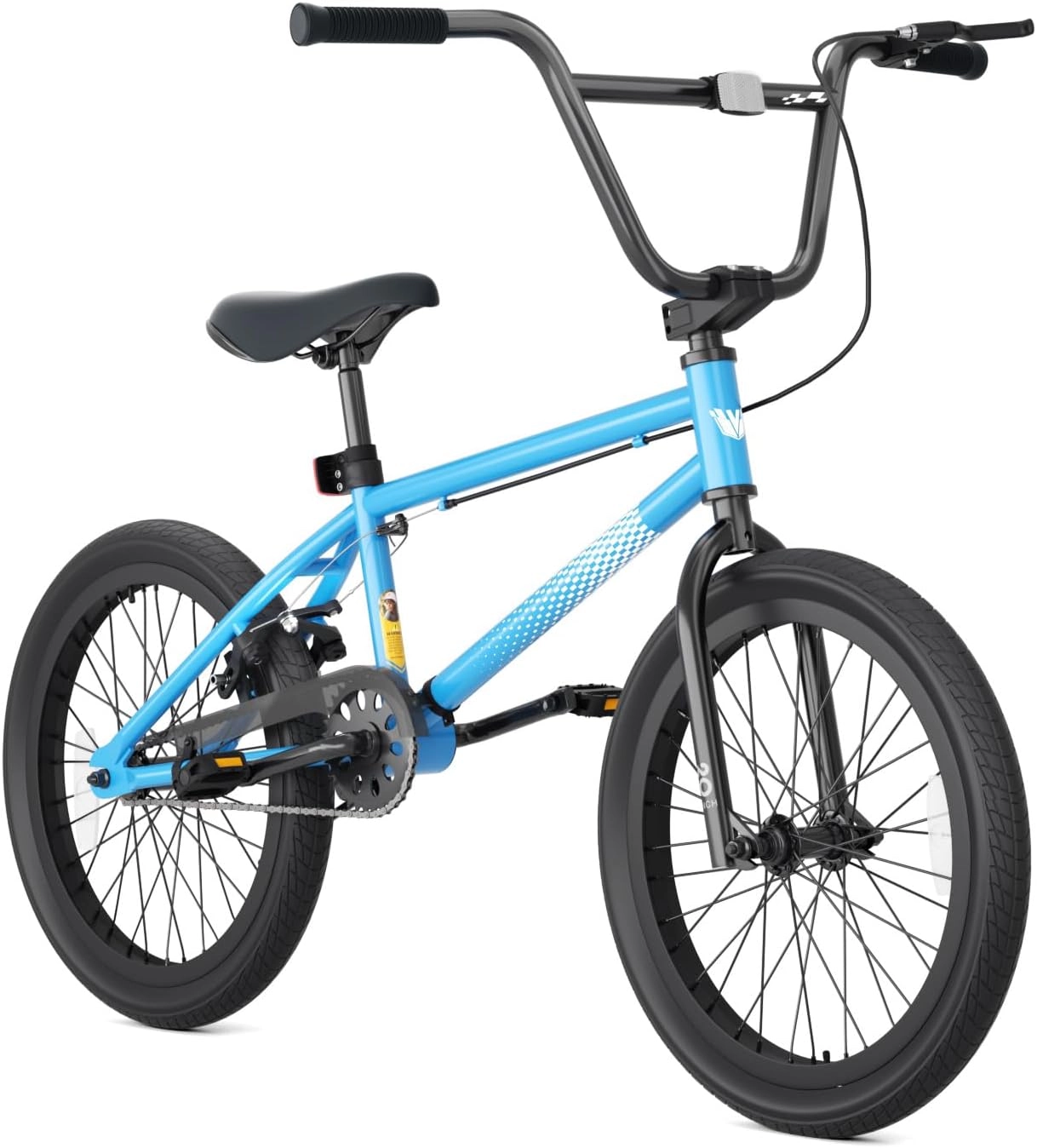
The XJD Black Kids BMX Bike with Training Wheels shows how side supports add width, while the XJD Mint Green Beach Cruiser includes gears and a rear rack that need protection from pressure. The XJD Blue 20-Inch Freestyle BMX Bike uses wide tires and U-brakes. These three current examples explain why transport planning must follow the complete bike rather than wheel diameter alone.
Practical checklist
- Measure the bicycle and vehicle first.
- Remove parts only by the exact manual.
- Secure the bike as cargo without crushing it.
- Test wheels, steering and brakes after travel.
Frequently asked questions
Can a kids bike go loose in the back seat?
No. It should be restrained through an approved cargo method and kept from passengers and driver controls.
Do I need to check the brakes after a short trip?
Yes. Loading pressure or a shifted cable can change braking even when the trip was brief.
Before making the final choice, revisit the exact route or driving area at the time it will normally be used. A setup that works during a quiet test may need more room, visibility or adult support when other people and everyday obstacles are present.
Bottom line
Use the answer to how to transport a kids bike in a car as a decision process, not a shortcut. Confirm the live product data and manual, match the rider to the controls and setting, and favor repeatable control over a larger size or higher performance label.
Bikes for your next adventure
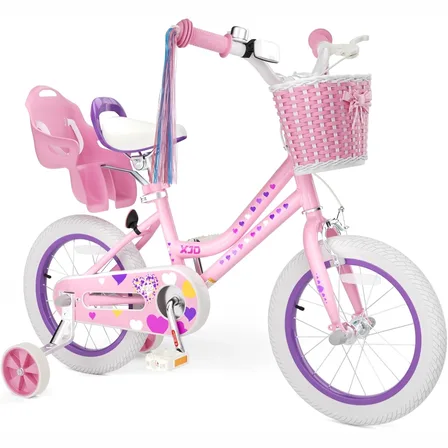
XJD Girls Bike with Training Wheels & Basket – Light Pink
7 reviews
XJD Girls Bike with Training Wheels & Basket – Light Pink brings the recorde…$109.99
$129.99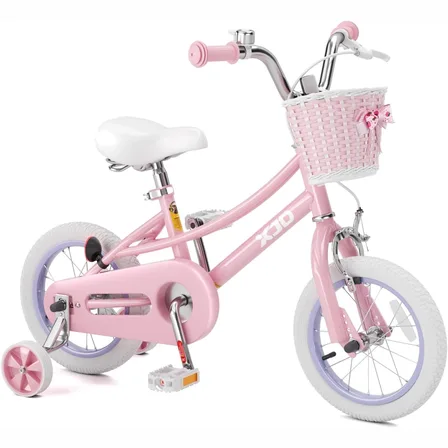
XJD Girls Bike with Training Wheels & Basket – Pink
23 reviews
XJD Girls Bike with Training Wheels & Basket – Pink brings the recorded fit,…$65.99
$75.99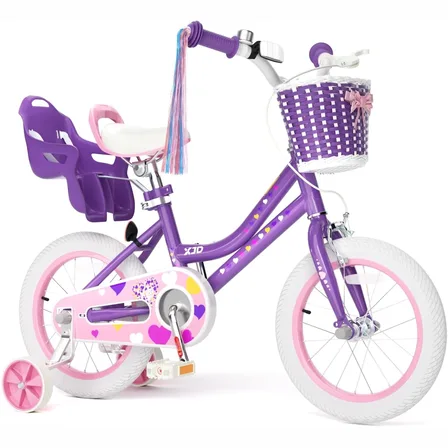
XJD Girls Bike with Training Wheels & Basket – Light Purple
XJD Girls Bike with Training Wheels & Basket – Light Purple brings the recor…$99.99
$119.99