

Kids Bike Seat Keeps Slipping: How to Check It Safely
When a kids bike seat keeps slipping, the saddle may drop vertically, rotate from side to side or tilt at its rails. Each movement points to a different interface, and repeatedly overtightening the nearest bolt can damage the clamp, post or frame. Stop riding, mark the current position and identify whether the post, saddle clamp or rail connection is actually moving.
Find the moving joint
Hold the frame stable and apply light hand pressure to the saddle with no child on the bicycle. Watch the seatpost where it enters the frame, the clamp around the frame and the hardware beneath the saddle. A small piece of removable tape can show whether the post descends. Do not exceed gentle pressure or continue if a crack or bend is visible.
Respect the insertion and adjustment marks
The seatpost must remain within every minimum-insertion and maximum-height mark stated by the post and bicycle. A saddle raised beyond its safe range may rotate or damage the frame even if the clamp feels tight. If the child needs more height than the approved range provides, the answer is a better-fitting bicycle, not a longer unapproved post.
Check compatibility and cleanliness
Confirm the post diameter, clamp type and saddle hardware belong to the exact bike. Dirt, old grease or an incorrect part can affect clamping, but surface preparation depends on the frame and post materials. Follow the manual for cleaning and any approved assembly compound. Never add tape, shims cut from cans or abrasive material as a shortcut.
Use the specified tightening method
Some clamps use a bolt and nut; others use a lever. Close or tighten only through the stated procedure and torque, keeping the saddle aligned with the frame. More force is not always safer. A bolt that turns without securing, stripped threads, a cracked collar or a lever that cannot close normally requires the correct replacement or professional service.
Recheck fit after the repair
Once the saddle stays fixed, confirm the child's feet and knees work within the intended fit guidance and that the saddle is level as specified. An adult should check steering and brakes because fit changes can alter control. Repeat the light hand test before each of the first few rides and after transport or a fall.
How current product examples clarify the choice
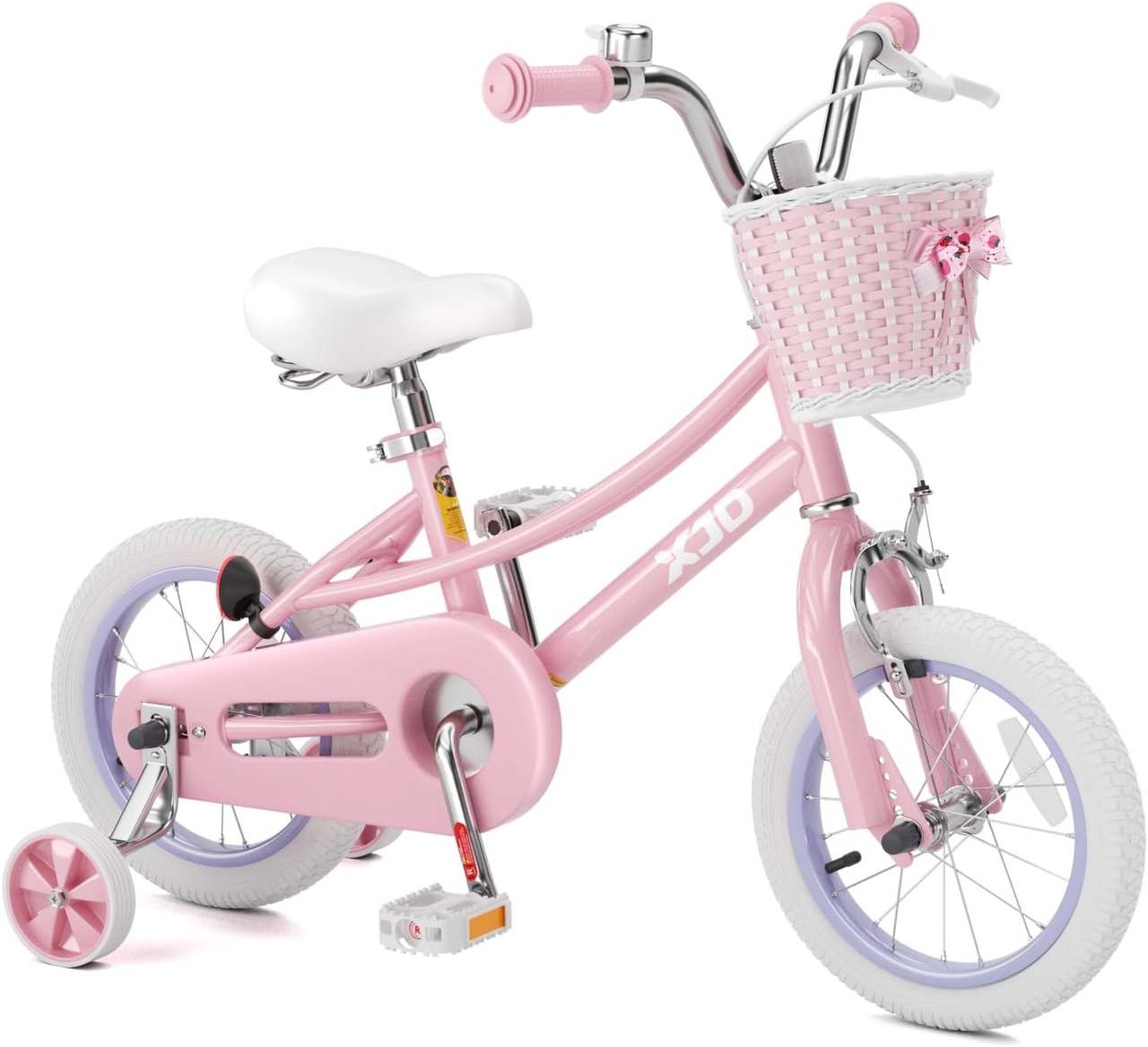
The XJD Pink Bike with Training Wheels and Basket is offered in several wheel sizes with an adjustable saddle and handlebar. It is a useful example because adjustment range is part of choosing the selected size, but those adjustments must remain inside marked limits. A slipping seat is a maintenance problem, not extra growing room.
Practical checklist
- Identify whether the post, clamp or rails move.
- Keep the seatpost inside its marked limits.
- Use only compatible parts and specified torque.
- Repeat the fit and control check afterward.
Frequently asked questions
Why does my child's bike seat turn sideways?
The post clamp may be loose, damaged or incompatible, but the exact cause should be identified before tightening.
Can I use tape around a loose seatpost?
No. An improvised shim can slip or damage the frame; verify the correct post and clamp with the manufacturer or a bike shop.
Before making the final choice, revisit the exact route or driving area at the time it will normally be used. A setup that works during a quiet test may need more room, visibility or adult support when other people and everyday obstacles are present.
Bottom line
Use the answer to kids bike seat keeps slipping as a decision process, not a shortcut. Confirm the live product data and manual, match the rider to the controls and setting, and favor repeatable control over a larger size or higher performance label.
Bikes for your next adventure
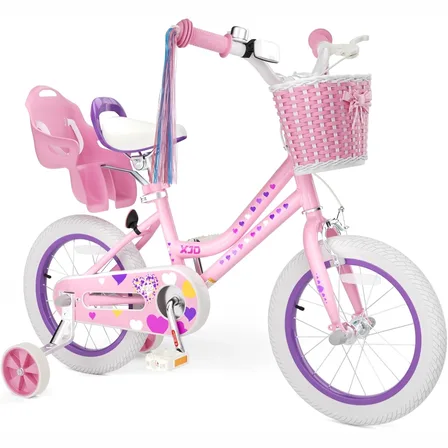
XJD Girls Bike with Training Wheels & Basket – Light Pink
7 reviews
XJD Girls Bike with Training Wheels & Basket – Light Pink brings the recorde…$109.99
$129.99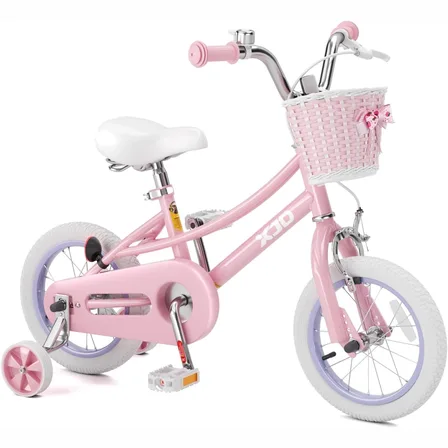
XJD Girls Bike with Training Wheels & Basket – Pink
23 reviews
XJD Girls Bike with Training Wheels & Basket – Pink brings the recorded fit,…$65.99
$75.99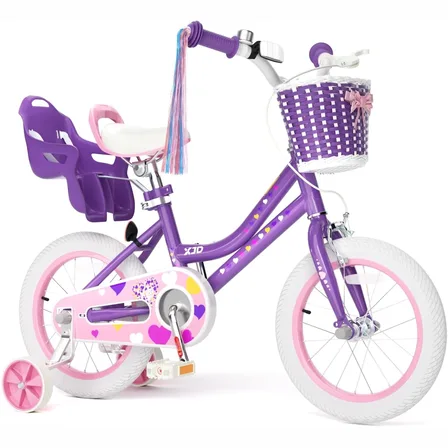
XJD Girls Bike with Training Wheels & Basket – Light Purple
XJD Girls Bike with Training Wheels & Basket – Light Purple brings the recor…$99.99
$119.99