

Kids Bike Pedals Won't Turn: Causes to Check First
When kids bike pedals won't turn, stop pushing them harder. The resistance may come from the chain or guard, a brake that remains engaged, a jammed rear wheel, damaged crank parts or a pedal fitted incorrectly. Forcing the crank can bend parts or pull fingers toward the chain. Begin with the child off the bicycle and use stable support.
Clarify what will not move
Ask whether one pedal will not rotate around its own spindle, both crank arms will not turn, or the cranks turn but the rear wheel does not. These are different mechanisms. Note whether the problem appeared after assembly, a fall, transport or chain service. Do not ride downhill or stand on the pedal to overcome the resistance.
Look for an external obstruction
With the bicycle stationary, inspect around both pedals, crank arms, chain guard and rear wheel for packaging, a strap, shoelace, twig or shifted plastic part. Remove only loose material that is safely reachable. Never put a hand into the chain path while turning the other pedal, and do not remove a safety guard without following the manual.
Check whether a brake is holding
Observe whether a rim pad stays against the rim or the wheel stops immediately when moved through the approved test. A coaster-brake bicycle may resist if the drivetrain or rear hub is assembled incorrectly. Brake service affects stopping safety, so a cable, arm or hub that binds should be diagnosed through the exact instructions or by a technician.
Inspect chain and crank clues
Look for a chain wedged between parts, a stiff link, severe rust, an off-center guard, a loose crank or a pedal that sits at an angle. Remember that left and right pedals use different thread directions on many bicycles. Cross-threaded or damaged parts should not be forced back into place; the crank may need professional replacement.
Return to riding only after a full check
After an approved repair, an adult slowly rotates the crank through several complete turns, checks both wheels, confirms the chain guard clearance and operates every brake. Listen for a tight spot, click or scrape. The child returns only for a short level-ground test when pedaling and stopping remain smooth and predictable.
How current product examples clarify the choice
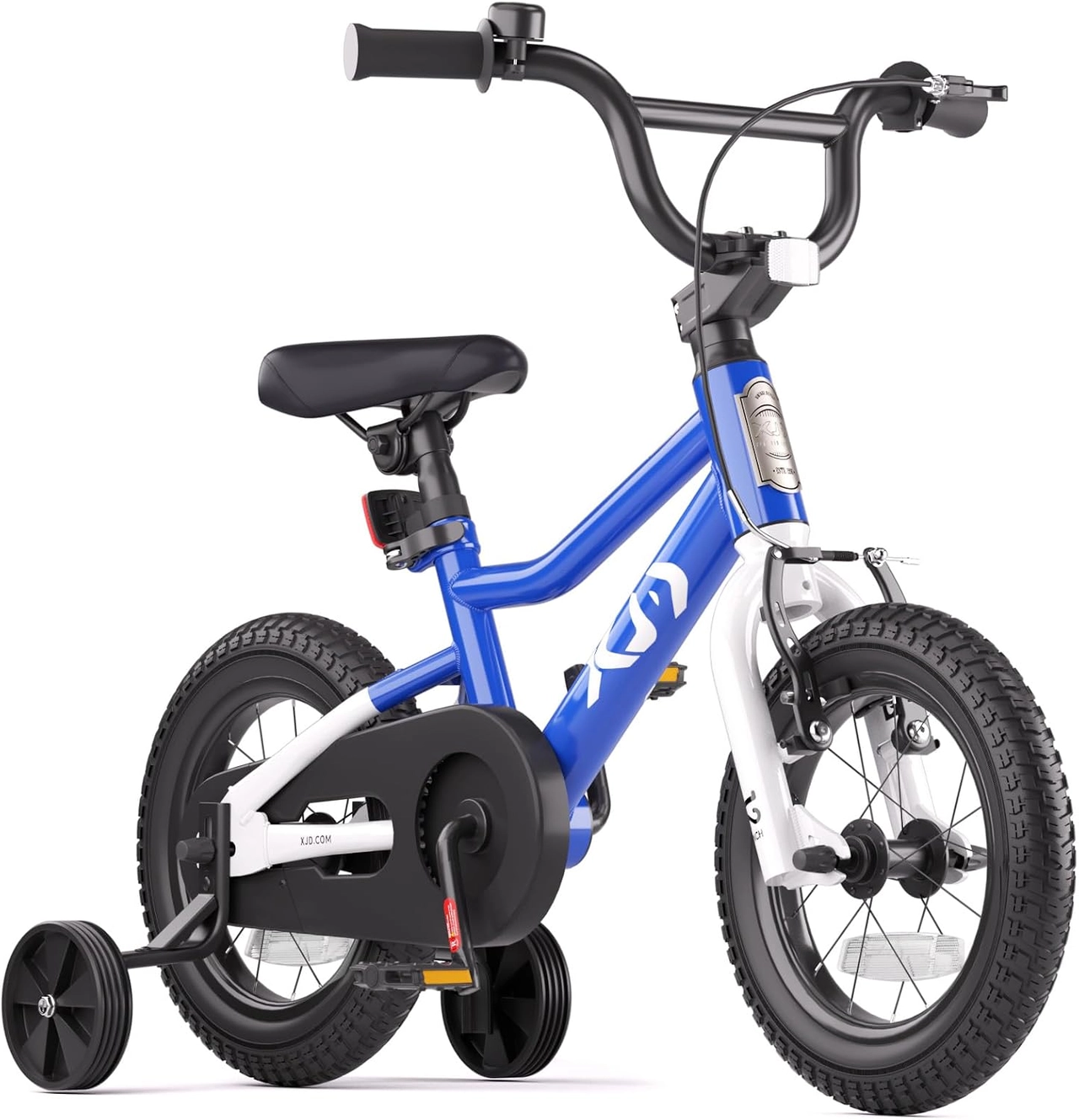
The XJD Blue Kids BMX Bike with Training Wheels combines a single-speed drivetrain, enclosed chain guard, front caliper brake and rear coaster brake. That current configuration is helpful context because resistance at the pedals can involve more than the pedal itself. The guard, chain, rear hub and both braking methods need to be considered together.
Practical checklist
- Do not force a stopped crank.
- Separate pedal, crank and rear-wheel symptoms.
- Inspect only with stable support and hands clear.
- Test pedaling and both brakes after service.
Frequently asked questions
Why does one bike pedal spin but the cranks do not?
The pedal bearing or its crank connection may be involved; stop using it and inspect for looseness, cross-threading or damage.
Can a tight brake stop the pedals from turning?
Yes, brake or rear-hub resistance can load the drivetrain, but the brake must be correctly diagnosed before riding.
Before making the final choice, revisit the exact route or driving area at the time it will normally be used. A setup that works during a quiet test may need more room, visibility or adult support when other people and everyday obstacles are present.
Bottom line
Use the answer to kids bike pedals won't turn as a decision process, not a shortcut. Confirm the live product data and manual, match the rider to the controls and setting, and favor repeatable control over a larger size or higher performance label.
Bikes for your next adventure
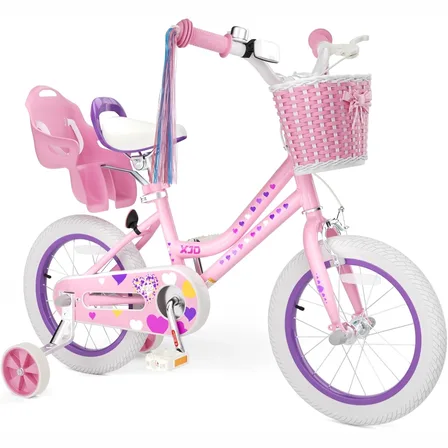
XJD Girls Bike with Training Wheels & Basket – Light Pink
7 reviews
XJD Girls Bike with Training Wheels & Basket – Light Pink brings the recorde…$109.99
$129.99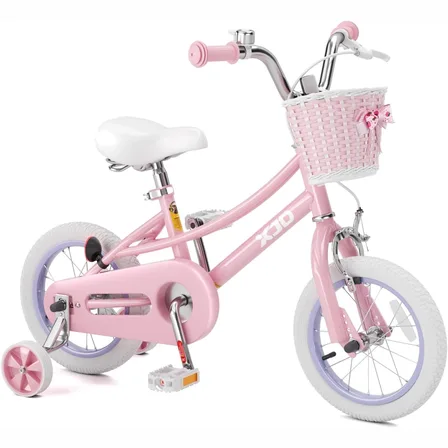
XJD Girls Bike with Training Wheels & Basket – Pink
23 reviews
XJD Girls Bike with Training Wheels & Basket – Pink brings the recorded fit,…$65.99
$75.99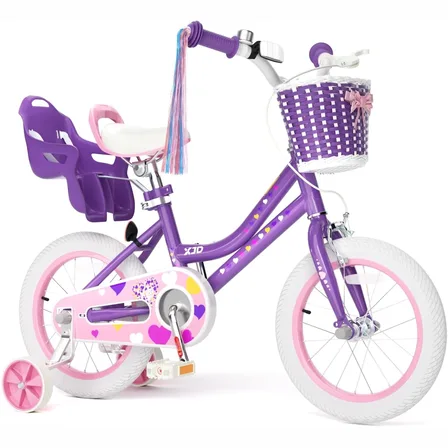
XJD Girls Bike with Training Wheels & Basket – Light Purple
XJD Girls Bike with Training Wheels & Basket – Light Purple brings the recor…$99.99
$119.99