

Kids Bike Riding Precautions: A Parent's Guide to 20 Inch Bikes
A 20 inch bike is the gateway to real cycling: longer rides, gears, hand brakes and the first taste of genuine independence. It is also the size where mistakes get more expensive — kids ride farther, faster and closer to traffic than they did on 12 or 16 inch bikes. The precautions in this guide are built around that transition, and they apply whether your child rides a sporty BMX or the pink XJD Beach Cruiser with Rear Rack shown above, one of the most popular 20 inch setups we sell.
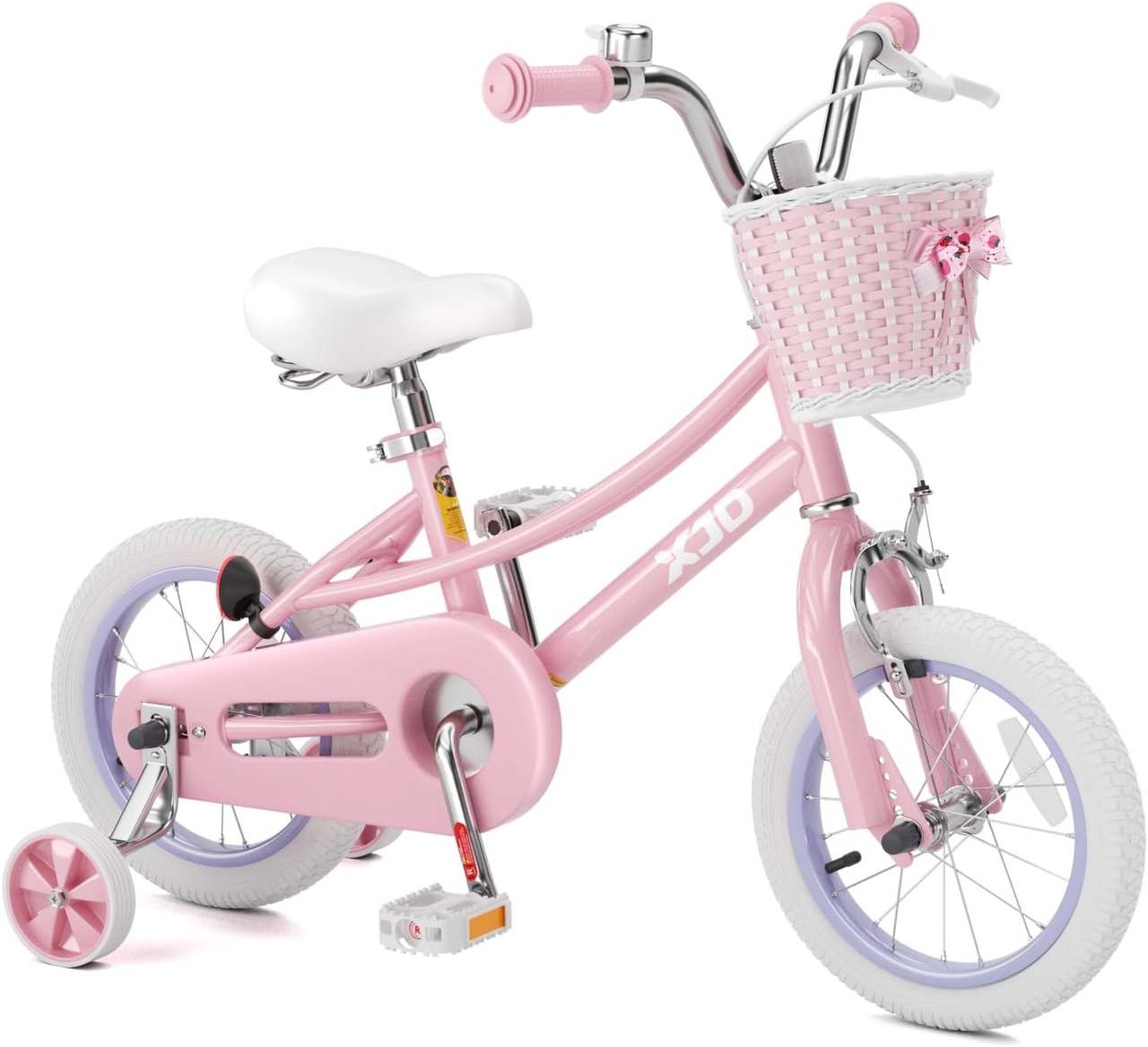
If you are still deciding whether your child is ready for 20 inch wheels, start with our 20 inch kids bikes collection. This guide assumes the bike is bought or chosen; its job is the safety layer that comes next.
Why 20 Inch Bikes Change the Safety Math
Up to 16 inches, most kids ride training-wheel loops around a driveway. At 20 inches, the world opens: bike paths, sidewalks that end at real intersections, and speeds that outrun a walking parent. Three things change at once:
- Speed doubles. A confident child on a 20 inch bike travels two to three times faster than on a balance bike, with a stopping distance to match.
- Gears arrive. Shifting adds a cognitive load — new riders forget to brake while hunting for the right gear.
- Range expands. Kids reach streets, driveways and intersections that were previously out of reach.
None of this is a reason to wait. It is a reason to prepare. The precautions below turn that new capability into controlled freedom.
The Helmet Rule, Enforced Every Ride
A properly fitted helmet reduces the risk of serious head injury dramatically, and fit matters more than price. The helmet should sit level — one or two finger-widths above the eyebrows — and stay still when your child shakes their head side to side. The classic test: with the strap buckled, your child should be able to open their mouth wide and feel the helmet press down on top of the head.
Replace any helmet after a crash, even if it looks fine. Helmets are designed to absorb one impact. And model the behavior you want: if parents wear helmets, kids wear helmets — for life. If you need one, browse our kids' helmet options sized to match 20 inch riders.
Fit the Bike Before Every Season, Not Just Once
Children grow fast, and a bike that fit in April can be dangerous by October. Two checks matter most:
- Standover height. With feet flat on the ground, your child should clear the top tube by at least an inch. On a step-through frame like the pink XJD cruiser, check that both feet plant firmly.
- Seat height. With the ball of the foot on the pedal at its lowest position, the knee should stay slightly bent. A leg at full extension means the saddle is too high.
Our full sizing guidance lives in the 20 inch bikes collection page — the quick version: 20 inch wheels typically fit riders 48 to 60 inches tall, roughly ages 6 to 9, but height beats age every time.
Hand Brakes: Teach Stopping Before Starting
Most 20 inch bikes introduce hand brakes, and many kids have never used them. Before the first real ride, spend one full practice session on braking alone:
- Walk beside the bike and have your child squeeze the rear brake, then the front, then both — learning the feel of each
- Practice panic stops in a grassy field: pedal hard, then stop as fast as possible without skidding
- Teach the golden rule: rear brake first, front brake second. Grabbing only the front brake at speed is the classic over-the-bars fall
A child who has drilled stops fifty times in a field has a calmer first ride on pavement than a child who was simply told "squeeze the levers."
Gears Without the Guesswork
If the 20 inch bike has gears — the pink XJD cruiser line offers geared drivetrains — keep early rides in one middle gear and resist teaching full shifting until braking is automatic. Then teach two rules only:
- Shift before hills, not on them — a drivetrain under load shifts badly
- When in doubt, stop and walk the bike up; pride recovers faster than a chain
Numbered gears confuse children; "easier" and "harder" do not. Keep the language simple until the habit is solid.
Where a 20 Inch Bike May and May Not Ride
Location rules protect better than any equipment. For the first season on 20 inch wheels:
- Green light: bike paths, empty tennis courts, quiet cul-de-sacs, parks with closed loops
- Yellow light: sidewalks that cross driveways — teach the stop-and-look at every one
- Red light: streets with traffic, hills toward intersections, paths that cross parking lot entrances
Children under about age ten cannot reliably judge car speed — their brains genuinely process it differently. That is why the supervision rule below exists, and why our seven bike safety rules for kids put "stop at every road, every time" near the top. Memorized rules do the thinking their developing judgment cannot yet do.
Supervision That Actually Supervises
On early 20 inch rides, an adult rides along — behind and slightly to the traffic side, where you can see both the road ahead and your child's line. Your jobs:
- Call out hazards by name: "gravel!", "car backing!", "door!" — building your child's hazard vocabulary
- Watch the eyes, not just the bike: a child looking down at their gears is not looking at the path
- End the ride before exhaustion does; tired riders wobble into exactly the mistakes they avoid when fresh
Fifteen to thirty minutes is a right-sized early session. Independence is earned in stages: ride-along first, then watching from a fixed point, then a loop you have ridden together a dozen times.
Clothing and Gear Details That Matter
- Closed-toe shoes. Sneakers with firm soles; no sandals, no Crocs, no loose laces
- Snug clothing. Drawstrings, scarves and flowing skirts can catch in a chain or spokes
- Pant leg tucked or strapped on the chain side — the classic grease stripe is the lucky version of this mistake
- Bright colors. The pink frame helps here: it is genuinely visible. Add a light and reflectors for any dusk riding
A bike with a rear rack, like the pink cruiser above, invites backpacks and cargo. Keep loads small and low; a heavy high load changes handling in ways new riders do not expect.
The Pre-Ride Thirty-Second Check
Teach your child this sequence until it is automatic — it is the habit that outlasts every rule you enforce:
- Tires firm, no cracks (pinch test)
- Brakes stop the wheel when pushed and levers do not pull to the bar
- Chain on, lightly oiled, not rusted
- Seat and handlebar clamps tight — twist test
- Helmet on and buckled
Our printable version with photos is in the kids bike safety checklist. Thirty seconds, every ride, for life — the cheapest insurance in cycling.
After Every Fall
Falls happen; the response is what matters. Check the child first — head, then collarbone, then limbs — before touching the bike. Any head impact with symptoms (dizziness, nausea, confusion, repeated vomiting) means a doctor visit, and the helmet is retired regardless of how it looks. Then check the bike: brake alignment, handlebar rotation, wheel trueness. A bike that crashes can steer differently than it did before.
The Bottom Line
A 20 inch bike is the start of real cycling freedom, and it is safe exactly to the degree that parents prepare the rider, not just buy the bike. Fit the bike each season, drill the braking, stage the independence, and keep the helmet non-negotiable. Do that, and the pink cruiser in the driveway becomes what it should be: years of healthy, confident riding. Browse the full range in our girls bikes and kids bike collections.
Bikes for your next adventure
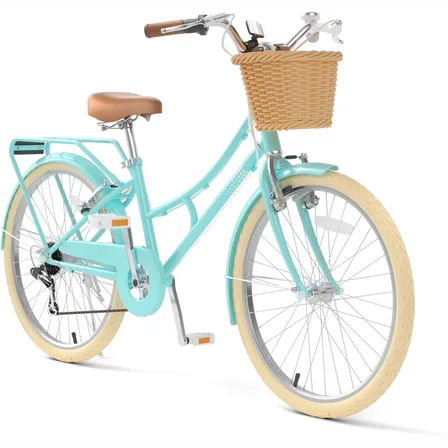
XJD Beach Cruiser Bike with Rear Rack & V-Brake – Mint Green
8 reviews
XJD Beach Cruiser Bike with Rear Rack & V-Brake – Mint Green brings the reco…$179.99
$209.99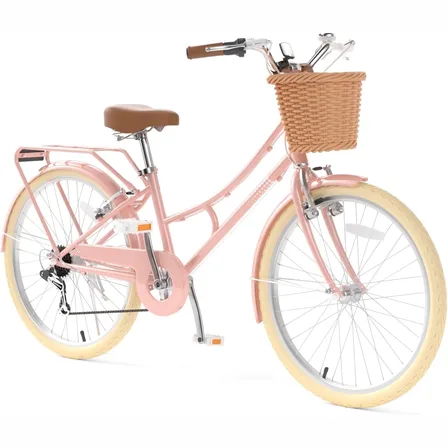
XJD Beach Cruiser Bike with Rear Rack & V-Brake – Pink
4 reviews
XJD Beach Cruiser Bike with Rear Rack & V-Brake – Pink brings the recorded f…$179.99
$209.99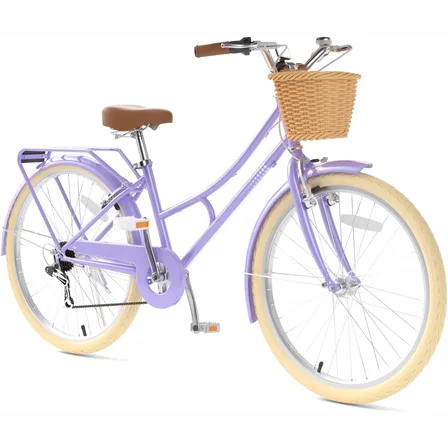
XJD Beach Cruiser Bike with V-Brake – Purple, 26-Inch
XJD Beach Cruiser Bike with V-Brake – Purple, 26-Inch brings the recorded fit, r…$218.49
$229.99