Kids Bike Brake Pads Touching Tire: Stop and Check
Kids bike brake pads touching tire is a stop-riding problem because repeated contact can cut or abrade the sidewall instead of gripping the rim's braking track. The pad may be mounted too high, the wheel may be seated incorrectly, or brake hardware may have shifted. Do not test the bicycle under a child until the tire and complete brake are inspected.
Identify where the pad lands
With the bicycle stationary, apply the brake gently and view each pad from the side. It should meet only the intended rim braking surface and remain below the tire. Compare front and rear but identify their brake types separately. Mark any sidewall scuff, cut, or rubber debris. Do not continue squeezing against a damaged tire to judge stopping power.
Inspect tire damage before adjustment
Deflate or remove the wheel only through the approved method and check the touched area for cuts, thinning, bulges, exposed casing, or bead damage. A brake adjustment does not restore a compromised sidewall. Replace a structurally damaged tire with the full compatible size, and never cover a cut with glue, tape, or an external patch.
Confirm the wheel is correctly seated
A crooked axle or incomplete quick-release installation can move the rim and tire relative to the pads. Compare retention hardware and dropout seating with the manual before changing pad position. Do not loosen one axle side by guesswork. Rear-wheel seating can also affect chain tension or gears and requires a complete alignment and torque check.
Set pad height with the exact brake method
Pad washers, arms, and studs create an adjustment range that differs among caliper, V-brake, and U-brake designs. The pad face must remain tangent to the rim track and secure at specified torque. Do not bend an arm or remove washers to gain clearance. Worn, cracked, or contaminated pads require compatible replacement.
Test clearance and stopping together
After qualified correction, rotate the wheel through several revolutions and apply the brake repeatedly. Confirm pads clear the tire at rest and under braking, the wheel releases, and the lever stops before the grip. An adult performs walking and low-speed tests on dry level ground. Any pad migration or new sidewall mark keeps the bike parked.
How current product examples clarify the choice
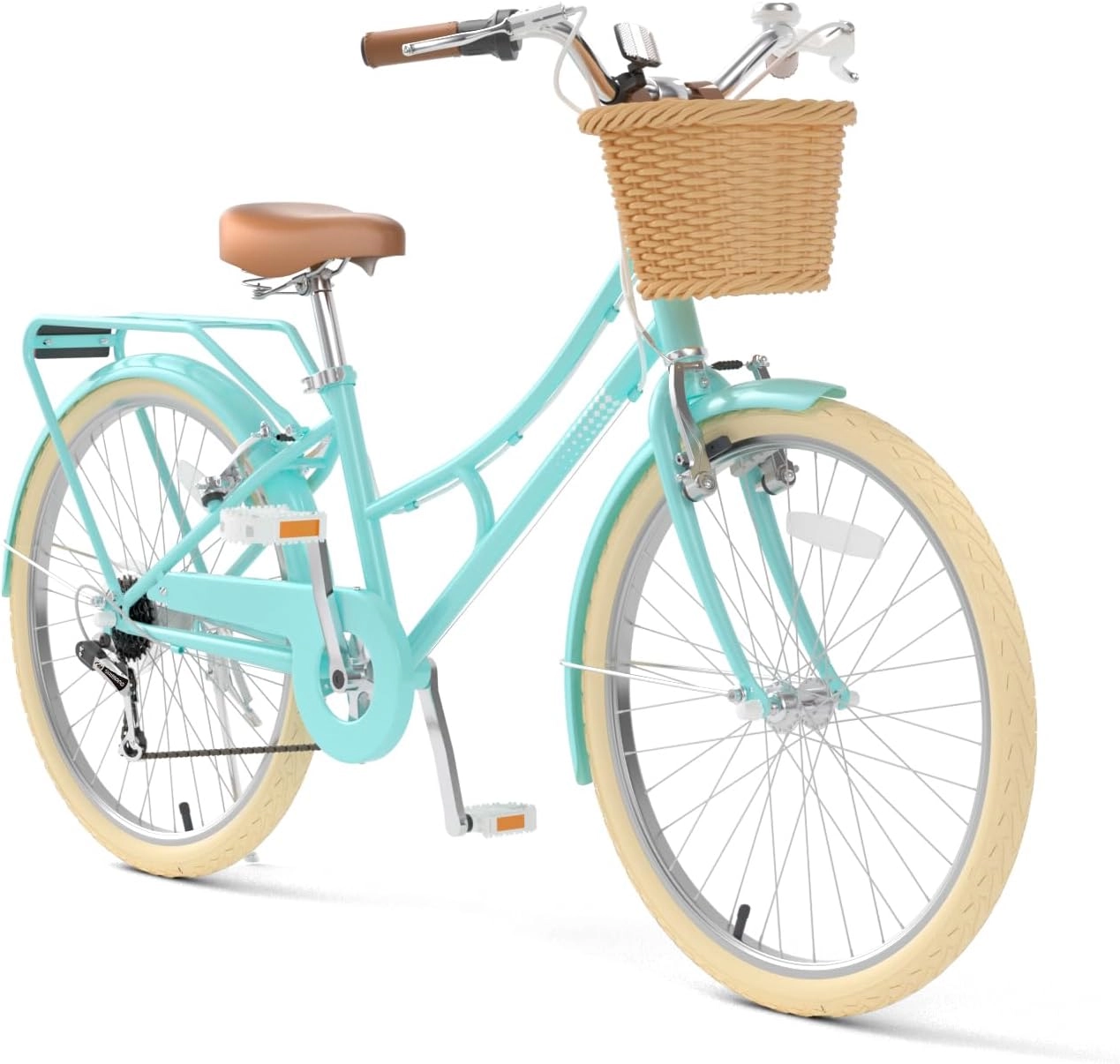
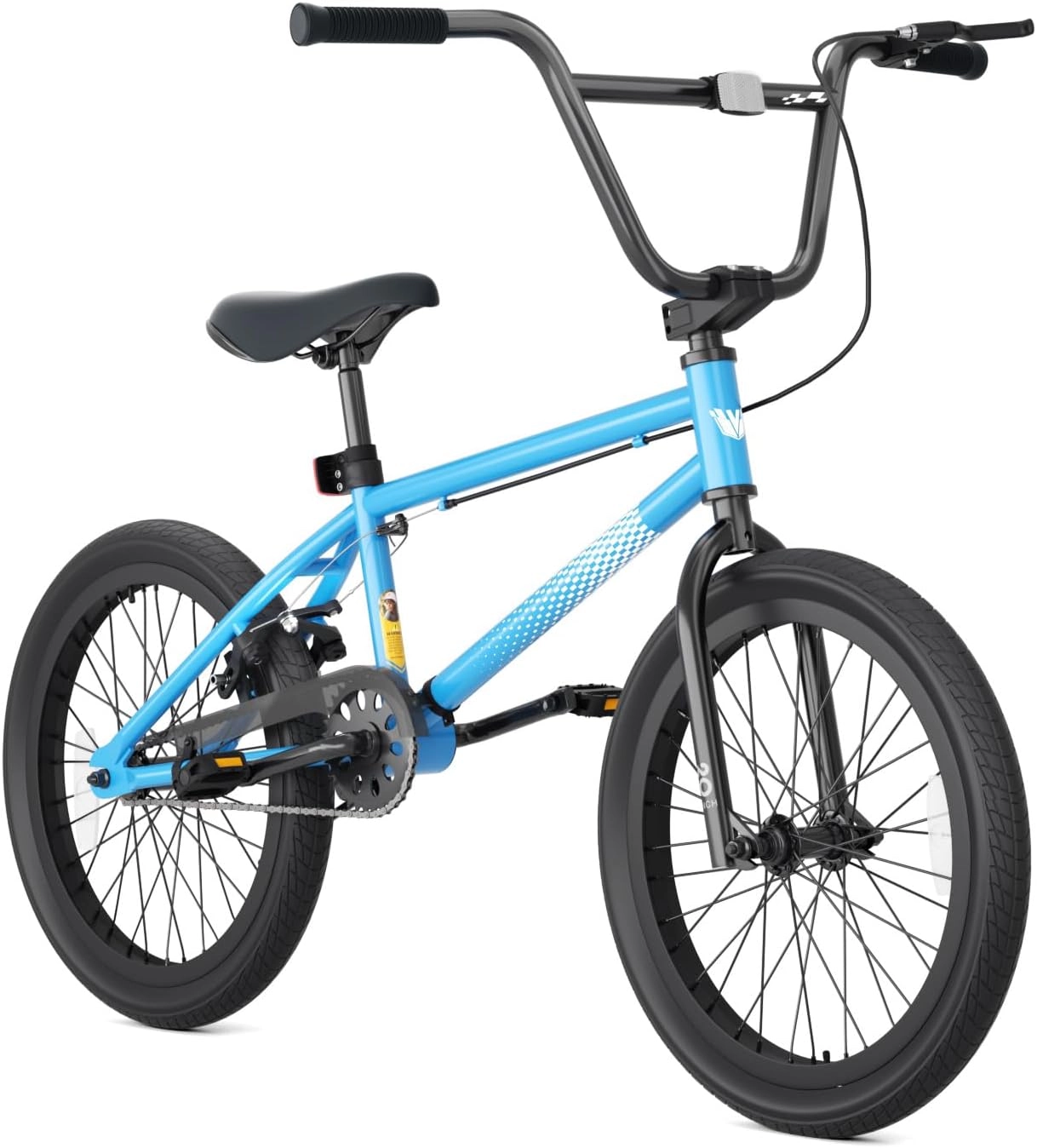
The XJD Mint Green Beach Cruiser uses V-brakes, while the XJD Blue 20-Inch Freestyle BMX Bike uses a different U-brake arrangement. Comparing these current examples explains why washer order, pad arc, and adjustment steps vary. Both require the pad to remain on its intended braking surface and completely clear of the tire.
Related reading on this site
For the next step, compare this check with our kids bike brake guidance and frayed brake cable guide. These pages provide nearby fit, component, or maintenance context without replacing the exact product manual.
Practical checklist
- Stop riding at tire contact.
- Inspect the sidewall for damage.
- Verify wheel seating first.
- Set pad height by brake type.
Frequently asked questions
Can a brake pad touching the tire cause a blowout?
Continued rubbing can damage the sidewall and create failure risk, so stop and inspect immediately.
Can I move the pad lower without checking the wheel?
No. Incorrect wheel seating can create the apparent pad problem and must be resolved first.
Before making the final choice, revisit the exact route or driving area at the time it will normally be used. A setup that works during a quiet test may need more room, visibility or adult support when other people and everyday obstacles are present.
Bottom line
Use the answer to kids bike brake pads touching tire as a decision process, not a shortcut. Confirm the live product data and manual, match the rider to the controls and setting, and favor repeatable control over a larger size or higher performance label.
Recommended products
-
Save 11%
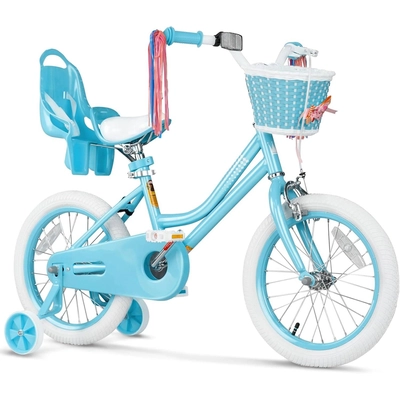
XJD Girls Bike Blue
XJD Girls Bike Blue brings the recorded fit, riding and configuration details to…
Training Wheel Bikes Training Wheels Yes 12 Inch -
Save 11%
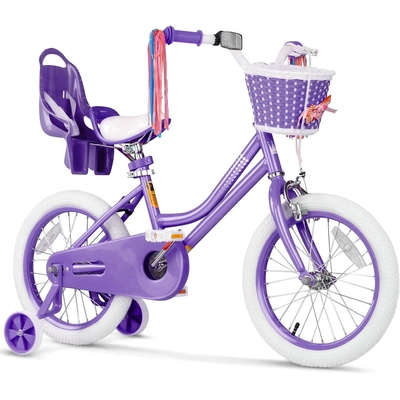
XJD Girls Bike Purple
XJD Girls Bike Purple brings the recorded fit, riding and configuration details …
Training Wheel Bikes Training Wheels Yes 14 Inch -
Save 11%
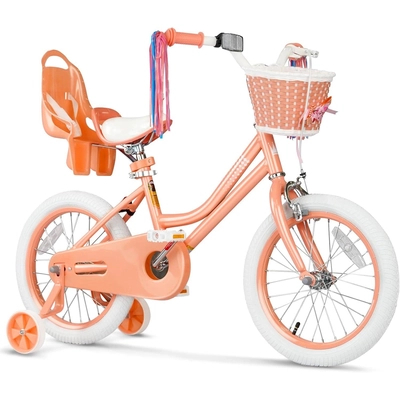
XJD Girls Bike Peach
XJD Girls Bike Peach brings the recorded fit, riding and configuration details t…
Training Wheel Bikes Training Wheels Yes 16 Inch -
Save 11%
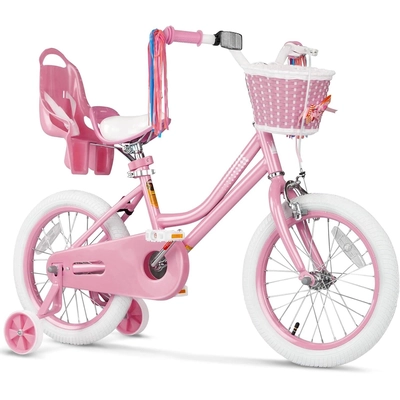
XJD Girls Bike Pink
XJD Girls Bike Pink brings the recorded fit, riding and configuration details to…
Training Wheel Bikes Training Wheels Yes 14 Inch