

Best Bicycle for 12-Year-Old Girls: Size and Fit Guide
Best bicycle for 12-year-old girls: Compare 20- and 24-inch fit rather than assuming every rider of this age needs the same wheel size. Age is only a starting point; measure height and inseam, then confirm stand-over clearance, handlebar reach and braking control on the exact bicycle.
For a 12-year-old girl, start with measured height—not age. Compare 20-, 24-, and 26-inch wheels, then confirm stand-over, reach, braking and control in person.
Which wheel size should you check first?
The XJD Bikes sizing starting points place many 12-year-olds around the upper end of 20-inch sizing or within 24-inch sizing. A taller rider may need a 26-inch bicycle. These ranges narrow the search; they do not establish fit.
| Wheel size | XJD starting range | What it means at age 12 |
|---|---|---|
| 20 Inch | Ages 7–12; 48–60 in / 122–152 cm | Consider when the rider is within the height range, especially if a smaller bicycle supports better control. |
| 24 Inch | Ages 10–14; 54–64 in / 137–163 cm | A likely comparison size for many riders, subject to an individual fit check. |
| 26 Inch | Youth and adults over 60 in / 153 cm | Compare if the rider is over 60 inches, but do not choose it solely for future growth. |
Where ranges overlap, try both sizes. Choose the bicycle on which she can mount, stop, steer and operate the brakes confidently. Do not automatically move up because she is 12 or because the larger bicycle may last longer.
Measure height and inseam before shopping
Measure her without shoes, standing straight against a wall. Record total height from the floor to the top of her head. Then measure inseam from the floor to the crotch while she stands with her feet slightly apart. Use height to identify wheel sizes worth trying and inseam to assess clearance over the bicycle.
Bring both measurements when comparing models, but do not convert inseam into a guaranteed wheel size. Frame shapes differ, even when wheel labels match. The decisive check happens on the exact bicycle.
Perform a fit check on the exact bike
Following the American Academy of Pediatrics guidance, have the child try the bicycle and avoid buying an oversized model for growth. Check these points:
- Stand-over: She should be able to straddle the bicycle with usable clearance rather than being pressed against the frame.
- Starting and stopping: She should mount, begin pedaling and stop without the bicycle pulling her off balance.
- Reach: She should hold the handlebar and steer without stretching, locking her elbows or losing a stable riding position.
- Brake control: She must be able to reach and operate the bicycle's controls comfortably. Do not assume a reachable-looking lever is usable under real hand pressure.
- Confidence: Ask her to turn, look ahead and make a controlled stop. A technically plausible size is unsuitable if it reduces control.
If two sizes pass, favor the one she controls more naturally today. Fit can also depend on permitted seat and handlebar adjustments; follow the exact product manual or ask a qualified bicycle mechanic rather than improvising limits or procedures.
Age-relevant XJD bicycles to compare
The following two current options are included as fit examples, not automatic recommendations. Compare 20- and 24-inch fit rather than assuming every rider of this age needs the same wheel size.
XJD Girls Bike with Training Wheels & Basket – Light Pink
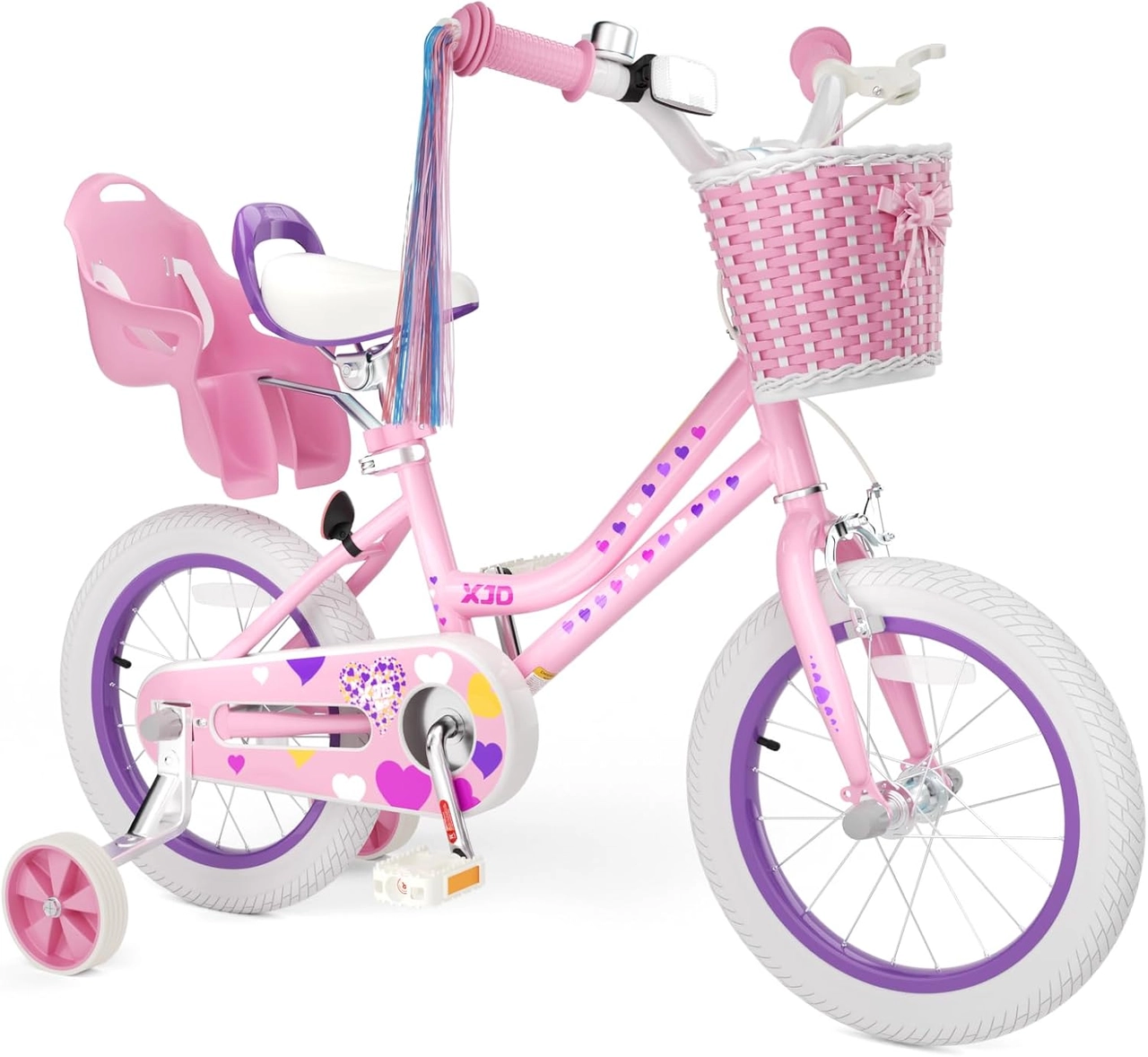
This is a step-through training-wheel bicycle with a basket. The live catalog lists 12-inch, 14-inch, 16-inch, 20-inch wheel choices and an age range that includes 12; select the exact size from height, inseam, brake reach and a hands-on control check.
XJD Beach Cruiser Bike with Rear Rack & V-Brake – Pink
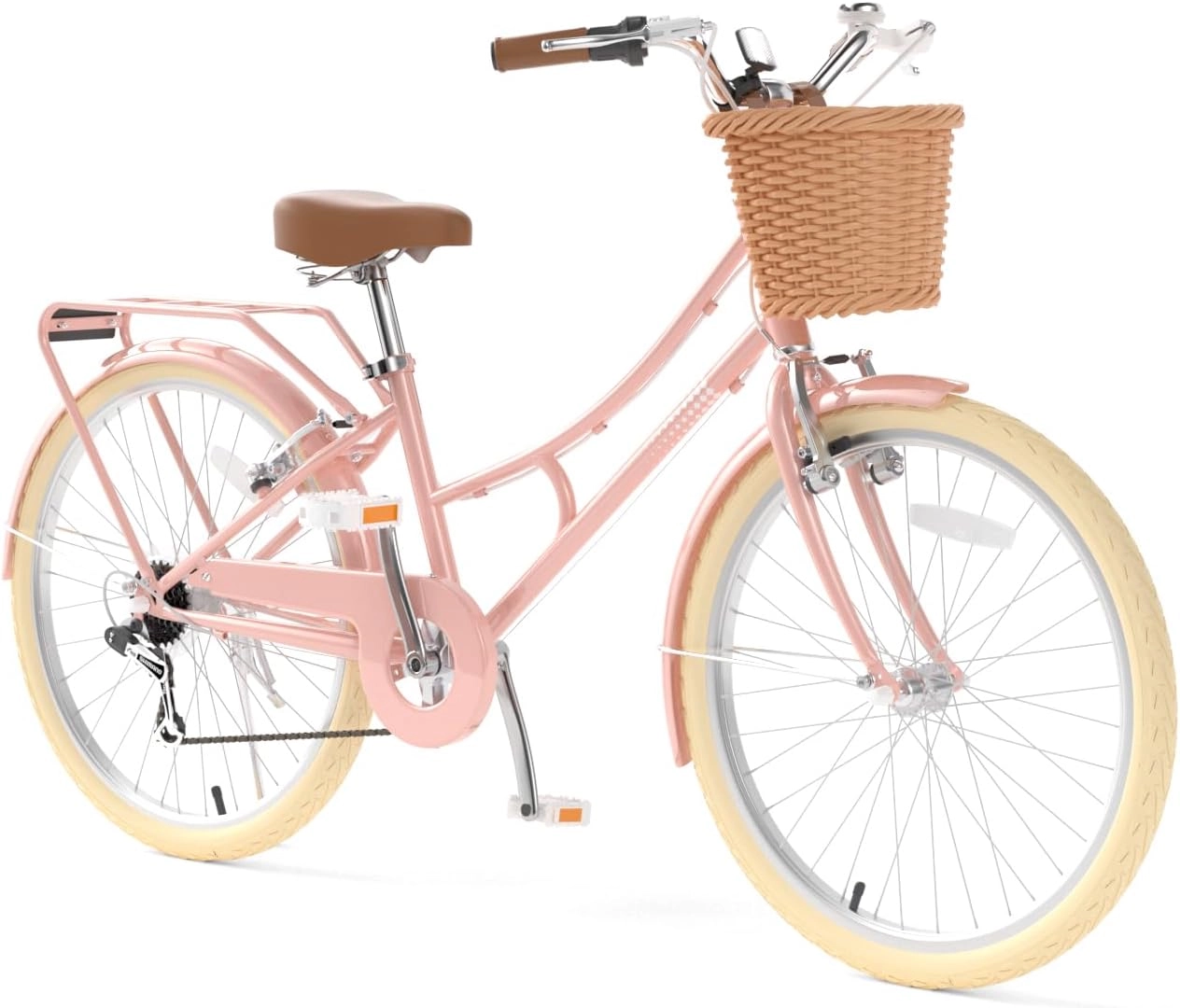
This is an upright geared cruiser with a rear rack. The live catalog lists 20-inch, 24-inch, 26-inch wheel choices and an age range that includes 12; select the exact size from height, inseam, brake reach and a hands-on control check.
For a wider comparison, use the bicycle guide for 12-year-olds together with the full girls’ bicycles collection. Those pages help compare sizes; the child’s measurements still control the final decision.
Account for confidence without letting age decide
A 12-year-old who is still learning may value a manageable riding position more than a larger wheel. However, a training-wheel category label does not prove that a particular setup suits her skills, riding environment or body proportions. Confirm balance, steering space, control reach and correct assembly on the exact configuration.
For assembly, adjustment limits, compatibility, maintenance, load limits or torque, use the exact product manual or a qualified bicycle mechanic. Those details cannot be inferred from wheel size or product naming.
Complete the decision safely
Once a bicycle passes the fit and control checks, add a properly fitting bicycle helmet. U.S. Consumer Product Safety Commission guidance says the helmet should sit level and its straps should be used according to the helmet manufacturer's instructions.
Your next step is simple: measure her height and inseam, shortlist every applicable size—usually starting with 20 and 24 inches, or 26 inches when she is over 60 inches—then have her try the exact bicycles. Buy only the size she can straddle, reach, brake and control now.
Bikes for your next adventure
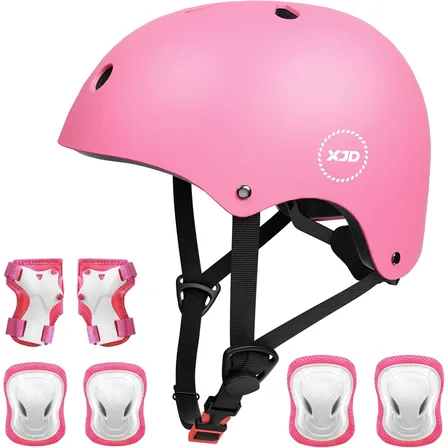
XJD Kids Bike Helmet & Protective Gear Set – Pink
XJD Kids Bike Helmet & Protective Gear Set – Pink makes helmet selection cle…$24.64
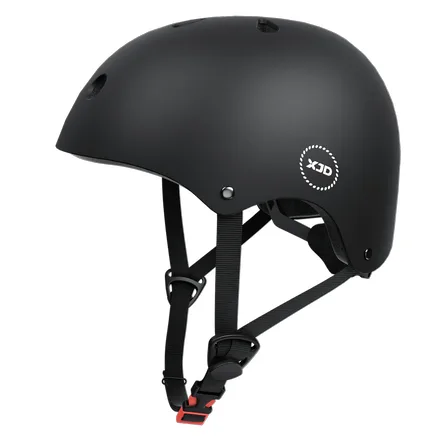
XJD Kids Bike Helmet Protective Gear Set
XJD Kids Bike Helmet Protective Gear Set makes helmet selection clearer: measure…$59.99
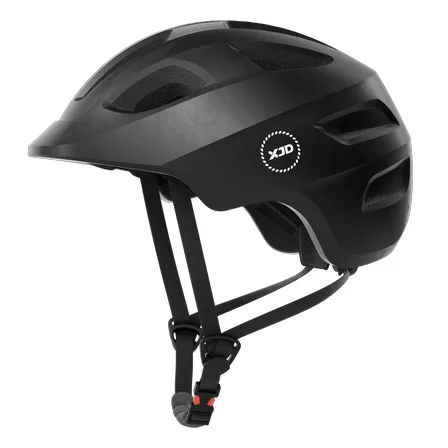
XJD Kids Bike Helmet Black
7 reviews
XJD Kids Bike Helmet Black makes helmet selection clearer: measure first, then c…$59.99
$49