How to Measure Bike Size for a Kid
Knowing how to measure bike size for a kid starts with two different measurements: the child's body and the complete bicycle. Wheel diameter is a useful shopping label, but it does not reveal frame height, reach, lowest saddle position or brake-lever fit. Record standing height and inseam without shoes, compare those numbers with the exact model's guidance, and finish with a supervised mount, steer and stop test. Age can narrow a list, but it should not make the final decision.
Measure standing height consistently
Have the child stand straight against a wall on a hard floor without shoes, heels together and eyes level. Place a flat book gently on the head and mark the wall, then measure from floor to mark. Repeat once rather than rounding upward for growth. Height helps identify likely wheel families, but children with the same height may have different leg, torso and arm proportions, which is why another measurement and a control check are still required.
Measure inseam without using trouser size
With feet a natural distance apart, place a thin book between the legs and raise it until it makes firm, comfortable contact like a bicycle saddle. Keep the book level and measure from the floor to its top edge. Use inches or centimeters consistently. Clothing labels are not a substitute because their inseam is cut for fabric and style. Re-measure if the result conflicts sharply with the child's height or known fit.
Understand what the wheel label can and cannot tell you
A 12-, 14-, 16- or 20-inch label normally describes a nominal wheel family, not the bike's total height or a guaranteed age. Frame geometry, tires and saddle hardware can make two bikes with the same wheel label fit differently. Use a size chart to create two adjacent candidates, then compare the actual minimum saddle setting, stand-over area and handlebar reach. Never extend a saddle or stem beyond its marked limit to force a fit.
Check stand-over, seated reach and foot placement
Follow the model instructions for the expected riding position. The child should mount without sharply tilting the bicycle, clear the frame as required, and reach the grips with relaxed shoulders. Foot contact depends on bicycle type and learning stage, so use the manual rather than one universal flat-foot rule. Confirm that the saddle remains within its approved adjustment range and does not rotate under light adult inspection.
Finish with a control test, not a growth forecast
In a closed, level area, ask the child to walk the bicycle, make a wide turn and operate every fitted brake. If already able, add one controlled start and stop. Watch for stretched arms, tiptoe panic, knees crowded against the bar or an inability to recover from a small lean. The larger candidate is not better when it reduces present control. Recheck measurements after a growth spurt instead of buying beyond today's usable range.
Use current products as concrete examples
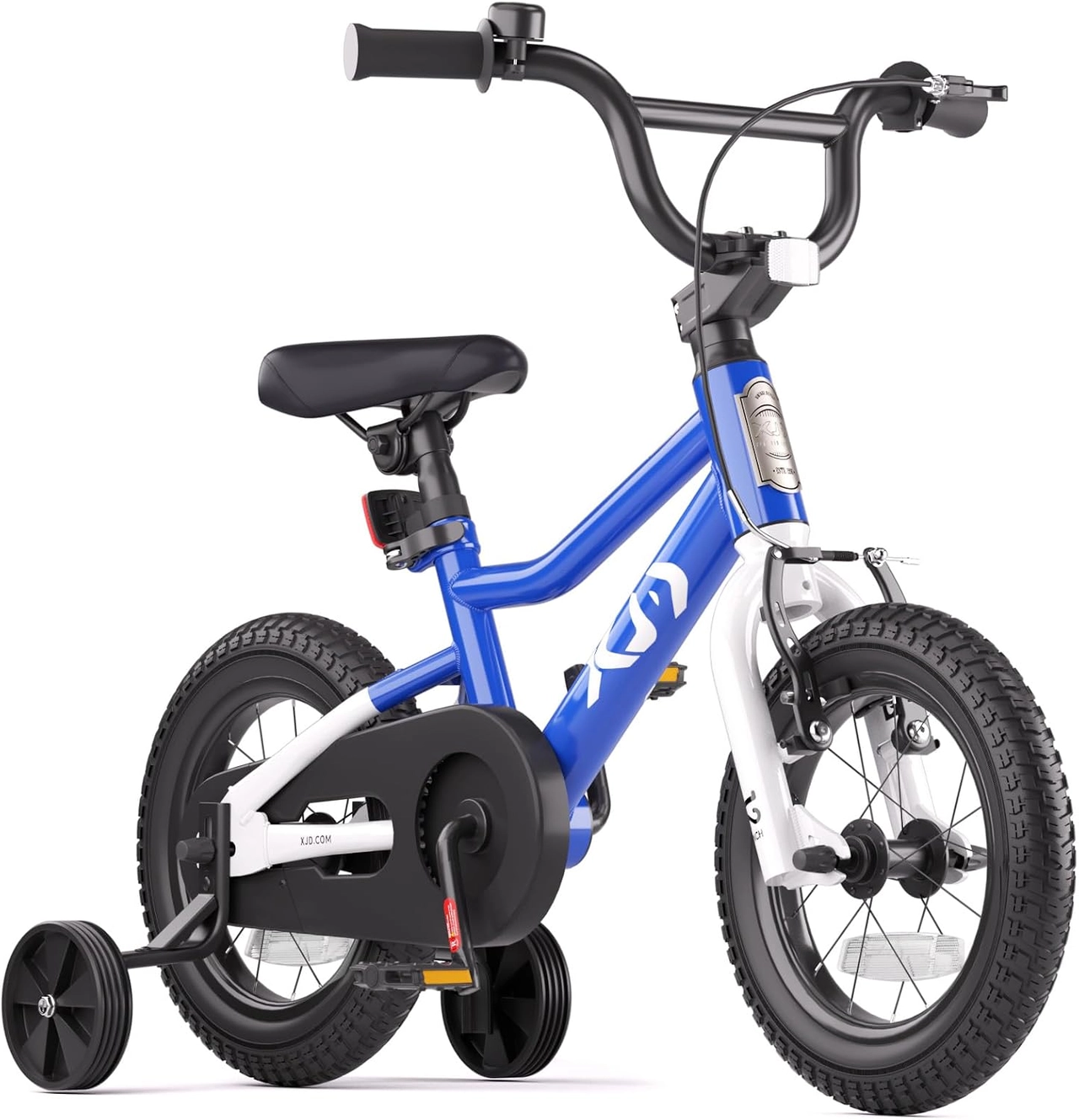
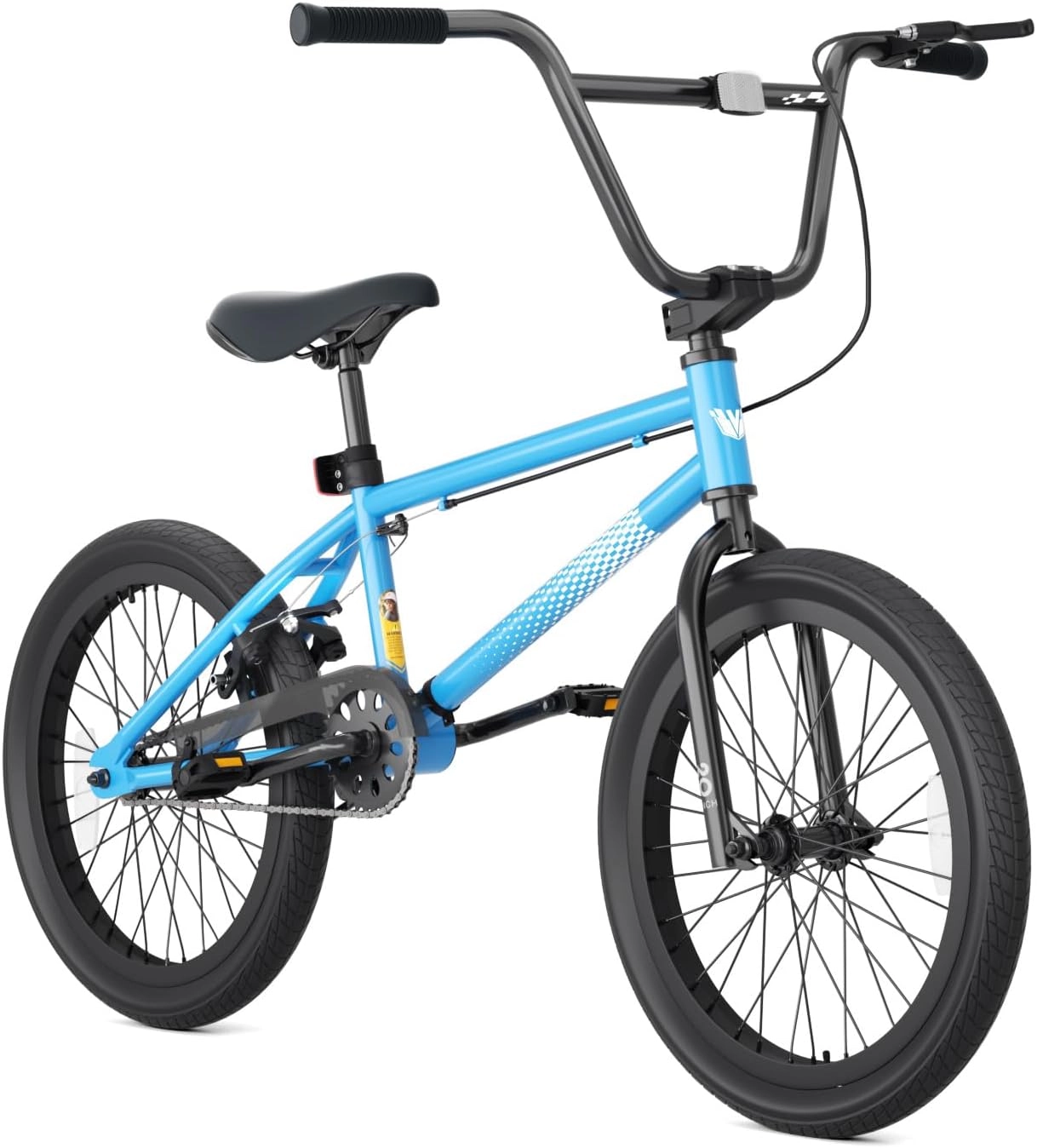
The XJD Blue Kids BMX Bike with Training Wheels offers 12-, 14- and 16-inch choices, while the XJD Blue 20-Inch Freestyle BMX Bike is a fixed 20-inch example with a different frame and brake setup. Comparing these live pages demonstrates why wheel size is only the shortlist: the child's inseam, reach and ability to use the complete bicycle settle the fit.
Parent checklist
- Measure height and inseam twice, without shoes.
- Compare two adjacent sizes on the exact product pages.
- Check stand-over room, saddle limits, handlebar reach and brake reach.
- Have the child walk, turn and stop the complete bicycle.
- Choose the size controlled now rather than one intended only for future growth.
Editorial approach
This guide is based on the current XJD Bikes catalog, the fit and component information shown on the linked product pages, and conservative pre-ride practices. It does not replace the instructions supplied with the exact bicycle. Product specifications can change, so families should verify the selected option before use.
Frequently asked questions
Is wheel size the same as frame size?
No. The wheel label describes the wheel family; frame geometry, saddle range and reach determine how the complete bicycle fits.
Can age alone tell me the correct kids bike size?
Age is only a rough starting point. Use current height and inseam, then verify mounting, reach and braking on the exact model.
Should I choose the larger size if my child is between sizes?
Not automatically. Compare both and choose the bicycle the child can control safely today while remaining within every adjustment limit.
Bottom line
how to measure bike size for a kid is best answered by checking the individual child, the exact bicycle and the real riding area together. Choose present control over a future-growth guess, keep each practice step small and stop whenever fit, braking or equipment condition is uncertain.
Recommended products
-
Save 15%
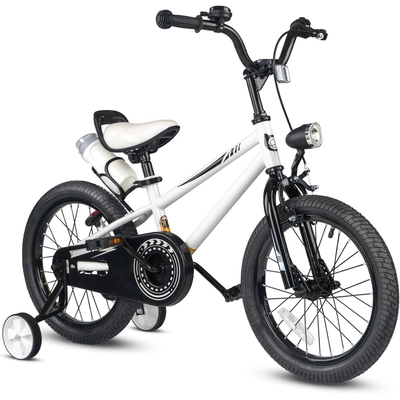
XJD Boys & Grils Bike white
XJD Boys & Grils Bike white brings the recorded fit, riding and configuratio…
Training Wheel Bikes Training Wheels Yes 16 Inch -
Save 15%
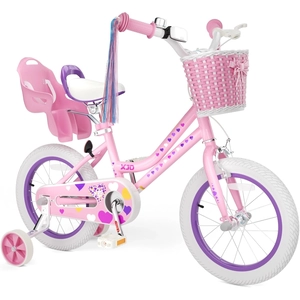
XJD Girls Bike with Training Wheels & Basket – Light Pink
XJD Girls Bike with Training Wheels & Basket – Light Pink brings the recorde…
Training Wheel Bikes Training Wheels Yes Geared 14 Inch -
Save 13%
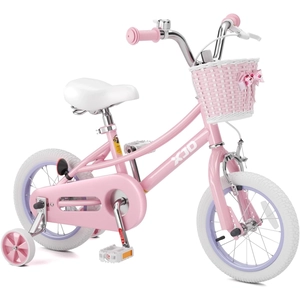
XJD Girls Bike with Training Wheels & Basket – Pink
XJD Girls Bike with Training Wheels & Basket – Pink brings the recorded fit,…
Training Wheel Bikes Training Wheels Yes Single Speed 12 Inch -
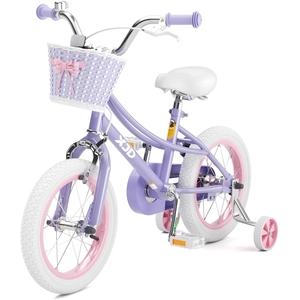
XJD Girls Bike with Training Wheels & Basket – Purple
XJD Girls Bike with Training Wheels & Basket – Purple brings the recorded fi…
Training Wheel Bikes Training Wheels Yes Single Speed 14 Inch