How to Teach a Kid to Ride a Bike
Learning how to teach a kid to ride a bike becomes more manageable when balance, pedaling, steering and braking are treated as separate skills. There is no promise that one afternoon will be enough. Start with a bicycle the child can control now, a correctly fitted helmet, and a wide level space closed to vehicles. The goal of each session is not distance; it is one calm, repeatable action the rider can choose and stop.
Begin with fit and an adult pre-ride check
Measure the child's current height and inseam, then compare the exact bicycle's fit guidance and adjustment limits. The rider should reach the grips without locked elbows and use every fitted brake from a secure hand position. Before the lesson, an adult checks tire condition and pressure markings, wheel retention, steering, pedals, chain area, saddle security and brakes. Training wheels or adult support cannot correct a frame that is too large or controls that are out of reach.
Teach walking and stopping before speed
With the child seated as the manual allows, begin by walking the bicycle forward with feet available for support. Ask the rider to look at a marker ahead, steer a wide path and stop at a second marker. Explain the bike's actual braking method before pedaling. If it has a coaster brake, demonstrate that backward pedal pressure slows the rear wheel. If it has a hand brake, test reach and gradual operation at walking speed before any faster attempt.
Build balance with short, child-controlled glides
Use small pushes and brief glides rather than an adult running behind the bike. Stay close enough to assist, but avoid pulling the handlebar or choosing the line for the child. Eyes should remain on the route instead of the front tire. A useful repetition is push, glide for one moment, then stop at the marker. Increase glide time only when the rider remains relaxed. Return to walking if feet rise in panic or the child asks to pause.
Add a ready-pedal start
Once short glides and stops are reliable, place one pedal in a comfortable forward starting position and let the child press it to create momentum. Practice one straight start at a time. Avoid pushing the saddle hard enough that the adult, not the child, supplies the balance. A rider who can make two or three smooth pedal circles and stop on request has learned more than one who travels farther but cannot choose the start or finish.
Introduce wide turns and repeatable routes
After straight starts and stops, add one wide turn around a well-spaced marker. Keep the same start point and stopping line so the rider knows what comes next. Tight cones, slopes, traffic and crowded paths add decisions too early. End while the child still has energy and finish with a familiar success. On the next day, repeat the easy route before adding a second turn or slightly more distance.
Use current products as concrete examples
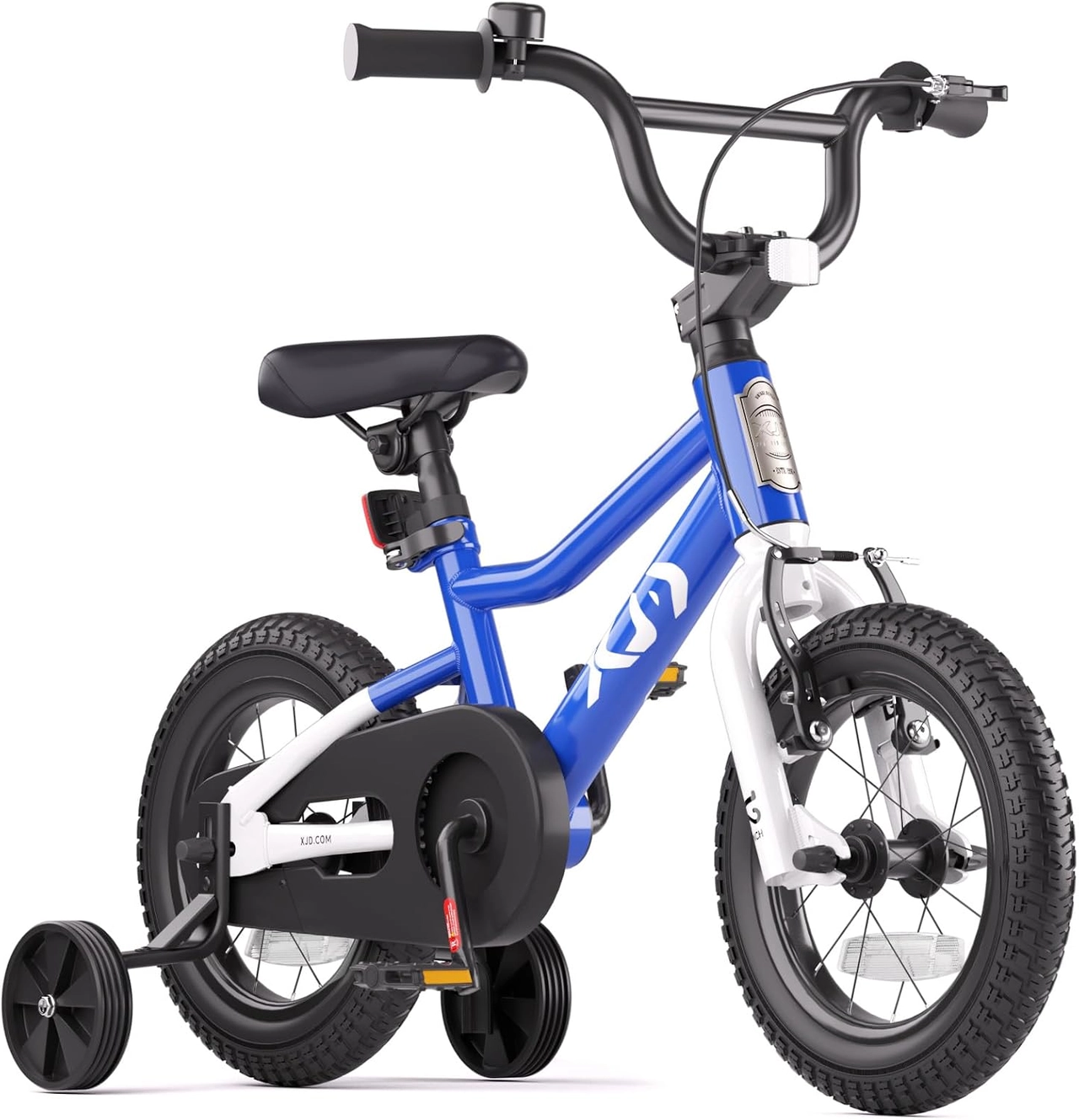
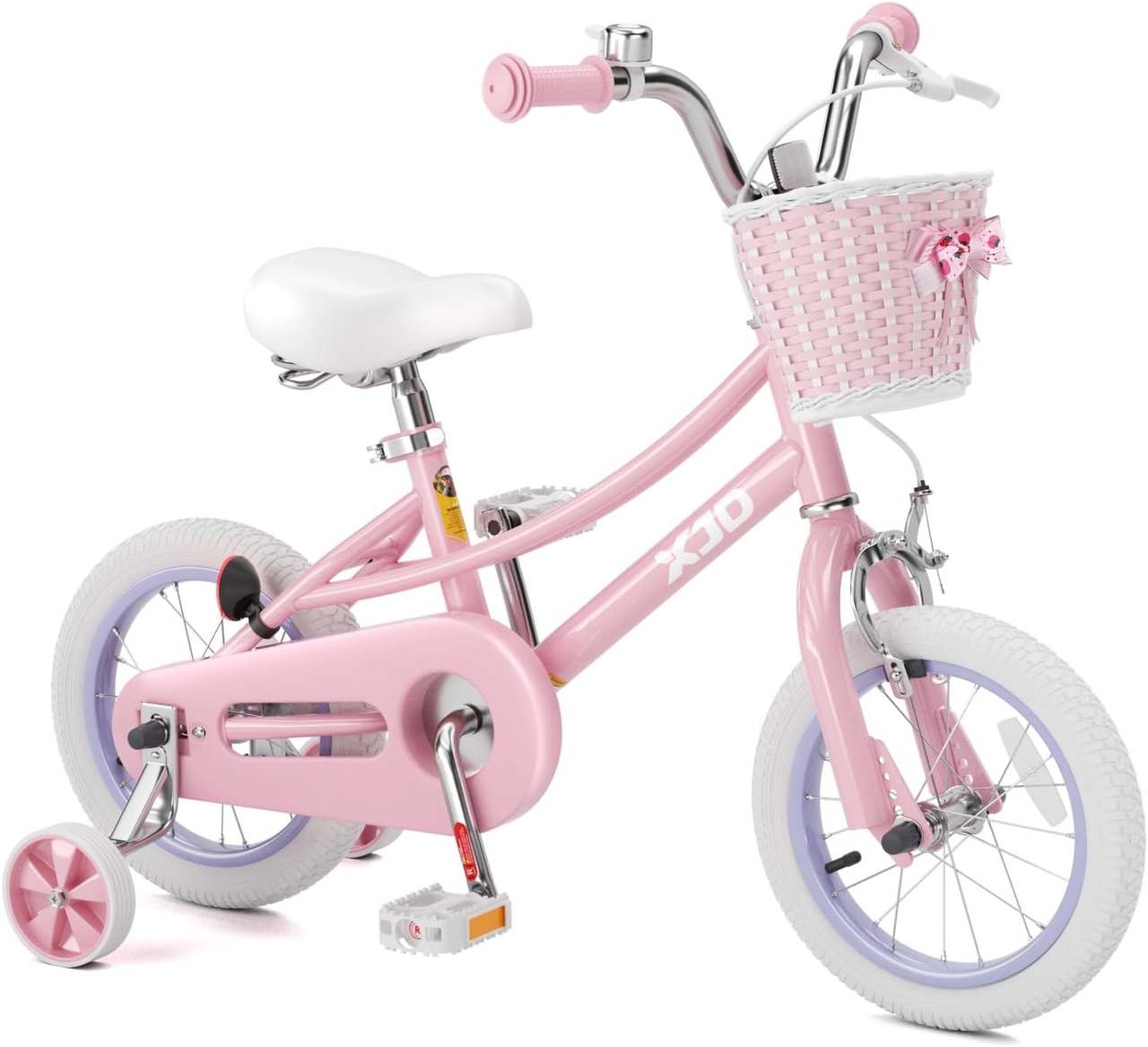
The XJD Blue Kids BMX Bike with Training Wheels and XJD Pink Bike with Training Wheels and Basket both offer small-wheel configurations for early pedal practice. Their colors and accessories differ, but the lesson decision remains the same: select the exact option the child can mount, steer and stop today, then use its supplied instructions for setup and support-wheel adjustment.
Parent checklist
- Choose a level, traffic-free practice area.
- Check fit, tire condition, wheel retention and brakes before every session.
- Practice one skill at a time: walk, glide, pedal, turn, stop.
- Keep sessions short and let the child choose when to pause.
- Use the exact bicycle manual for adjustments and safety checks.
Editorial approach
This guide is based on the current XJD Bikes catalog, the fit and component information shown on the linked product pages, and conservative pre-ride practices. It does not replace the instructions supplied with the exact bicycle. Product specifications can change, so families should verify the selected option before use.
Frequently asked questions
What is the easiest way to teach a kid to ride?
Use a predictable progression and remove unnecessary tasks. A child who can walk, glide and stop calmly has a stronger base for pedaling than a child who is pushed quickly into a long ride.
Should I hold the handlebar or saddle?
Stay close and use only a support method allowed by the bicycle instructions. Avoid steering for the child; the rider needs to feel and correct small changes independently.
What if an older child is embarrassed to learn?
Choose a private practice area, avoid age comparisons and focus on measurable skills such as one controlled glide or stop. Readiness and practice history vary at every age.
Bottom line
how to teach a kid to ride a bike is best answered by checking the individual child, the exact bicycle and the real riding area together. Choose present control over a future-growth guess, keep each practice step small and stop whenever fit, braking or equipment condition is uncertain.
Recommended products
-
Save 16%
XJD Kids BMX Bike with Training Wheels – Pink Blue
XJD Kids BMX Bike with Training Wheels – Pink Blue brings the recorded fit, ridi…
Kids' BMX Bikes Training Wheels Yes Single Speed 12 Inch -
Save 16%
XJD Kids BMX Bike with Training Wheels – Blue
XJD Kids BMX Bike with Training Wheels – Blue brings the recorded fit, riding an…
Kids' BMX Bikes Training Wheels Yes Single Speed 12 Inch -
Save 16%
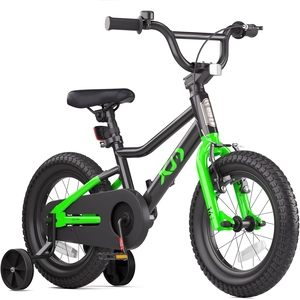
XJD Kids BMX Bike with Training Wheels – Black
XJD Kids BMX Bike with Training Wheels – Black brings the recorded fit, riding a…
Kids' BMX Bikes Training Wheels Yes Single Speed 12 Inch -
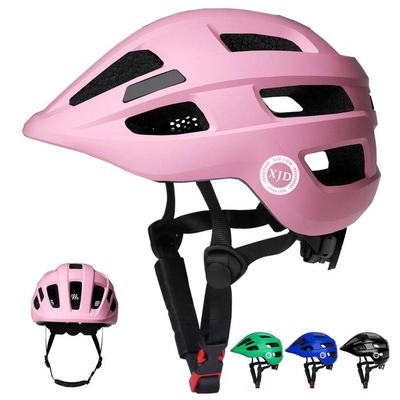
XJD Kids Bike Helmet
XJD Kids Bike Helmet makes helmet selection clearer: measure first, then choose …
Bike Helmets Blue / S:18.11"-20.08" / 46-51 cm