What Size Bike for a 3 Year Old
The practical answer to what size bike for a 3 year old is usually a correctly fitted small bicycle, often starting with a 12-inch or compact 14-inch option, but age does not guarantee either size. Three-year-olds vary widely in height, inseam, balance, hand reach and interest. Measure the child, compare the exact frame and lowest approved saddle position, then choose the bicycle they can mount, steer and stop now. A larger wheel chosen only for growth can delay confidence instead of extending useful life.
Use age only to open the shortlist
Ages printed on a chart describe a broad starting range, not a pass-or-fail rule. For the XJD site sizing structure, 12-inch bikes are associated with about 34–40 inches of rider height and ages 3–4, while 14-inch bikes begin around 37–45 inches and ages 3–6. The overlap is intentional because proportions and skill differ. Check the live size guidance for the selected product rather than applying these ranges to every bicycle brand or frame.
Measure height and inseam before shopping
Measure without shoes on a hard floor. For height, use a wall and level book. For inseam, hold a book level between the legs like a saddle and measure from the floor to its top edge. Repeat both measurements. Do not use trouser inseam or round the result upward. These numbers help compare the actual saddle range and stand-over area, especially when the child falls inside both a 12- and 14-inch chart range.
Decide between a balance bike and a pedal bike
Size is only part of the choice. A child still developing balance may benefit from a purpose-built balance bike, while a child eager to pedal may use a small pedal bike with an approved support-wheel setup. Do not remove pedals or training wheels unless the exact bicycle instructions allow the changed configuration. Whichever type is chosen, the child needs a stable mount, comfortable reach and a stopping method they can understand and repeat.
Test the smaller and larger candidate
Have an adult hold each bicycle while the child mounts. Look for relaxed shoulders, bent elbows and easy access to the grips and brakes. On a level closed surface, ask the child to walk the bike, steer around one wide marker and stop. A candidate is too demanding when the rider must stretch, cannot place a foot as the manual requires, or needs the adult to control every lean. Prefer the bike that makes the same small task repeatable.
Check the complete setup after choosing
The final fit includes more than frame and wheels. Verify tire pressure from each sidewall, wheel retention, saddle security, handlebar alignment, chain protection and every brake. If training wheels are supplied, install and adjust only through the exact diagram; they must not be used to compensate for an oversized bike. Add a correctly fitted helmet and begin in a quiet flat area where an adult can stay within reach.
Use current products as concrete examples
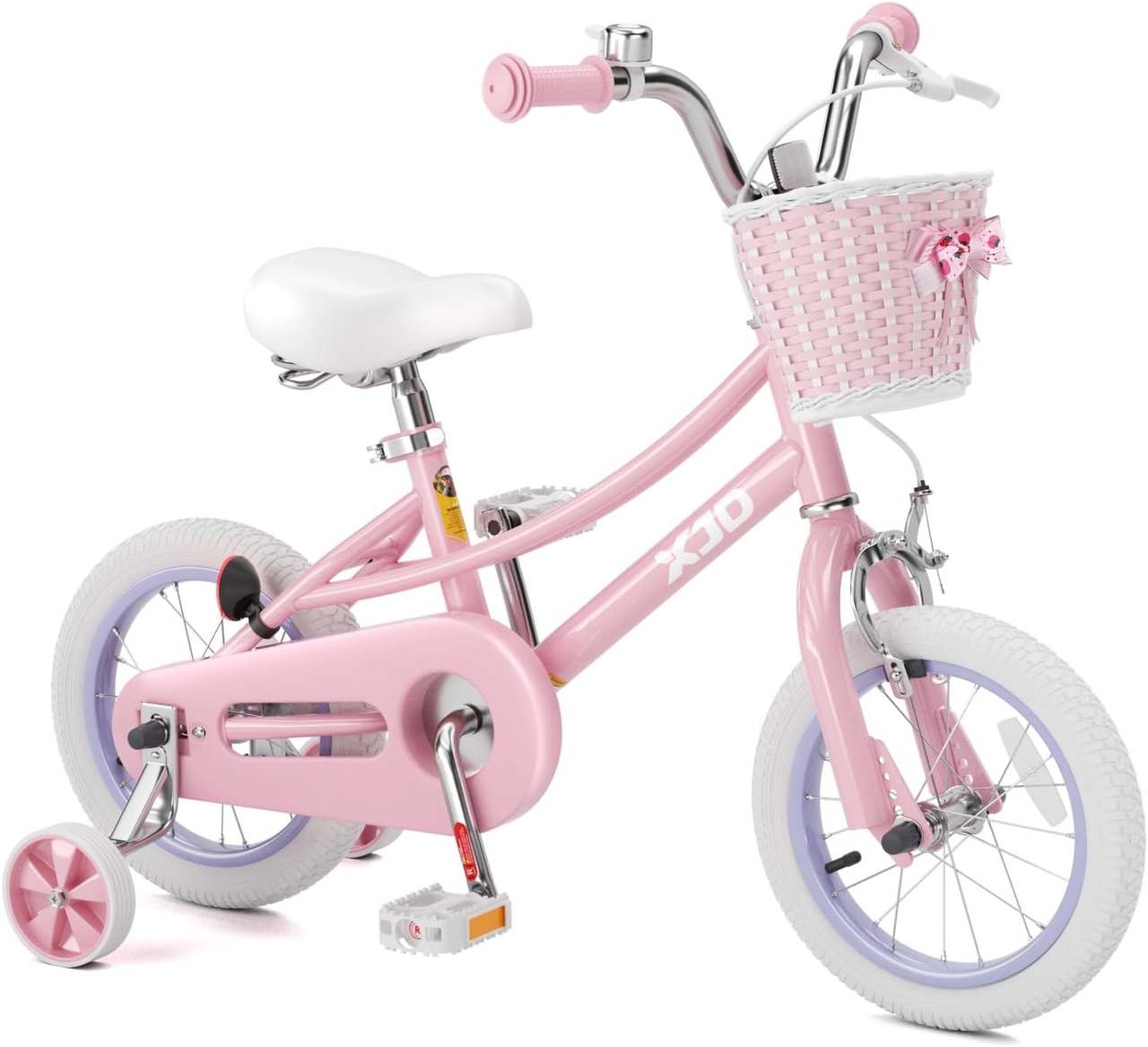
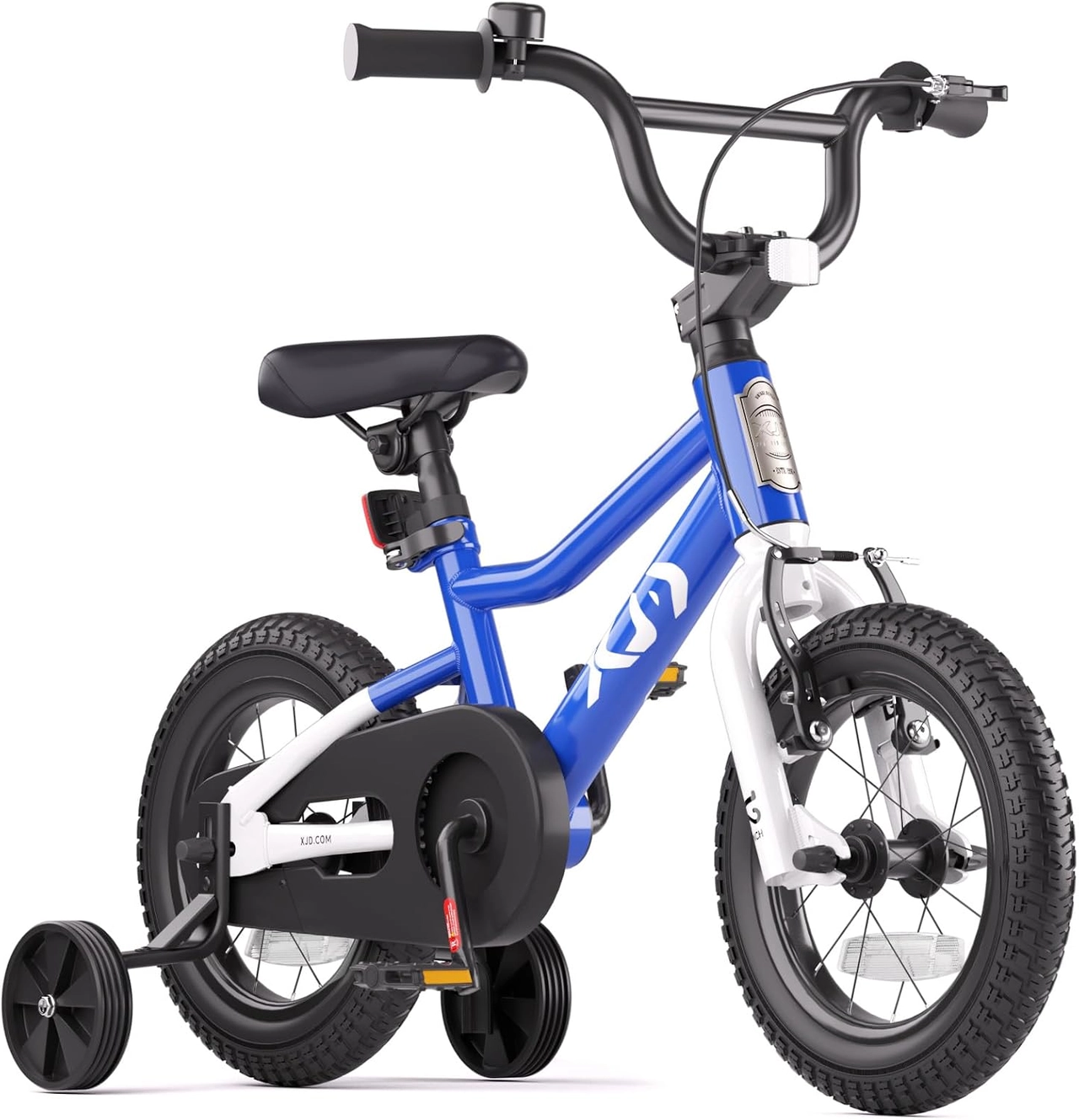
The XJD Pink Bike with Training Wheels and Basket and XJD Blue Kids BMX Bike with Training Wheels both show current 12-, 14- and 16-inch family options. For a three-year-old, the relevant comparison is normally between the two smallest selected sizes. Accessories and color can wait until measurements, lowest saddle position, brake operation and the child's low-speed control have been checked.
Parent checklist
- Measure current height and inseam without shoes.
- Compare the exact 12- and 14-inch product options.
- Test mounting, grip reach, steering and stopping.
- Do not choose 16 inches simply to leave growth room.
- Use a fitted helmet and adult supervision in a closed area.
Editorial approach
This guide is based on the current XJD Bikes catalog, the fit and component information shown on the linked product pages, and conservative pre-ride practices. It does not replace the instructions supplied with the exact bicycle. Product specifications can change, so families should verify the selected option before use.
Frequently asked questions
Is a 12-inch bike always right for a 3-year-old?
No. It is a common starting point, but exact frame geometry and the child's measurements and control determine fit.
Can a tall 3-year-old ride a 14-inch bike?
Possibly, if the exact model fits and the child can mount, steer and stop without stretching. Compare both adjacent sizes rather than choosing by height alone.
Should a 3-year-old use training wheels?
That depends on the bicycle design, the child's balance and the learning approach. Use only an approved setup and keep separate balance practice in the plan.
Bottom line
what size bike for a 3 year old is best answered by checking the individual child, the exact bicycle and the real riding area together. Choose present control over a future-growth guess, keep each practice step small and stop whenever fit, braking or equipment condition is uncertain.
Recommended products
-
Save 12%
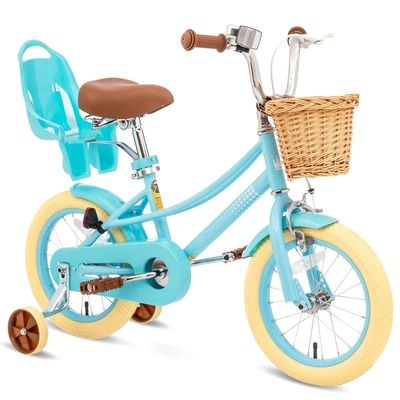
XJD Kids Bike Blue
XJD Kids Bike Blue brings the recorded fit, riding and configuration details tog…
Training Wheel Bikes Training Wheels Yes 16 Inch -
Save 12%
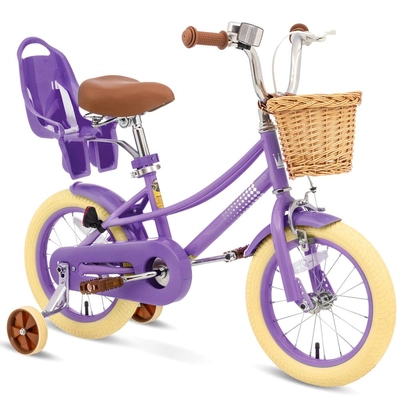
XJD Kids Bike Purple
XJD Kids Bike Purple brings the recorded fit, riding and configuration details t…
Training Wheel Bikes Training Wheels Yes 16 Inch -
Save 12%
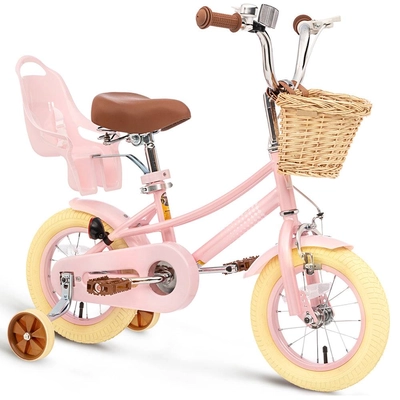
XJD Kids Bike Pink
XJD Kids Bike Pink brings the recorded fit, riding and configuration details tog…
Training Wheel Bikes Training Wheels Yes 20 Inch -
Save 16%
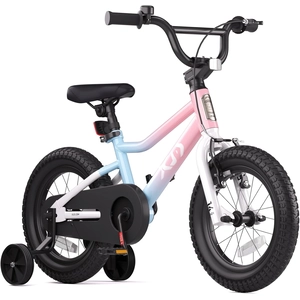
XJD Kids BMX Bike with Training Wheels – Pink Blue
XJD Kids BMX Bike with Training Wheels – Pink Blue brings the recorded fit, ridi…
Kids' BMX Bikes Training Wheels Yes Single Speed 12 Inch