Kids Bike Tire PSI Guide
A reliable kids bike tire PSI guide begins with the exact tire, because there is no single pressure for every child's bicycle or wheel size. Tire width, construction, rim and bicycle limits differ. Read the pressure information molded into each fitted sidewall and follow the manual for the selected model. Use a compatible gauge rather than a thumb squeeze, stay within all stated limits, and stop if markings are missing or the tire, valve or rim appears damaged.
Find and interpret the sidewall marking
Rotate each wheel in good light and inspect both sides. Look for PSI, bar or kPa, then determine whether the printing shows a recommended range, an inflation limit or another condition. Copy the full tire size and pressure text before attaching a pump. Front and rear tires may not be identical, so read both rather than assuming one value. When the text is worn away or conflicts with the manual, identify the tire and ask the manufacturer or a qualified bicycle shop.
Use a gauge instead of guessing by feel
A very soft tire may be obvious by touch, but squeezing cannot measure pressure accurately. Confirm the valve type, attach a compatible gauge squarely and take a second reading if the connection leaks. Use a pump designed for that valve and add air gradually. After disconnecting, check that the valve closes and replace its cap if specified. Never exceed a printed limit to make a tire feel faster or compensate for a leak.
Inspect the tire before adding air
Look for cuts, cracking, a bulge, exposed casing, embedded debris or a tire bead that does not sit evenly around the rim. Check the valve for leaning, tearing or repeated leakage. Adding air to a damaged tire can worsen the condition. Keep the child away while inflating and stop if the tire changes shape unexpectedly. A damaged rim, uncertain tire fit or pressure that drops again belongs with qualified bicycle service.
Adjust only inside approved guidance
Some manuals allow a pressure range so riders can account for load and an approved surface, but lower is not automatically more comfortable and higher is not automatically faster. Underinflation can make steering vague, allow pinch damage or let the rim strike an edge. Excess pressure can reduce comfort or grip and stress the system. The tire, rim and bicycle guidance must all permit the chosen setting; the most restrictive applicable limit controls.
Make pressure part of the pre-ride routine
Check pressure when tires are cool and before the first ride after storage, a temperature change or service. Spin each wheel and confirm the tire remains evenly seated and clear of the frame, fork and brakes. Then inspect wheel retention and test braking at walking speed. Record the verified setting for that exact bicycle, but still read the tire after replacement because a new model or size may carry different guidance.
Use current products as concrete examples
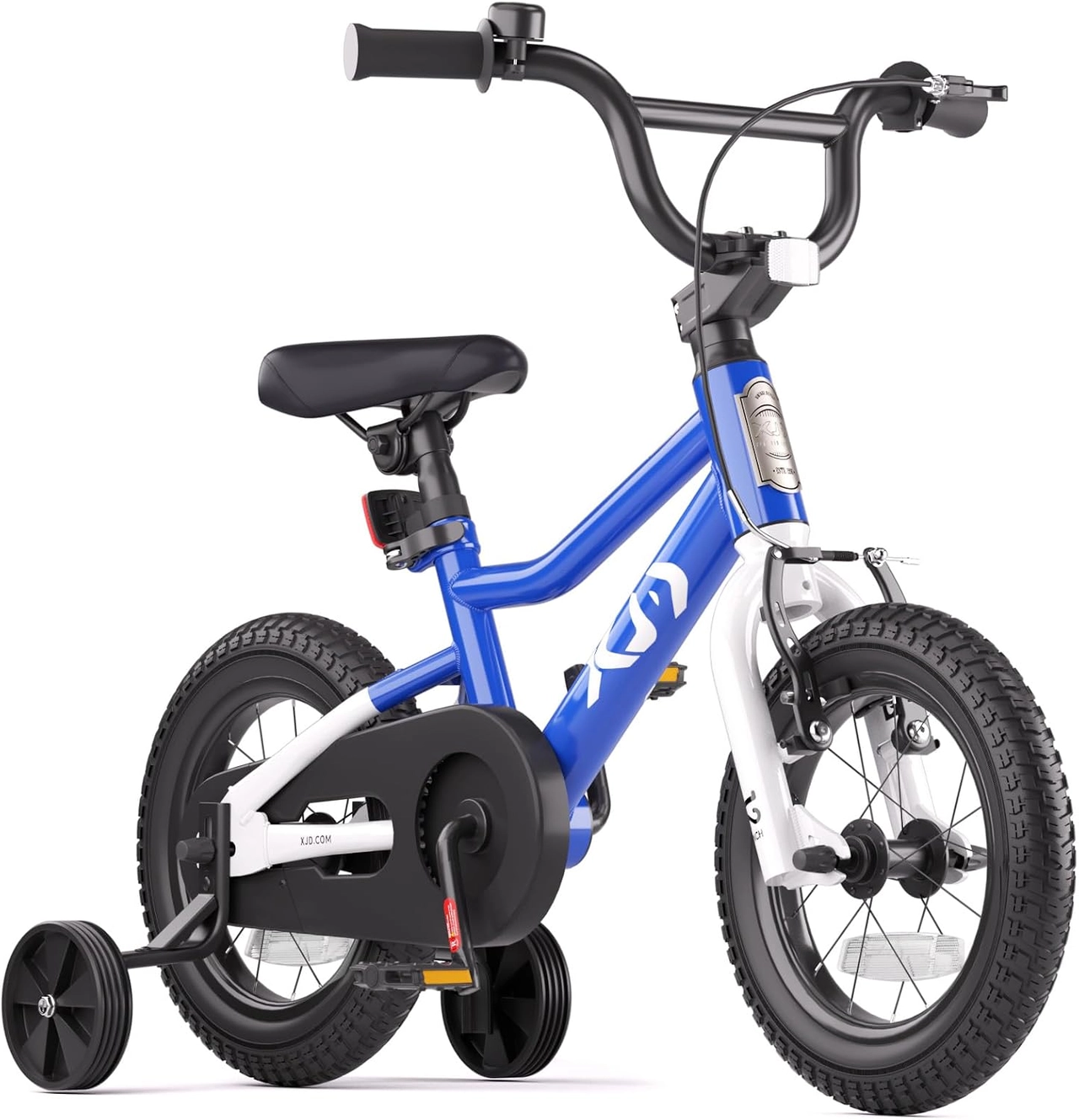
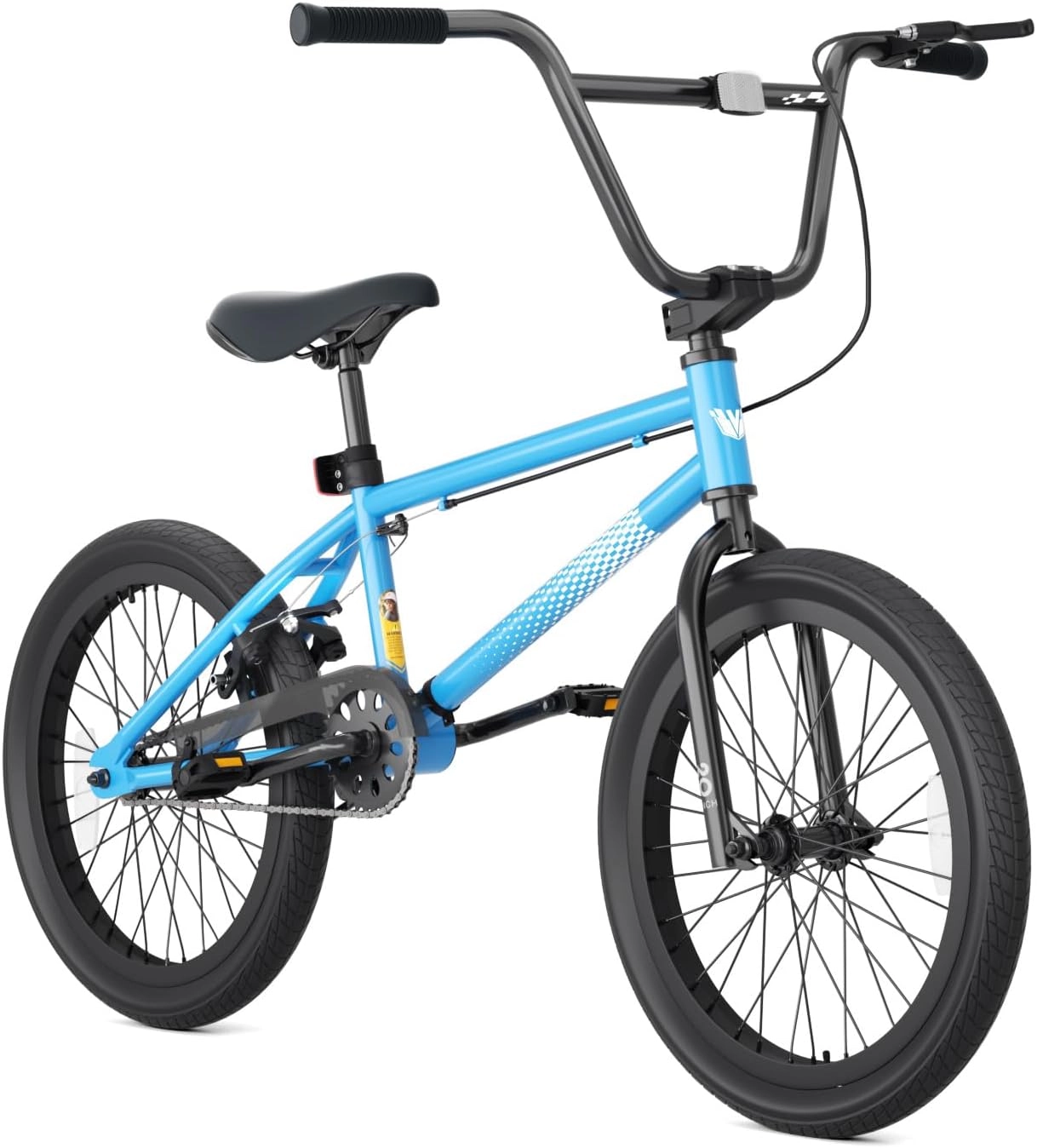
The XJD Blue Kids BMX Bike with Training Wheels spans 12-, 14- and 16-inch choices, while the XJD Blue 20-Inch Freestyle BMX Bike uses a wider 20-inch BMX-style tire. Those pages illustrate why wheel diameter alone cannot supply PSI. Read the actual sidewall fitted to the selected SKU and use its manual, even when two products share the XJD name.
Parent checklist
- Read the complete pressure text on both fitted tires.
- Use a compatible gauge and pump on cool tires.
- Inspect sidewall, bead, valve and rim before inflation.
- Stay within the tire, rim and bicycle limits together.
- Investigate repeated pressure loss before a child rides.
Editorial approach
This guide is based on the current XJD Bikes catalog, the fit and component information shown on the linked product pages, and conservative pre-ride practices. It does not replace the instructions supplied with the exact bicycle. Product specifications can change, so families should verify the selected option before use.
Frequently asked questions
What PSI should a kids bike tire use?
Use the range or limit printed on that exact tire together with the bicycle manual. Wheel size or child age alone cannot supply a safe number.
Can I use the number printed on another child's bike?
No. Even equal wheel diameters can use different widths, casings and rims. Read the fitted tire.
Why does the tire keep losing pressure?
A puncture, valve problem, tube damage or poor bead seating may be involved. Stop repeated top-ups and have the cause identified before riding.
Bottom line
kids bike tire psi guide is best answered by checking the individual child, the exact bicycle and the real riding area together. Choose present control over a future-growth guess, keep each practice step small and stop whenever fit, braking or equipment condition is uncertain.
Recommended products
-
Save 15%
XJD Boys & Grils Bike white
XJD Boys & Grils Bike white brings the recorded fit, riding and configuratio…
Training Wheel Bikes Training Wheels Yes 16 Inch -
Save 15%
XJD Girls Bike with Training Wheels & Basket – Light Pink
XJD Girls Bike with Training Wheels & Basket – Light Pink brings the recorde…
Training Wheel Bikes Training Wheels Yes Geared 14 Inch -
Save 13%
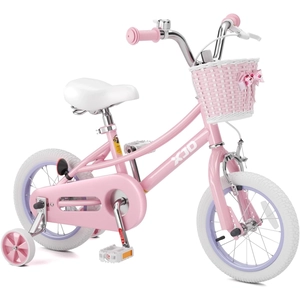
XJD Girls Bike with Training Wheels & Basket – Pink
XJD Girls Bike with Training Wheels & Basket – Pink brings the recorded fit,…
Training Wheel Bikes Training Wheels Yes Single Speed 12 Inch -
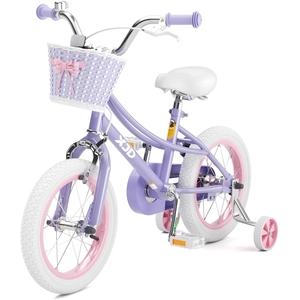
XJD Girls Bike with Training Wheels & Basket – Purple
XJD Girls Bike with Training Wheels & Basket – Purple brings the recorded fi…
Training Wheel Bikes Training Wheels Yes Single Speed 14 Inch