When Do Kids Learn to Ride a Bike
When do kids learn to ride a bike? Many begin exploring wheeled movement in the preschool years and reach independent two-wheel riding later, but there is no correct birthday. A child's interest, balance, coordination, strength, opportunity to practice and bicycle fit matter more than comparison with classmates. Readiness is visible in actions: the child can follow a simple direction, look ahead, steer intentionally and stop on request. Treat these skills as milestones, not age as a deadline.
Separate exposure from independent riding
A toddler who walks a balance bike, a preschooler who pedals with training wheels and an older child who rides two wheels independently are all learning. These are different stages rather than evidence that one child is early or late. Define the next achievable skill before the session: mounting, gliding, making a pedal start, turning or stopping. A precise goal lets adults notice progress without turning a broad question about age into pressure.
Look for readiness signs
Useful signs include asking to practice, walking or scooting a bike without constant adult control, looking toward a target, following a stop instruction and recovering calmly after a wobble. The child does not need perfect balance before beginning, but they should tolerate a fitted helmet and listen to one safety direction at a time. Fear, repeated refusal or fatigue means pause; it is not a reason to push faster.
Make sure the bike is not creating the delay
An oversized or heavy-feeling bicycle can make a ready child appear uncoordinated. Measure height and inseam, compare adjacent sizes and check the lowest approved saddle position, stand-over area, handlebar reach and brakes. The child should be able to walk the bike and place a foot down as the manual requires. Support wheels cannot fix unreachable controls, and raising them does not turn poor fit into balance training.
Use frequency rather than long sessions
Several calm ten- or fifteen-minute opportunities can be more useful than one long lesson that ends in exhaustion. Repeat the same flat, traffic-free route so the environment is predictable. Begin with a familiar success and add only one new task. Stop while attention and posture are still good. A week with no practice may change confidence, so begin the next session with an easy review rather than assuming the last skill is automatic.
Support later learners without labels
Children who start at six, eight or later can learn well when the practice setting protects dignity. Choose a private area, remove comparisons and use a bicycle that fits the rider now. An older beginner may understand instructions quickly while still needing time to trust balance. Celebrate controllable outcomes—one glide, one start, one planned stop—rather than speed or distance. Seek appropriate professional guidance if movement, vision or medical needs affect the lesson.
Use current products as concrete examples
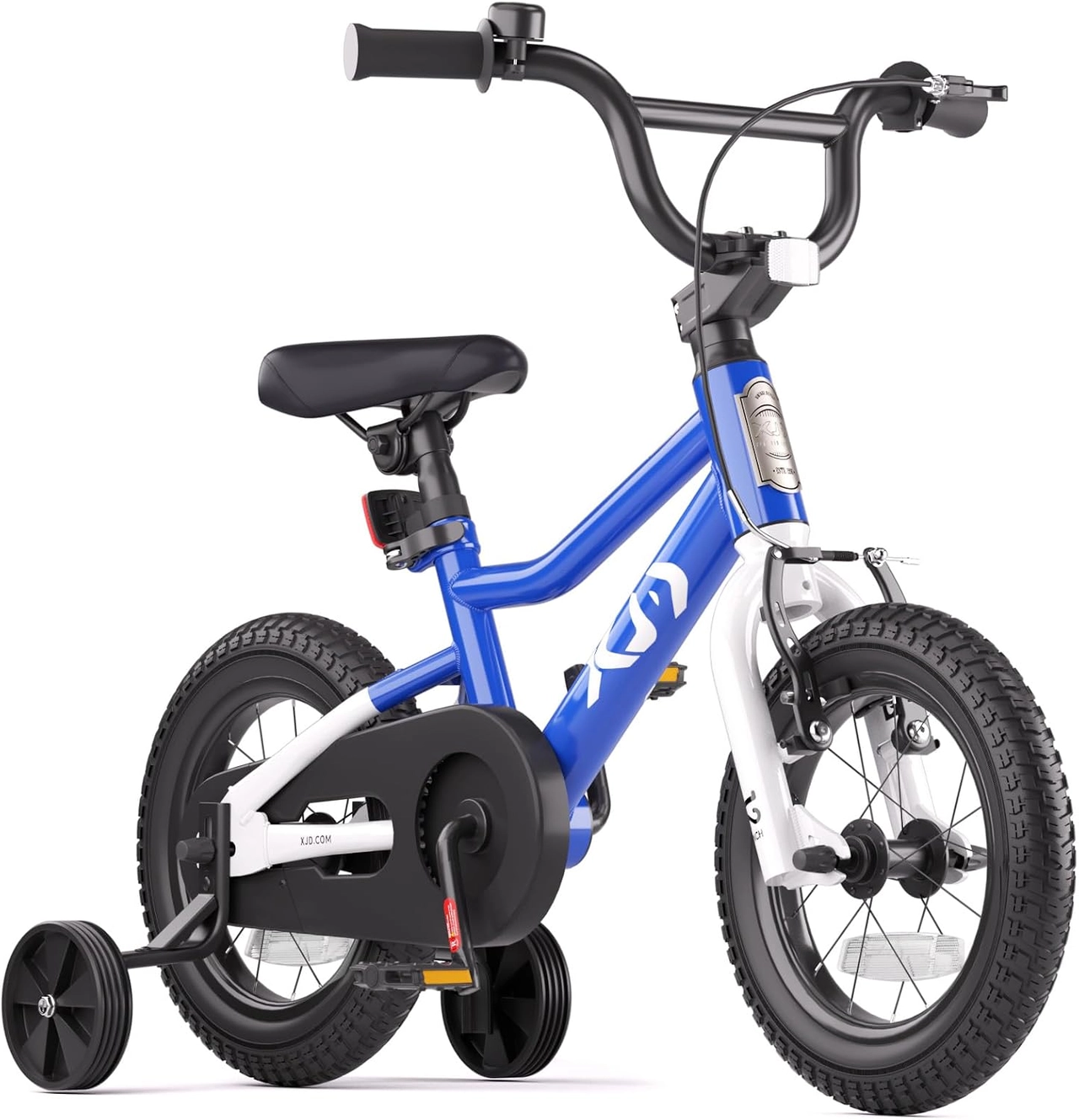
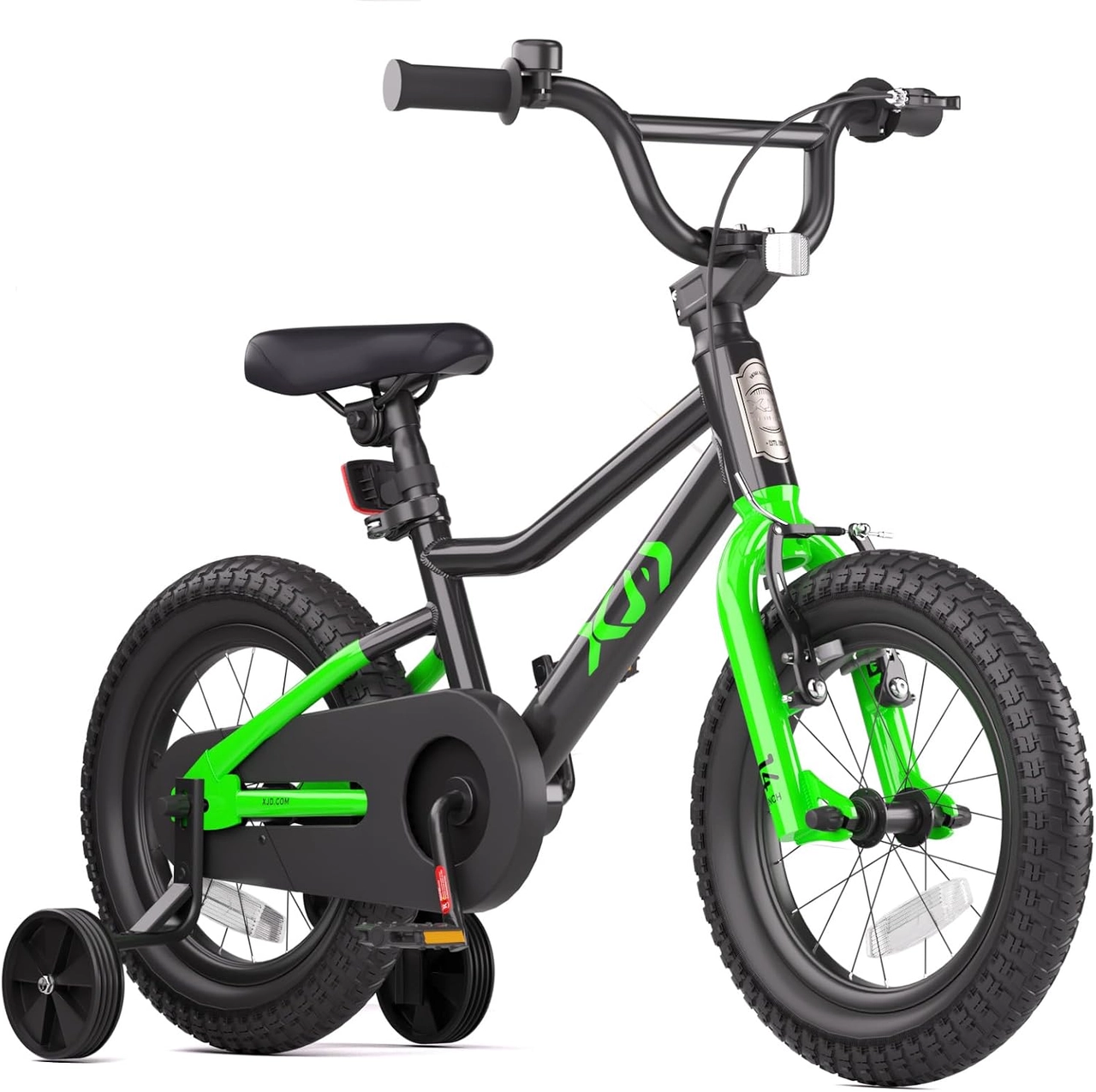
The XJD Blue Kids BMX Bike with Training Wheels and XJD Black Kids BMX Bike with Training Wheels are color variants with small-wheel options that can support early pedal practice when the selected size fits. They do not establish a learning age. The useful product-page details are wheel options, controls and setup requirements; the child supplies the readiness timeline.
Parent checklist
- Follow the child's interest instead of a peer comparison.
- Define one observable skill for each short session.
- Confirm fit and brake reach before judging readiness.
- Use a level route closed to vehicles and direct adult supervision.
- Pause when fear, frustration or fatigue changes control.
Editorial approach
This guide is based on the current XJD Bikes catalog, the fit and component information shown on the linked product pages, and conservative pre-ride practices. It does not replace the instructions supplied with the exact bicycle. Product specifications can change, so families should verify the selected option before use.
Frequently asked questions
What age should a child ride without training wheels?
There is no universal age. Transition when balance, steering, starts and stops are repeatable and the child is willing to try.
Is age six too late to learn to ride?
No. Children and adults learn at many ages. Correct fit, a private practice setting and small goals matter more than the starting birthday.
How long does learning usually take?
It varies from a few focused sessions to much longer. Count controllable skills rather than days and avoid promises of instant independent riding.
Bottom line
when do kids learn to ride a bike is best answered by checking the individual child, the exact bicycle and the real riding area together. Choose present control over a future-growth guess, keep each practice step small and stop whenever fit, braking or equipment condition is uncertain.
Recommended products
-
Save 15%
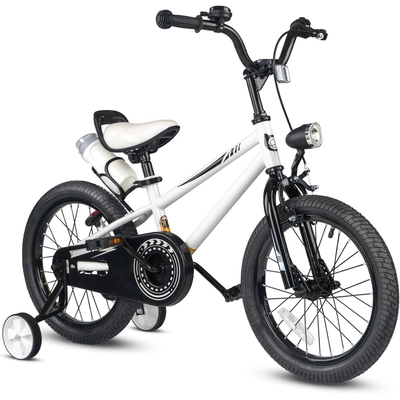
XJD Boys & Grils Bike white
XJD Boys & Grils Bike white brings the recorded fit, riding and configuratio…
Training Wheel Bikes Training Wheels Yes 16 Inch -
Save 15%
XJD Girls Bike with Training Wheels & Basket – Light Pink
XJD Girls Bike with Training Wheels & Basket – Light Pink brings the recorde…
Training Wheel Bikes Training Wheels Yes Geared 14 Inch -
Save 13%
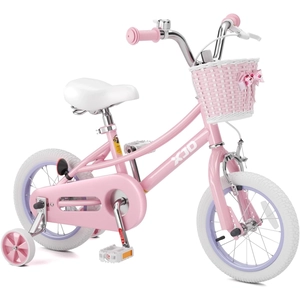
XJD Girls Bike with Training Wheels & Basket – Pink
XJD Girls Bike with Training Wheels & Basket – Pink brings the recorded fit,…
Training Wheel Bikes Training Wheels Yes Single Speed 12 Inch -
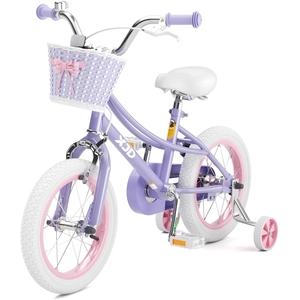
XJD Girls Bike with Training Wheels & Basket – Purple
XJD Girls Bike with Training Wheels & Basket – Purple brings the recorded fi…
Training Wheel Bikes Training Wheels Yes Single Speed 14 Inch