

Benefits of Riding a Bike for Kids: The 16 Inch Pink Bike Advantage
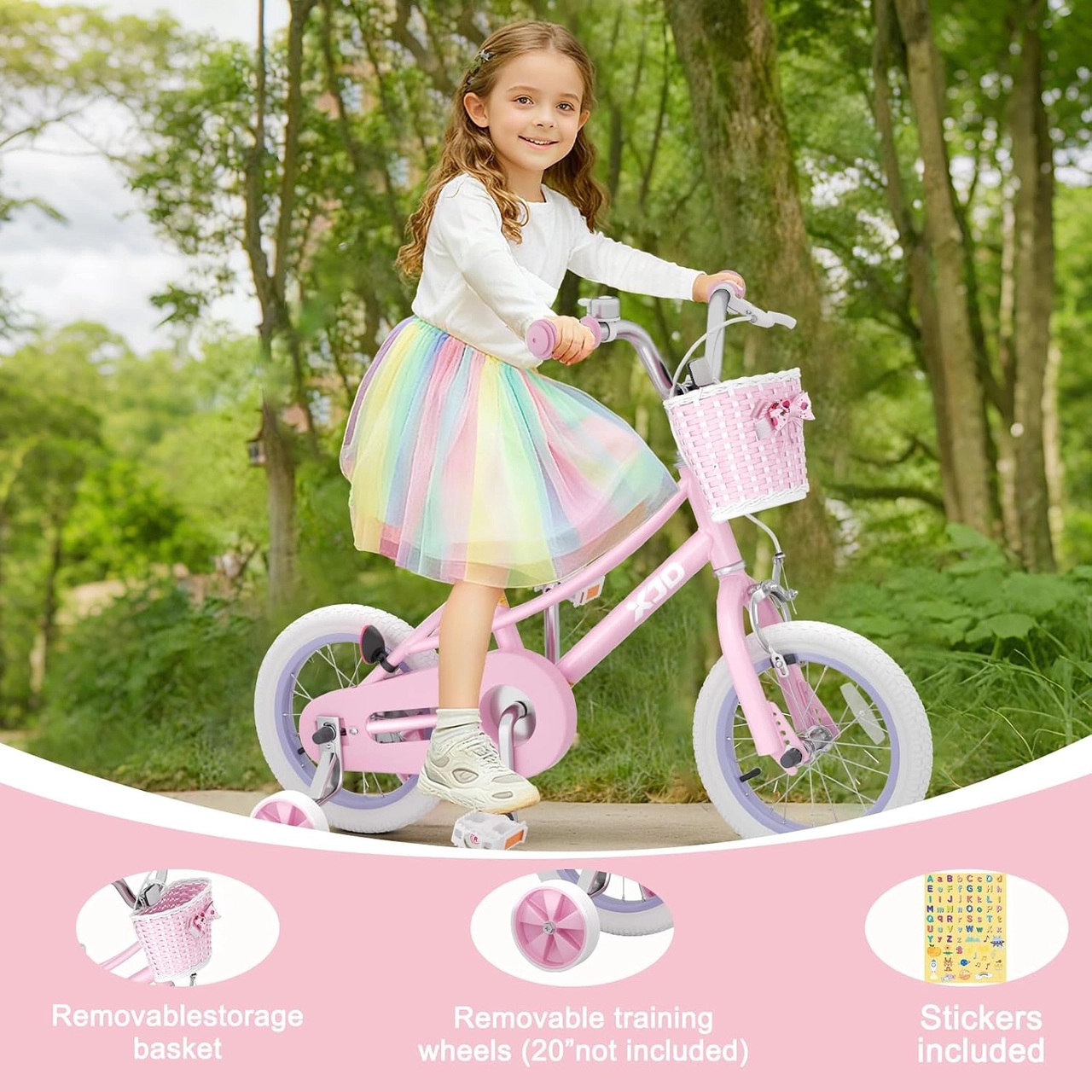
Riding a bike builds a child's body, brain and confidence all at once, and a 16 inch pink bike is the perfect place for those benefits to begin. Watch a four-year-old wobble down the sidewalk — basket bumping, training wheels clicking, grin permanent — and you are watching one of the best development machines in childhood do its work, disguised as pure fun. This guide walks through the real, research-backed benefits of cycling for kids, and why a 16 inch pink bike has become the classic starting point.
If you are still choosing a size, start with our 16 inch kids bikes collection — this article covers what happens after the box is opened.
Physical Benefits That Compound Every Ride
Cycling is one of the rare activities that trains a child's whole body at once. Pedaling builds leg strength and cardiovascular endurance; balancing and steering wake up the core; and the constant micro-corrections of riding develop the vestibular system — the inner-ear balance machinery that later shows up in better posture, smoother movement and even fewer clumsy spills off the bike.
Unlike running, cycling delivers this workout without joint-pounding impact, which is why pediatric exercise research keeps landing on cycling as a top-recommended activity for growing bodies. For a deeper dive into the studies, see our companion piece on cycling health benefits for kids. The short version: kids who ride regularly show stronger hearts, stronger bones and better coordination than kids who don't — and the habit formed on a 16 inch bike tends to stick for life.
Pedaling Builds Brains, Not Just Legs
The brain benefits of riding are less famous than the physical ones, and more impressive. Cycling is a "whole-brain" activity: both hemispheres must coordinate — left leg, right leg, steering, scanning, judging distance — while the child simultaneously navigates space and makes split-second decisions. That is executive function training in its most natural form.
Exercise itself also primes learning. Children arrive at homework after a ride more focused and calmer than after passive play, because moderate cardiovascular activity boosts the attention systems the classroom draws on. Parents of riders notice the pattern quickly: ride first, then read, and the reading goes better.
Confidence: The Training Wheels Come Off
No benefit matters more than this one. A 16 inch bike is where the great confidence arc of childhood cycling plays out: first rides with training wheels bolted on, then the day the wheels come off, the first solo coast, the first "watch me, Mom!" lap around the park. Each milestone belongs entirely to the child. Nobody can pedal for them.
Psychologists call this mastery motivation — the drive that grows from watching your own skill improve. A child who learned to balance at five approaches every later challenge with a little more "I can do hard things" in their spine. And because a bike the child loves makes them want to practice, the pink XJD bike with training wheels and basket — a 16 inch favorite — quietly logs practice sessions that a generic bike never would.
Social and Family Bonds on Two Wheels
Bikes are social glue. Neighborhood riders find each other; siblings of different ages can suddenly cover the same loop; and family rides become the easiest regular ritual in the house — no tickets, no screens, no driving. A Sunday loop around the park on matching or hand-me-down bikes costs nothing and builds the kind of shared memory families keep.
For kids with siblings or neighborhood friends, a 16 inch bike unlocks cooperative play: turn-taking on the path, pretend delivery routes with the basket, races with rules the riders invent themselves. That self-organized play is exactly the social workout screens don't provide.
The Healthiest Screen-Time Swap There Is
Every parent fights the tablet battle. A charged, waiting, beloved bike is the strongest argument on the other side. Riding delivers sunlight (vitamin D, better sleep), fresh air and the kind of tired that leads to deep sleep — not the wired fatigue that follows an hour of videos. Families who make a short ride part of the daily routine report easier bedtimes within weeks, and the habit replaces rather than competes with screen time, because it fills the same boredom gap with something better.
Why 16 Inches Is the Sweet Spot
The benefits above are available at every wheel size, but 16 inches is where they concentrate. The sizing logic:
- Fit window: 16 inch wheels typically fit riders 40 to 48 inches tall, roughly ages 4 to 7 — the exact years when coordination and confidence are most buildable
- The bridge size: 16 inch bikes carry training wheels gracefully and convert to freewheel two-wheelers, so one bike covers the entire learn-to-ride arc
- Manageable weight: light enough for a small rider to control and for a parent to carry home when the ride ends tired
A 16 inch bike is also where a child's first "real bike" opinions form — which brings us to the pink part. The same XJD model family spans sizes; taller riders continue on to our 20 inch bikes when they outgrow 16.
Why Kids Fall in Love with Pink Bikes
Color is not decoration on a kids bike — it is the hook that creates ownership. A pink bike is "my bike" in a way a generic one never quite manages. Three practical reasons parents keep choosing it:
- Pride of ownership. A child who loves how their bike looks parks it carefully, asks to ride it, and takes care of it. That care is a first lesson in responsibility.
- Visibility. A bright pink frame is easy for supervising adults to track across a park or playground — a genuine safety plus during the wobbly years.
- Personality. Letting a child pick the color (within parent-approved options) gives them a real decision with real consequences they understand.
Browse the full range in our 16 inch girls bikes and girls bikes collections, or see every size in the main kids bike lineup.
Keep the Benefits Coming, Safely
The benefits of riding assume the rider stays healthy, so three rules carry the whole program:
- Helmet, every ride. Fitted snugly, replaced after any crash. Our seven bike safety rules for kids cover the rest of the essentials.
- Right fit, checked seasonally. Kids grow; a bike that fit in spring may not by fall. Thirty seconds with our pre-ride checklist catches it.
- Supervised space. Flat, traffic-free areas for the first season. When your rider is ready for more range and responsibility, our 20 inch precautions guide maps the next stage.
How to Start This Weekend
Getting the benefits does not require a program, just a pattern. Pick a flat, open spot. Helmet on, seat checked, training wheels still attached if confidence is new. Ride ten to fifteen minutes — short enough to end happy. Repeat daily or near-daily. Within a month the wobble shrinks, the distance grows, and the developmental dividends start arriving on schedule: stronger legs, calmer evenings, a child who asks to go outside. When the training wheels come off — and they will — be ready with the camera.
The Bottom Line
The benefits of riding a bike for kids are physical, cognitive, emotional and social, all delivered through an activity children beg to repeat. The 16 inch pink bike concentrates those benefits into one package: the right size for the most buildable years, and the right color to make a young rider fall in love with showing up. Start with the fit, enforce the helmet, ride often — and let the pink bike in the driveway do what it does best.
Bikes for your next adventure
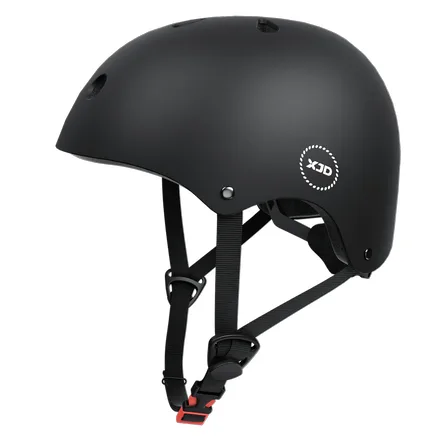
XJD Kids Bike Helmet Protective Gear Set
XJD Kids Bike Helmet Protective Gear Set makes helmet selection clearer: measure…$59.99
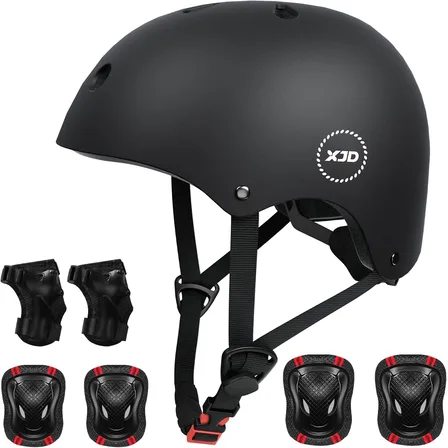
XJD Kids Bike Helmet & Protective Gear Set – Black
10 reviews
XJD Kids Bike Helmet & Protective Gear Set – Black makes helmet selection cl…$23.79
$27.99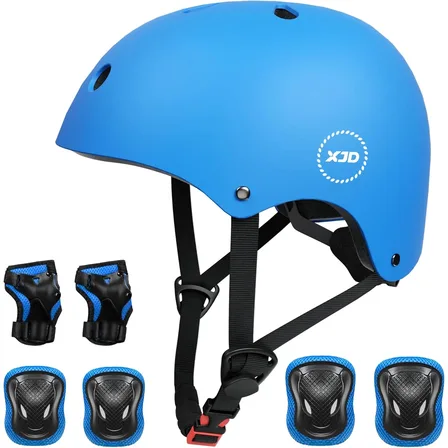
XJD Kids Bike Helmet & Protective Gear Set – Blue
10 reviews
XJD Kids Bike Helmet & Protective Gear Set – Blue makes helmet selection cle…$23.79